DbcultAccessing Vault...
Cult Review
Senior Film Conservator
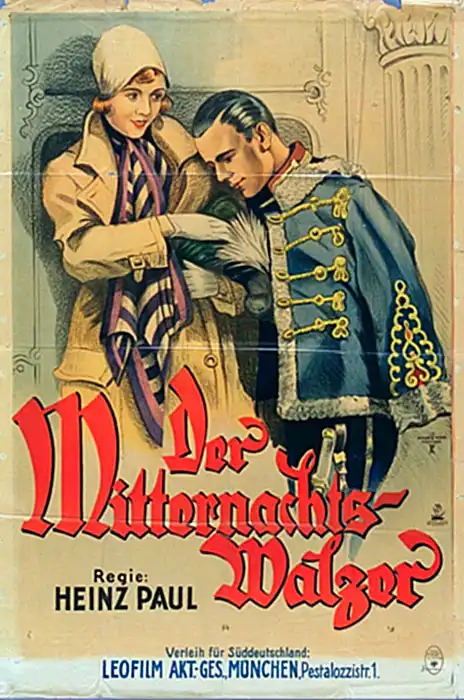
Is 'Der Mitternachtswalzer' still worth your time today? Look, if you’re into grand old silent movies with serious romantic drama and maybe a little high society intrigue, then yeah, give it a shot. But if you need explosions or even just talking, probably skip it. 😅 It’s for folks who enjoy watching actors really *act* with their whole body.
The film, from way back in 1929, centres around Elisabeth Pinajeff’s character, a young woman named Anna. She’s not exactly from the upper crust. She ends up at this huge fancy ball, maybe through a twist of fate, and that’s where she meets André Mattoni’s dashing, if a bit distant, nobleman.
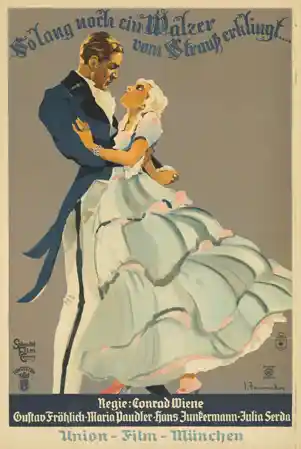
You can almost feel the air shift when they first lock eyes. It’s all very dramatic, the way silent films do. Then, of course, the Midnight Waltz itself starts playing. It’s a pretty central piece to the whole thing, this waltz. 🎶
Anna and the nobleman, Count von Falkenberg, share this dance. And for a few minutes, everything else just fades away. The camera really tries to make you feel that connection, lingering on their faces. It’s quite effective, even without a single word spoken.
But naturally, not everyone is thrilled. Carmen Cartellieri plays this other woman, a socialite type, who clearly has her eyes on the Count. Her glares from across the ballroom are epic. She doesn’t need intertitles to tell you she’s trouble; her whole posture just screams it.
The story unfolds with the usual silent era beats: longing, secret meetings, disapproving family members. There’s a scene where Anna is just staring out a window, and it goes on for a good 30 seconds. You can almost feel her heart aching, or maybe the director just loved that particular shot of the garden. Hard to tell sometimes. 🤔
Paul Biensfeldt, playing the stern patriarch, does a great job with just a raised eyebrow. It’s amazing how much they conveyed with just gestures and facial expressions back then. Modern actors could learn a thing or two.
The pacing, especially in the middle section, gets a bit... muddled. Sometimes the intertitles feel a tad redundant, just repeating what the actors are already doing with their hands. But then you get another glimpse of the Count and Anna together, and it pulls you right back in.
One small detail that stuck with me was the way the extras in the ballroom scenes moved. They’re not just background noise; you can see little dramas playing out amongst them if you look closely. A whispered conversation here, a scandalous fan flutter there. It adds a bit of life to the grand settings.
And speaking of sets, the ballroom itself is pretty opulent. All the sweeping staircases and tall windows make everything feel grander, even the smallest gesture. The light through those windows during the day scenes is really quite something.
Without giving away the ending, the film’s strength really lies in its commitment to the romance. It doesn’t try to be overly complex. It just wants you to feel for these two characters. And for the most part, it works.
It’s not a flawless film, for sure. The melodramatic moments can feel a bit much if you're not used to silent movies. But it has a certain charm, an earnestness that’s hard to ignore.
'Der Mitternachtswalzer' is a solid choice if you're looking for a dose of classic, heartfelt drama from cinema's early days. It’s got heart, even if it sometimes trips over its own dramatic feet.
IMDb —
1936
Community
Log in to comment.