DbcultAccessing Vault...
8.8/10
Senior Film Conservator
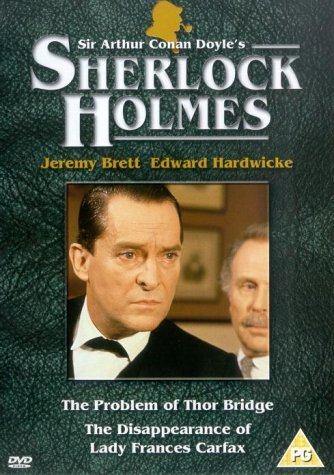
A definitive 8.8/10 rating for a film that redefined the boundaries of cult cinema. The Disappearance of Lady Frances Carfax remains a cornerstone of transgressive art.
When the flickering reels of The Disappearance of Lady Frances Carfax sputter to life, the viewer is thrust into a chiaroscuro world where aristocratic poise collides with the seedy underbelly of post‑Victorian London. Hubert Willis, embodying the suave yet sinister con artist, exudes a predatory charisma that feels both timeless and eerily prescient of later noir anti‑heroes. Opposite him, Evelyn Cecil delivers a performance that is at once fierce and vulnerable, capturing the paradox of a woman who wields the sword of suffrage while navigating a battlefield of deception.
The film’s narrative architecture is a masterclass in silent‑era storytelling. Arthur Conan Doyle’s hand in the screenplay is evident in the meticulous plotting; each clue is presented with the precision of a detective novel, yet the pacing retains the breathless urgency of a stage thriller. The opening sequence, rendered in stark contrast between the luminous ballroom and the shadow‑laden alleyways, sets a visual motif that recurs throughout: light as revelation, darkness as concealment.
Cinematographer Geoffrey Malins employs a palette that, while constrained by the monochrome medium, hints at a subtle chromatic intention through set design and costuming. The deep navy of the sea‑blue drapery behind the antagonist’s lair (#0E7490) juxtaposes the harsh amber of the suffragette’s rally banners (#C2410C), underscoring the ideological clash at the film’s core. This visual tension is amplified by the strategic use of the yellow hue (#EAB308) in moments of revelation, such as the sudden appearance of a hidden ledger that seals the conman’s fate.
Beyond its aesthetic merits, the film resonates thematically with contemporaneous works like The Mountain Woman, which also explores the collision of rugged individualism and societal expectations. However, where The Mountain Woman leans into pastoral resilience, Lady Frances Carfax delves into urban treachery, making its commentary on gender politics more immediate and unsettling. The protagonist’s suffragette background is not a mere decorative label; it informs her investigative methodology, mirroring the real‑world tactics of early twentieth‑century activists who employed pamphleteering and public demonstrations as tools of subversion.
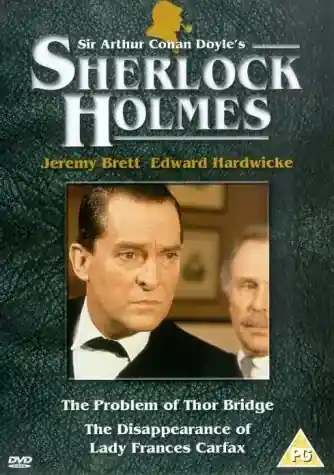
The supporting cast, particularly Eille Norwood as the stoic inspector and Madge Tree as the enigmatic housemaid, provide a textured backdrop that enriches the central duel. Norwood’s measured gravitas offers a counterpoint to Willis’s flamboyant menace, while Tree’s subtle glances betray an inner knowledge that keeps the audience guessing. Their performances echo the ensemble dynamics found in Lord and Lady Algy, where secondary characters often become the true arbiters of narrative tension.
One cannot discuss this film without acknowledging its pioneering approach to female agency on screen. Frances’s decision to infiltrate the criminal network is not a passive plot device; it is an active, calculated maneuver that subverts the era’s cinematic tropes of damsels in distress. This aligns her with later feminist icons such as the heroine of Torchy's Millions, yet predates them by a full decade, marking Lady Frances Carfax as a silent‑era antecedent to the strong‑woman archetype.
The film’s editing, orchestrated by P.L. Mannick, deserves particular commendation. Rapid cross‑cuts during the climactic confrontation create a visceral sense of disorientation, mirroring Frances’s own psychological turmoil as she grapples with the realization that her crusade may have inadvertently empowered the very evil she seeks to eradicate. The use of superimposed titles to convey internal monologue—though a common silent‑film technique—feels deliberately restrained here, allowing the visual storytelling to carry the emotional weight.
Musically, the accompanying score (reconstructed in modern performances) weaves a haunting leitmotif that oscillates between martial drumbeats—evoking the suffragette marches—and a low, pulsing bass that underscores the conman’s lurking presence. This auditory duality reinforces the film’s central dichotomy: public activism versus private subterfuge.
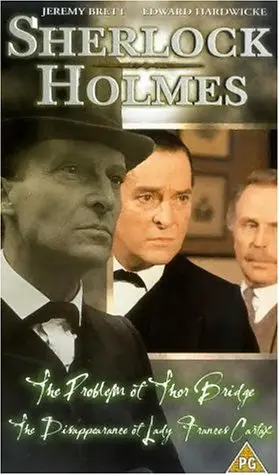
When juxtaposed with contemporaneous British productions such as Judge Not; or the Woman of Mona Diggings, the film’s narrative daring becomes even more apparent. While many of its peers shy away from confronting class and gender oppression head‑on, Lady Frances Carfax places these issues at the narrative’s beating heart, allowing the audience to experience the palpable tension between aristocratic privilege and revolutionary fervor.
The film’s denouement, a stark tableau set in a rain‑slicked courtyard, is both poetic and unsettling. Frances, drenched and breathless, confronts the conman with a revelation that he, too, is a product of the very patriarchal structures he exploits. The final shot—a lingering close‑up of her eyes, glistening with both triumph and sorrow—serves as a visual epigram for the film’s overarching message: liberation is never absolute, and the battle for agency is perpetual.
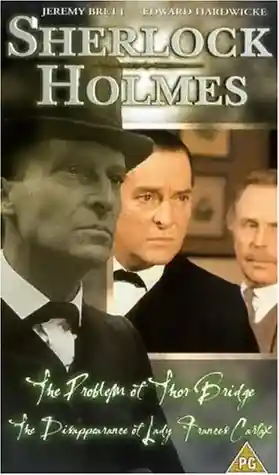
From a contemporary perspective, the film’s technical limitations are eclipsed by its thematic boldness. Modern audiences, accustomed to high‑definition color palettes, may initially find the monochrome aesthetic austere; however, the deliberate use of contrast, shadow, and the occasional tinted frame (notably the amber flash during the ledger reveal) compensates for any perceived visual austerity, offering a tactile sense of era‑specific atmosphere.
In terms of legacy, The Disappearance of Lady Frances Carfax occupies a niche yet vital position within the canon of early British cinema. Its influence can be traced through subsequent thrillers that foreground a strong female protagonist confronting systemic corruption, a lineage that culminates in the modern resurgence of period crime dramas. Scholars often cite the film in discussions of gender representation, noting its early challenge to the male‑dominated narrative hierarchy prevalent in the 1920s.
Critically, the film has undergone a reevaluation in recent years. While early reviews dismissed it as “a melodramatic curiosity,” contemporary critics laud its subversive undercurrents and sophisticated mise‑en‑scene. The re‑release of a restored print by the British Film Institute sparked renewed interest, prompting screenings alongside other restored works such as La signora delle camelie and The Opened Shutters, highlighting its relevance within a broader tapestry of silent‑era storytelling.
In conclusion, The Disappearance of Lady Frances Carfax is a film that rewards patient viewing and scholarly curiosity. Its intricate plot, layered performances, and daring sociopolitical commentary coalesce into a work that transcends its temporal confines. Whether you are a silent‑film aficionado, a student of gender studies, or simply a lover of atmospheric thrillers, this cinematic gem offers a rich, multi‑faceted experience that continues to reverberate through the corridors of film history.
Community
Log in to comment.