DbcultAccessing Vault...
Cult Review
Senior Film Conservator
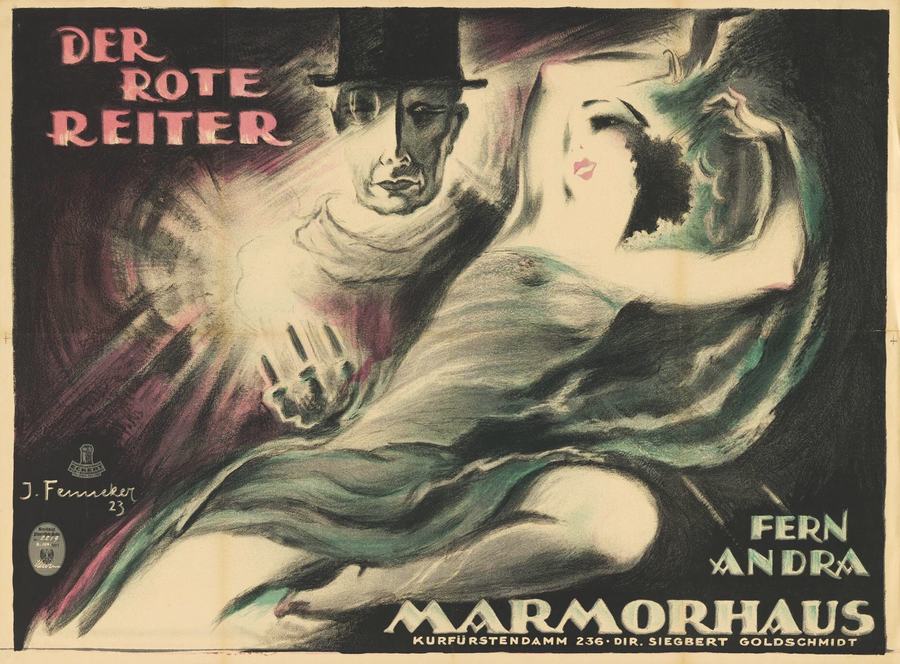
In the annals of silent cinema, where the grand gestures and evocative chiaroscuro spoke volumes without uttering a single word, there exist films that linger in the collective consciousness as more than mere historical artifacts. 'Der rote Reiter' (The Red Rider), a testament to the narrative prowess of Franz Xaver Kappus, stands as one such cinematic enigma, a vibrant, if perhaps underappreciated, gem from an era defined by its visual poetry and profound emotional resonance. This is not merely a film; it is a meticulously crafted tableau vivant, a sweeping canvas upon which themes of oppression, rebellion, and a love that defies societal strictures are painted with bold, expressionistic strokes. From its very title, 'The Red Rider' conjures images of a figure both heroic and foreboding, a harbinger of change whose very presence shifts the dynamics of a world teetering on the brink of revolution. It's a film that demands engagement, inviting viewers to delve into its depths and decipher the silent language of its impassioned characters and striking visuals.
Kappus's narrative, though delivered without spoken dialogue, possesses an undeniable literary quality, unfolding with the deliberate pacing and rich characterizations characteristic of a compelling novel. The core conflict is a timeless one: the struggle of the downtrodden against an entrenched, tyrannical power. Ferdinand von Alten, embodying the ruthless baron, delivers a performance of chilling conviction, his every sneer and imperious gesture underscoring the suffocating weight of his authority. Against this backdrop of despair emerges the titular Red Rider, portrayed with a brooding intensity by Albert Steinrück. Steinrück, a titan of early German cinema, imbues the Rider with a gravitas that transcends the limitations of the medium. His eyes, even in the flickering monochrome, convey a complex tapestry of righteous anger, profound empathy, and an almost weary determination. He is not merely a masked avenger; he is the embodiment of a people's yearning for liberation, a symbol of hope that galvanizes a fragmented community. The film adeptly navigates the delicate balance between grand, heroic acts of rebellion and the intimate, personal sacrifices such a struggle demands, creating a narrative that feels both epic and deeply human.
The love story, often the heart of silent melodramas, here serves as a powerful conduit for exploring the ethical ambiguities of the conflict. Fern Andra, a luminous presence on screen, portrays the baron's daughter with a captivating blend of vulnerability and nascent defiance. Her initial bewilderment at the Rider's actions slowly gives way to a profound admiration, and ultimately, a love that dares to cross the chasm of class and allegiance. Andra's nuanced expressions, her subtle shifts in posture and gaze, communicate the turmoil within her character's soul as she grapples with the betrayal of her lineage and the intoxicating allure of a cause greater than herself. This emotional journey is rendered with a sensitivity that prevents it from descending into mere sentimentality, instead elevating it to a crucial narrative pillar. The chemistry between Steinrück and Andra, though wordless, is palpable, creating a magnetic pull that anchors the more expansive themes of social uprising.
'Der rote Reiter' is a masterclass in visual storytelling, a hallmark of German Expressionist cinema. The film's aesthetic is characterized by its dramatic use of light and shadow, creating stark contrasts that heighten the emotional intensity of each scene. Shadows stretch and distort, reflecting the psychological states of the characters and the oppressive atmosphere of their world. The sets, while perhaps not as overtly stylized as those in The Cabinet of Dr. Caligari, nonetheless possess a deliberate artificiality that emphasizes the film's thematic concerns rather than striving for strict realism. Every composition feels carefully considered, each frame a painting designed to evoke a specific mood or convey a crucial piece of information. The cinematography is not merely functional; it is an active participant in the narrative, guiding the viewer's eye and shaping their emotional response. The use of close-ups, particularly on the faces of Steinrück and Andra, allows for an intimate connection with their inner worlds, while wide shots emphasize the grandeur and scale of the conflict.
The pacing, a critical element in silent films, is handled with exceptional skill. There are moments of breathless action, particularly involving the Rider's daring escapades, interspersed with periods of quiet introspection and mounting tension. This ebb and flow keeps the audience captivated, allowing for both exhilarating spectacle and profound character development. The film’s ability to communicate complex emotional states and intricate plot points without dialogue relies heavily on the actors' physical performances and the expressive power of the visuals. Hand gestures, body language, and facial contortions become a universal language, transcending cultural barriers and speaking directly to the viewer's empathy. One might draw parallels to the visceral storytelling of a film like Scarlet Days, where visual cues are paramount, yet 'Der rote Reiter' carves out its own distinct identity through its unique blend of social commentary and romantic idealism.
Beyond the central figures, the supporting cast of 'Der rote Reiter' contributes significantly to its rich tapestry. Frida Richard, often cast in roles of maternal wisdom or quiet suffering, likely brings a poignant dignity to her character, perhaps an elder figure who bears witness to generations of oppression and offers solace or counsel. Her presence would add a layer of historical memory to the unfolding drama. Carola Toelle, with her expressive features, could portray a sympathetic villager or a loyal confidante, reflecting the common person's struggle and hopes. Even the smaller roles, like those potentially filled by Fritz Schulz or Hans Junkermann, are crucial in building the world of the film, providing moments of levity, menace, or tragic realism. Silent acting was an art form unto itself, demanding an almost operatic level of expressiveness, and this ensemble demonstrates a remarkable command of that craft. Each actor, through their physicality and nuanced facial work, contributes to the film's immersive quality, ensuring that every glance, every gesture, carries significant weight and meaning.
The intensity of Albert Steinrück's performance as the Red Rider is particularly noteworthy. He manages to convey both the physical prowess of a revolutionary and the internal anguish of a man burdened by his mission. There's a profound sense of loneliness in his portrayal, a recognition that the path of a liberator is often solitary. This complex characterization elevates the film beyond a simple adventure tale, imbuing it with a tragic depth that resonates long after the final frame. Similarly, Fern Andra's portrayal of the baron's daughter is a masterclass in silent screen acting. Her transformation from a sheltered noblewoman to a woman awakened to the injustices around her is depicted with delicate precision, making her arc one of the most compelling aspects of the film. Her internal conflict is externalized through subtle yet powerful means, making her choices and sacrifices deeply impactful. Her journey could be seen as a parallel to the moral awakening depicted in films like The Price of Tyranny, where individual conscience confronts systemic evil.
At its heart, 'Der rote Reiter' explores themes that remain eternally relevant. The struggle against oppression, the yearning for justice, the courage to defy tyrannical power – these are not merely historical footnotes but fundamental human experiences. The film's depiction of a community united by a shared grievance and inspired by a symbolic figure speaks to the enduring power of collective action and the resilience of the human spirit. The 'red' in the title can be interpreted in multiple ways: the blood of revolution, the fiery passion of forbidden love, or the dawn of a new, perhaps violent, era. This symbolic richness adds layers of meaning to the narrative, inviting viewers to engage with its ideas on a deeper, more philosophical level. It prompts contemplation on the nature of heroism, the sacrifices demanded by freedom, and the moral complexities inherent in any revolutionary movement. The film's exploration of these weighty subjects places it firmly within a tradition of socially conscious cinema, even in its earliest forms, demonstrating that the medium has always been capable of addressing profound societal questions.
Furthermore, the forbidden romance between the Red Rider and the baron's daughter serves as a powerful metaphor for bridging divides. Their love, born amidst conflict, challenges the rigid social structures and prejudices that fuel the antagonism. It suggests that even in the most polarized environments, human connection and empathy can transcend artificial boundaries. This aspect of the narrative adds a poignant layer of hope and tragedy, as such unions are often doomed in the face of overwhelming societal forces. The film’s ability to weave together these grand political themes with such intimate personal drama is a testament to Kappus's skill as a storyteller and the interpretive power of the silent film medium. It’s a compelling example of how early cinema, far from being simplistic, tackled complex human emotions and societal issues with remarkable sophistication. One might consider how films like As Men Love or Her Husband's Honor similarly delved into the intricacies of human relationships against challenging backdrops, though 'Der rote Reiter' adds a distinct revolutionary fervor to its romantic entanglement.
'Der rote Reiter' is more than just a historical curiosity; it is a vibrant, compelling cinematic experience that continues to speak to contemporary audiences. Its visual artistry, the profound performances of its cast, and its timeless themes of justice, love, and rebellion ensure its enduring relevance. For aficionados of silent cinema, it offers a rich tapestry of German Expressionism at its most accessible and emotionally potent. For those new to the era, it serves as an excellent entry point, demonstrating the power and sophistication of films made before the advent of synchronized sound. The film reminds us that storytelling, at its most fundamental, relies not on dialogue, but on the ability to evoke emotion, convey meaning, and transport the viewer to another world entirely. Its legacy, though perhaps not as widely celebrated as some of its contemporaries, is undoubtedly significant, contributing to the rich tradition of German cinema and offering valuable insights into the social and artistic concerns of its time. It stands as a powerful reminder of the artistry and innovation that defined the silent film era, a period often underestimated for its narrative and visual sophistication. In an age saturated with sound and dialogue, the silent eloquence of 'Der rote Reiter' offers a refreshing and profoundly moving experience, proving that true cinematic magic needs no spoken words to resonate deeply within the human heart. It’s a film that deserves to be seen, studied, and celebrated, ensuring its crimson echo continues to reverberate through the corridors of film history.
IMDb 6.2
1929
Community
Log in to comment.