DbcultAccessing Vault...
Cult Review
Senior Film Conservator
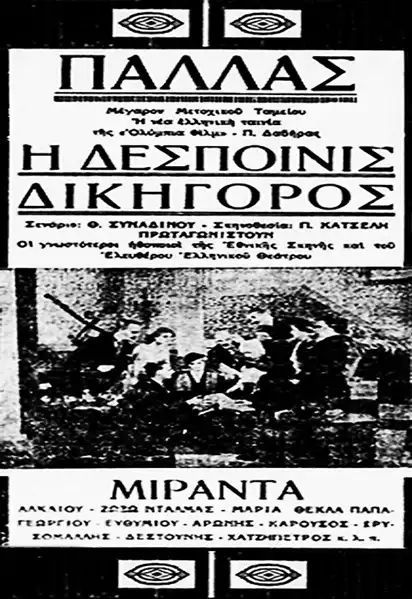
Alright, so we’re talking about Despoinis dikigoros here. If you’re someone who loves digging into old cinema, especially films that show a real shift in societal norms, then yeah, this one’s absolutely worth a look today. It’s not for everyone though. Folks who need fast pacing, big action, or modern production values will probably find it a bit of a slog. But if you’re curious about early Greek filmmaking or the portrayal of independent women from a bygone era, you might actually really connect with it. 🎬
The premise itself is fascinating: a woman lawyer, back when that was like, unheard of. The movie centers on this woman who’s just fully immersed in her work, totally skipping the usual household stuff that was expected. You can almost feel the filmmakers trying to figure out how to even show such a character on screen.
What I kept noticing was how she carries herself. There’s a quiet determination to her, not a loud, dramatic defiance. When she's in court, even the simplest gestures feel loaded with meaning. It's like every move she makes is a subtle statement against the expectations of her time. One particular scene, where she just stands listening, almost too still, really sticks with you. It’s not a big speech, just presence.
The film does a good job, I think, of showing her professional world without making it overly flashy. The courtroom scenes are pretty straightforward, not a lot of grandstanding. You get a sense of the actual grind of legal work, which is pretty cool for such an old movie. It feels less about dramatic twists and more about the quiet dignity of her daily efforts. Sometimes, the camera just holds on her face, and you just know she’s thinking, strategizing.
Her "emotional adventures" are handled in a way that feels quite restrained, for a film of this vintage. You don’t get huge, sweeping melodramas. Instead, it’s all in the nuances. A brief glance, a slight hesitation. It makes you lean in a bit, trying to piece together her inner world. It’s less about big pronouncements and more about what’s left unsaid.
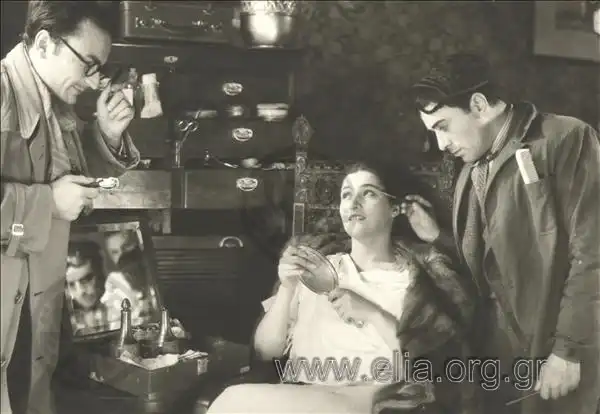
One odd detail I picked up on was the way some of the male characters react to her. Not all of them are outright hostile, some are just... confused. Like they don’t quite know how to categorize this woman who isn’t fitting into their established boxes. It’s a small thing, but it adds a layer of realism to the period. You can practically hear their internal dialogue, trying to make sense of her.
The pacing, as you'd expect from an older film, is quite deliberate. Things unfold slowly. This isn't a film trying to rush you to the next plot point. It wants you to sit with the moments, observe the reactions. Sometimes, a scene lingers a beat too long, and you start to wonder if the projectionist fell asleep. But then it usually comes back around to something interesting. It’s a different rhythm, for sure.
It's not a technically groundbreaking film in the way some other cinema from that era might be. The visuals are pretty standard. But the strength here is really in its subject matter. It’s a movie that asks you to consider something quite radical for its time. You keep thinking about the sheer audacity of this character, even if the film presents it rather humbly.
I found myself thinking about this film long after it ended. It’s not because of some grand, cinematic spectacle. It’s because the central idea, this woman lawyer choosing her path, still feels pretty relevant. It makes you wonder about all the other "despoinis dikigoros" types who were out there, doing their thing, even if they didn’t get a movie made about them. It's a quiet testament, really. ⚖️

IMDb 5.9
1932
Community
Log in to comment.