DbcultAccessing Vault...
Cult Review
Senior Film Conservator
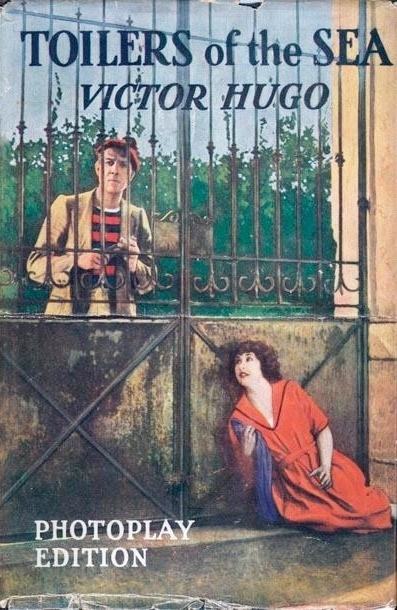
The cinematic landscape of Toilers of the Sea is a poignant tapestry, woven from the intricate threads of love, betrayal, and redemption. Set against the breathtaking backdrop of a Sicilian fishing hamlet, the film masterfully transports viewers to a world of unrelenting passion and beauty. As the story unfolds, the lines between good and evil become increasingly blurred, inviting the audience to immerse themselves in the complex web of relationships and motivations that drive the characters.
At the heart of the narrative lies the enigmatic figure of Captain André, played with remarkable depth by Horace Tesseron. His character's arrival in the hamlet sets off a chain reaction, as he skillfully manipulates the trust of Captain Jean and the villagers, exploiting their innocence and naivety. The consequences of his actions are devastating, leaving a trail of destruction and heartbreak in his wake.
In stark contrast to the duplicitous Captain André, the character of Sandro, Hélène's devoted sweetheart, embodies the very essence of loyalty and devotion. His unwavering commitment to Hélène and her family serves as a beacon of hope, illuminating the darkest moments of the film. The yellow hues of the Sicilian sun seem to fade into the background as Sandro's pursuit of Captain André becomes an all-consuming force, driven by his unrelenting passion for justice and retribution.
The cinematography of Toilers of the Sea is a sea blue dreamscape, with the camera capturing the majestic beauty of the Mediterranean landscape. The film's use of lighting is equally impressive, as the dark orange tones of the setting sun seem to bleed into the very fabric of the narrative, casting a sense of foreboding and tension over the characters. The eruption of Mount Etna serves as a powerful metaphor, symbolizing the turbulent emotions and conflicting desires that threaten to consume the characters.
In comparison to other films, such as The Man in the Iron Mask and J'accuse!, Toilers of the Sea stands out for its unique blend of drama, romance, and adventure. The film's themes of love, betrayal, and redemption are timeless, echoing the works of Victor Hugo, who penned the original novel. The Little Fox and Bride of Vengeance may share similar elements of drama and romance, but Toilers of the Sea remains distinct in its captivating narrative and stunning cinematography.
The performances of the cast are equally impressive, with Lucy Fox delivering a captivating portrayal of Hélène, whose innocence and vulnerability serve as a counterpoint to the duplicity of Captain André. The chemistry between Fox and her co-star is palpable, adding depth and complexity to the narrative. In contrast, the characters in Big Game and An Affair of Three Nations seem somewhat one-dimensional, lacking the nuance and complexity that defines the cast of Toilers of the Sea.
As the story reaches its climax, the audience is left on the edge of their seats, invested in the fate of the characters and the outcome of the pursuit. The sea blue waters seem to stretch out before them, a reminder of the infinite possibilities and uncertainties that lie ahead. In the end, Toilers of the Sea emerges as a cinematic masterpiece, a testament to the power of love, redemption, and the human spirit. The film's themes and motifs are timeless, inviting viewers to reflect on their own experiences and emotions, and to ponder the complexities of the human condition.
In the realm of cinematic history, Toilers of the Sea occupies a unique position, one that is both a product of its time and a work of timeless beauty. The film's use of dark orange and yellow hues serves as a visual reminder of the passing of time, while the sea blue waters remain a constant, a symbol of the enduring power of human emotion. As the credits roll, the audience is left to ponder the film's themes and motifs, to reflect on the complexities of the human experience, and to appreciate the beauty and majesty of the cinematic landscape.
The world of Toilers of the Sea is a complex and multifaceted one, full of contradictions and paradoxes. The film's characters are flawed and human, driven by their passions and desires, and yet, they are also capable of great beauty and great ugliness. The Saints and Sorrows that populate the film's narrative serve as a reminder of the human condition, a testament to the enduring power of love, redemption, and the human spirit. In the end, Toilers of the Sea emerges as a film that is both a product of its time and a work of timeless beauty, a cinematic masterpiece that continues to captivate and inspire audiences to this day.
As the curtain falls on Toilers of the Sea, the audience is left to ponder the film's themes and motifs, to reflect on the complexities of the human experience, and to appreciate the beauty and majesty of the cinematic landscape. The sea blue waters seem to stretch out before them, a reminder of the infinite possibilities and uncertainties that lie ahead. The film's use of dark orange and yellow hues serves as a visual reminder of the passing of time, while the characters and their stories remain a constant, a testament to the enduring power of human emotion. In the world of Toilers of the Sea, love, redemption, and the human spirit reign supreme, a reminder that even in the darkest of times, there is always hope, always a chance for forgiveness, and always a chance for redemption.
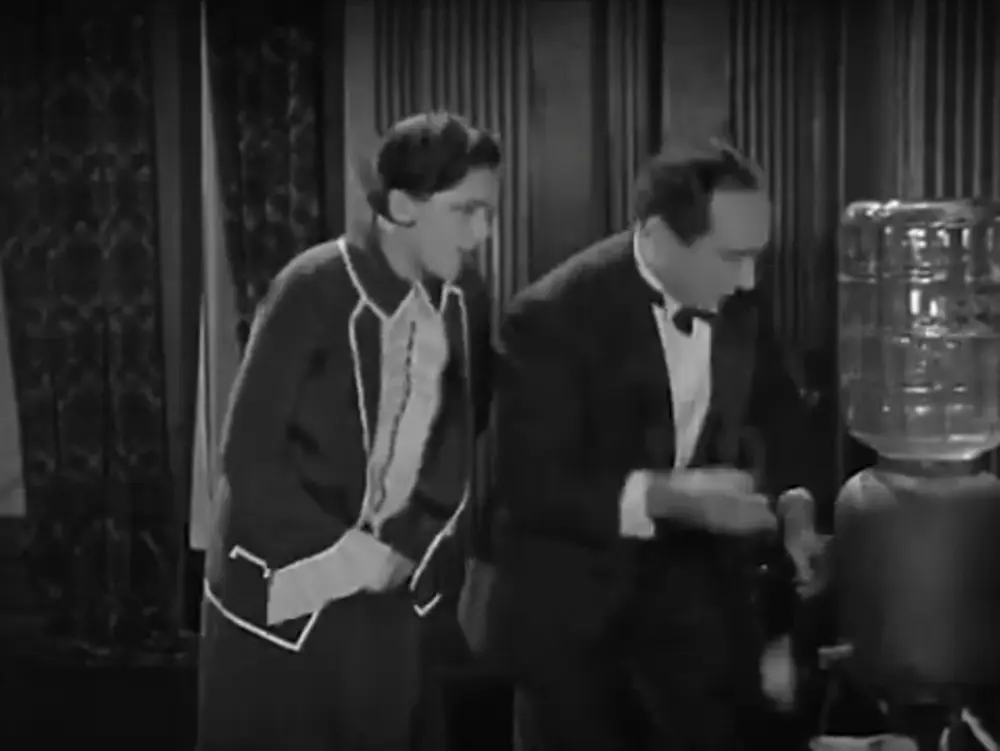
IMDb 4.9
1927
Community
Log in to comment.