DbcultAccessing Vault...
Cult Review
Senior Film Conservator
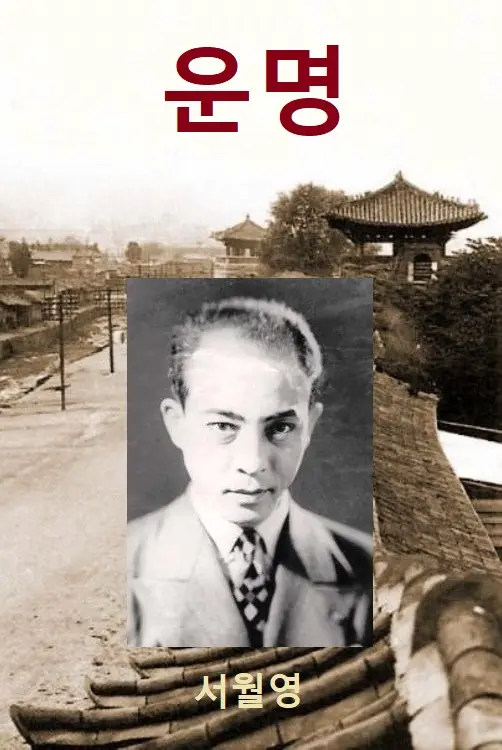
Is Destiny (1927) still worth watching today? Short answer: absolutely, but with specific, era-conscious caveats. This silent Korean drama is a poignant, if somewhat melodramatic, window into the societal pressures of its time, making it essential viewing for cinephiles interested in global film history and the evolution of social commentary through cinema.
It is unequivocally for those who appreciate the artistry of the silent era, enjoy historical context, and are willing to engage with a slower pace and heightened emotionality. Conversely, it is emphatically NOT for viewers seeking fast-paced narratives, modern dialogue, or those who find the conventions of early cinema challenging to connect with.
This film works because: Its thematic bravery in critiquing deeply ingrained social norms, its commitment to emotional storytelling through visual performance, and its undeniable historical significance as an early voice in Korean cinema.
This film fails because: Its pacing can feel sluggish by contemporary standards, some of its melodramatic flourishes might strike modern audiences as excessive, and its limited accessibility often means viewing less-than-pristine prints.
You should watch it if: You are a student of silent film, deeply interested in the origins of Korean cinema, or someone who values powerful, character-driven social commentary, even when delivered without a single spoken word.
Destiny, directed by San Hae and Baeknam Yun, is far more than a simple period drama; it’s a searing indictment of a social system that routinely crushed individual spirit. The film's core strength lies in its ability to translate the abstract pain of societal expectation into tangible, human suffering. The central conflict, the tragic impact of traditional marriage on young people, isn't just a plot device; it's the very heartbeat of the narrative, pulsating with the silent anguish of its protagonists.
We witness the young lovers, presumably portrayed by Wol-yeong Seo and Wolseong Jang, caught in a web of obligations. Their longing glances, fleeting touches, and moments of shared despair are rendered with an intensity that transcends the lack of spoken dialogue. The film masterfully uses visual cues – a bowed head, a clenched fist, a tear tracing a path down a cheek – to convey volumes about their internal struggles against an unyielding world.
The tragedy here is not one of external villainy, but of an oppressive system. The elders, perhaps embodied by Jeong-suk Kim and Haemi Jo, are not necessarily evil, but rather custodians of a tradition that demands sacrifice. This nuanced portrayal elevates the film beyond simple melodrama, positioning it as a profound commentary on the invisible chains that bind individuals within rigid social structures. It’s a bold statement for 1927, daring to question the very fabric of society.
<
IMDb 5.4
1934
Community
Log in to comment.