DbcultAccessing Vault...
Cult Review
Senior Film Conservator
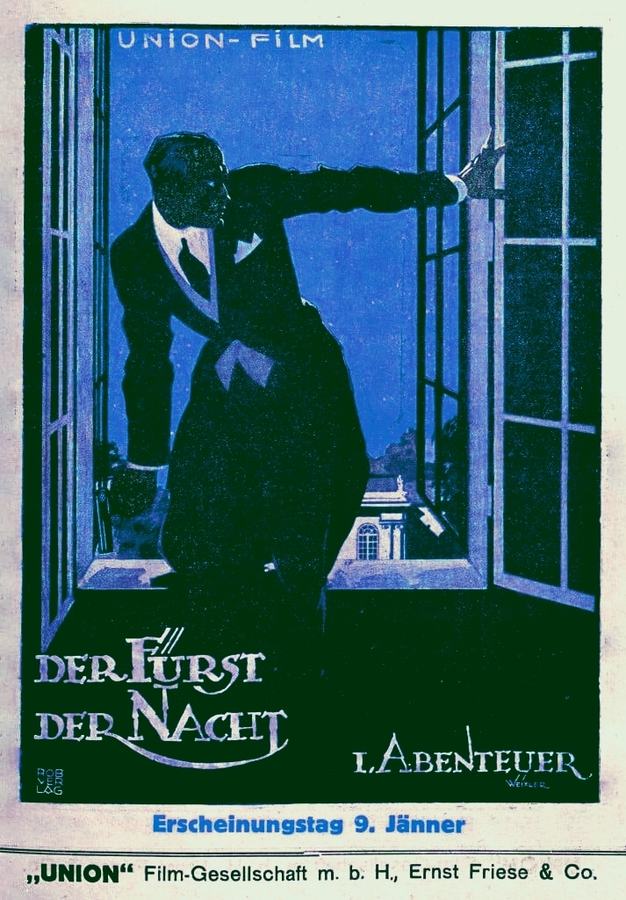
Der Fürst is a cinematic tour-de-force that delves into the very fabric of power and its corrosive influence on the human psyche. With Hans Albers delivering a performance that is at once captivating and unsettling, the film raises fundamental questions about the nature of leadership and the true cost of ambition. As the narrative unfolds, the audience is drawn into a world of intrigue and deception, where the pursuit of power is the sole currency that matters.
The film's writer, Margarethe Schmahl, demonstrates a profound understanding of the human condition, crafting characters that are multidimensional and flawed, yet strangely compelling. The character of the Fürst, in particular, is a masterclass in complexity, embodying both the charisma and the ruthlessness that define great leaders. As the story progresses, the audience is forced to confront the darker aspects of human nature, and the terrible choices that must be made in the pursuit of power.
Visually, the film is a stunning work of art, with a palette of muted tones that perfectly capture the mood of foreboding and unease that permeates the narrative. The cinematography is equally impressive, with a series of beautifully composed shots that add depth and texture to the film's already complex landscape. From the grand, sweeping vistas of the countryside to the cramped, claustrophobic interiors of the palace, every frame is a testament to the skill and craftsmanship of the filmmakers.
In comparison to other films of the era, such as Whose Baby Are You? and Tillie Wakes Up, Der Fürst stands out for its unflinching portrayal of the human condition. While these films may have relied on more conventional narrative structures and character archetypes, Der Fürst is unafraid to push the boundaries of what is acceptable, to challenge its audience and force them to confront the darker aspects of their own nature. This is a film that will linger in the memory long after the credits have rolled, a testament to the enduring power of cinema to provoke and disturb.
One of the most striking aspects of Der Fürst is its use of symbolism and metaphor to convey the themes of power and corruption. The character of the Fürst, for example, is often depicted surrounded by symbols of his wealth and status, from the opulent furnishings of his palace to the lavish feasts that he hosts for his loyal followers. And yet, despite the trappings of power, the Fürst is a deeply isolated figure, haunted by the ghosts of his own making. This sense of disconnection and loneliness is a powerful commentary on the corrupting influence of power, and the terrible cost that must be paid by those who seek to wield it.
In terms of its historical context, Der Fürst is a film that is deeply rooted in the tumultuous era in which it was made. The rise of fascist and nationalist movements across Europe, the aftermath of the Great War, and the growing sense of disillusionment and discontent among the general population – all of these factors are woven into the fabric of the film, adding depth and complexity to the narrative. This is a film that is unafraid to confront the big questions of its time, to challenge the status quo and to provoke its audience into thinking critically about the world around them.
The supporting cast of Der Fürst is equally impressive, with Ria Jende delivering a standout performance as the Fürst's loyal and long-suffering companion. Her character is a powerful foil to the Fürst, highlighting the human cost of his actions and the terrible consequences that must be faced by those who are caught up in his web of deceit and corruption. The chemistry between the two leads is palpable, adding a sense of tension and urgency to the narrative that is impossible to ignore.
As the film draws to a close, the audience is left to ponder the true nature of power and the terrible choices that must be made by those who seek to wield it. Is the Fürst a hero or a villain, a great leader or a monstrous tyrant? The answer, much like the film itself, is complex and multifaceted, refusing to be reduced to simple categories or easy definitions. This is a film that will haunt the memory long after the credits have rolled, a testament to the enduring power of cinema to provoke, disturb, and challenge our assumptions about the world around us.
In comparison to other films that explore similar themes, such as Ruler of the Road and The Secret Code, Der Fürst stands out for its unflinching portrayal of the human condition. While these films may have relied on more conventional narrative structures and character archetypes, Der Fürst is unafraid to push the boundaries of what is acceptable, to challenge its audience and force them to confront the darker aspects of their own nature. This is a film that will linger in the memory long after the credits have rolled, a testament to the enduring power of cinema to provoke and disturb.
Ultimately, Der Fürst is a film that is not to be missed. With its complex characters, nuanced narrative, and unflinching portrayal of the human condition, it is a cinematic masterpiece that will continue to haunt and disturb audiences for generations to come. So if you're looking for a film that will challenge your assumptions, provoke your thoughts, and linger in your memory long after the credits have rolled, then Der Fürst is the perfect choice. With its stunning visuals, powerful performances, and nuanced narrative, this is a film that is sure to leave a lasting impression on all who see it.
IMDb 4.6
1919
Community
Log in to comment.