DbcultAccessing Vault...
Cult Review
Senior Film Conservator
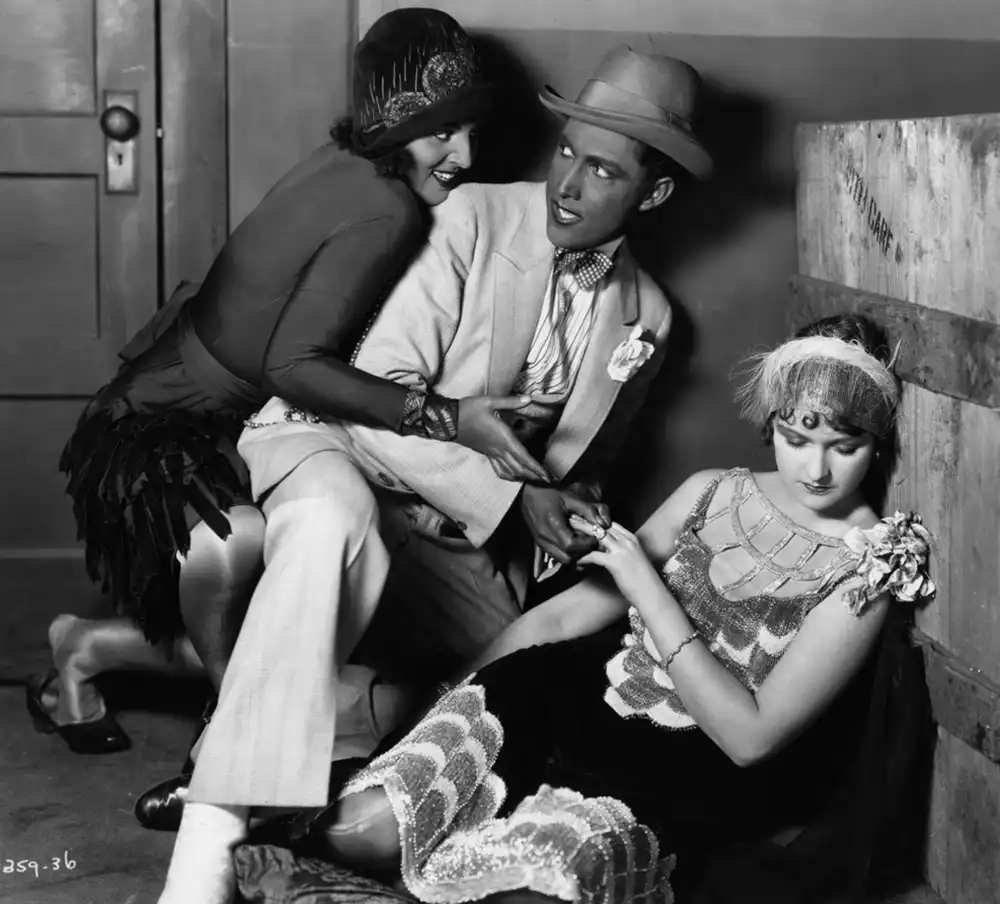
If you’re looking for a breezy Saturday night watch with lots of snappy dialogue, then Diamond Handcuffs is probably not your jam. But if you have a soft spot for the wild ride of 1928 cinema, all its grand gestures and the journey of a cursed gem, then yeah, settle in. This one’s for the folks who love seeing how these early thrillers got made, and how they built suspense without a single spoken word.
Right away, we’re dumped into a South African diamond mine, where the opening is pretty stark. A worker finds this massive diamond, gets caught, and then sentenced to death for stealing it. Charles Stevens, as that miner, really sells the desperation in his eyes, even in those quick, silent shots.
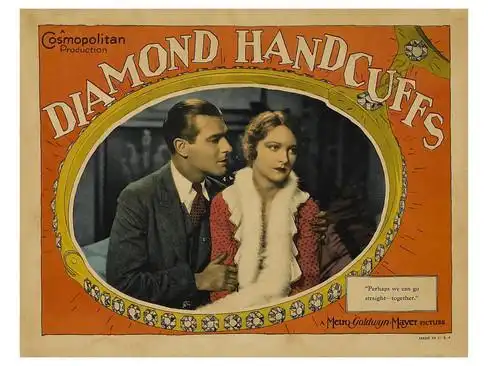
Before, you know, his end, he passes this rock – the “Shah” diamond – to a local girl named Musa. It’s a pivotal moment, this transfer of fate, but the film doesn't linger. Just a quick, intense hand-off, and you know this gem is going to cause trouble.
Then, poof! We’re in New York City. The shift is so sudden, like the film just decided, “Okay, that’s done, onto the good stuff.” You almost wonder how Musa even got there, but the movie just breezes past that detail.
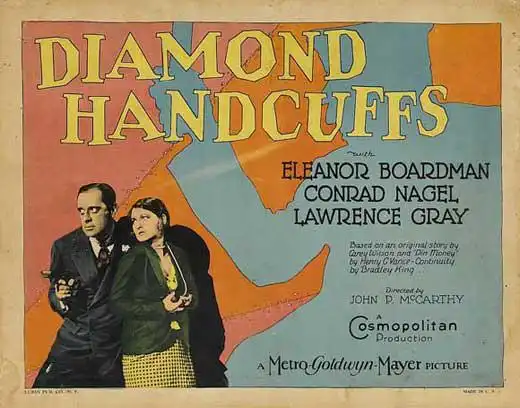
Now the diamond is tangled up with high society. Eleanor Boardman plays this wealthy matron, and she’s got that classic silent film elegance, you know, lots of dramatic hand movements. Her husband, played by Conrad Nagel, is just seething with jealousy pretty much the whole time. It's not exactly subtle, his whole demeanor screams 'I suspect everything'.
And speaking of screams, the villains are just delightfully menacing. You’ve got a gang of vicious jewel thieves and a brutal gangster who runs a nightclub. There’s a scene where the gangster, I think it’s John Roche, just gives this incredibly prolonged smirk. It goes on so long it starts to feel a bit funny, actually, almost like he forgot to stop.
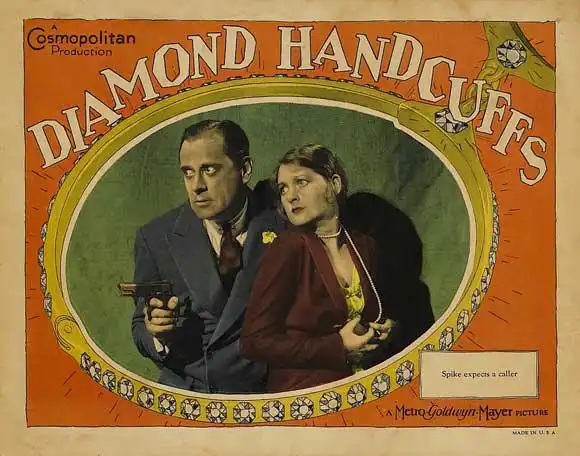
The film’s pacing is an interesting beast. It whips through some major plot points really fast. Then it slows down for these drawn-out reactions, sometimes an actor just staring intensely for what feels like ages. It keeps you a little off balance, in a good way.
The crowd scenes sometimes feel a bit sparse, like they were maybe short on extras that day. But then you get these really tight, focused shots on the diamond itself, glittering. It almost becomes its own character, this thing everyone’s obsessing over.
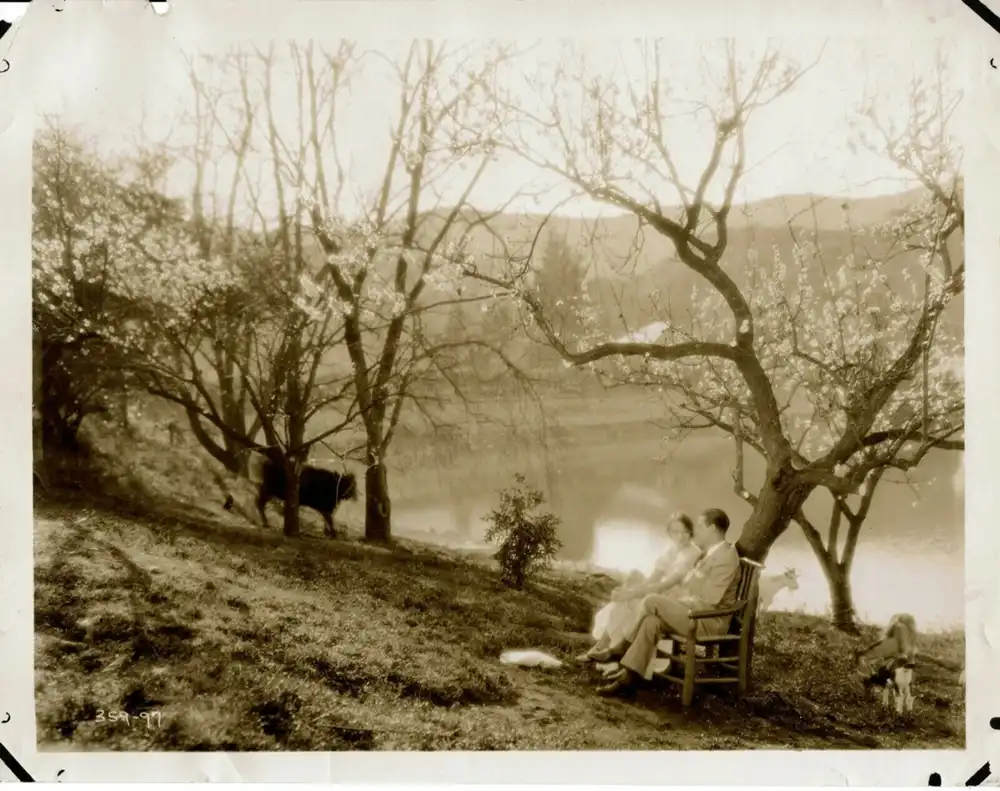
One small thing I noticed: the way the characters interact with their props, especially the men with their cigarettes. There’s a lot of very deliberate tapping and puffing, like every gesture had to convey something without words. It adds a certain period charm.
Gwen Lee, in a smaller role as another socialite, gives this killer glare at one point. It’s pure silent film villainess, all in the eyes and the slight turn of the head. So good.
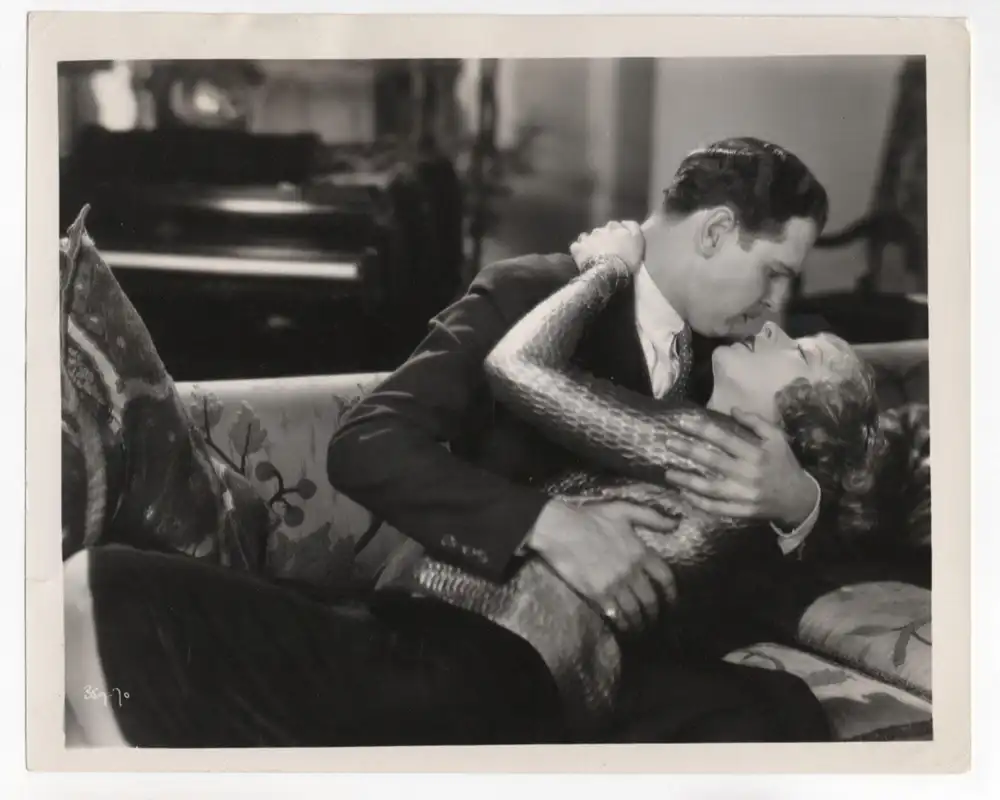
The plot gets pretty messy as all these different groups converge on the diamond. It builds to a climax that involves a lot of running around and dramatic confrontations. It’s exactly what you’d expect from a silent thriller of this era. Not exactly reinventing the wheel, but it delivers the goods.
Anyway, Diamond Handcuffs is a solid, if slightly creaky, example of early crime dramas. It’s less about a deep dive into character and more about the relentless chase. You can definitely see the groundwork for a lot of later Hollywood thrillers here, which is pretty neat.
It’s not going to blow your mind, but for a glimpse into how they spun these yarns back in the day, it’s worth a watch. Just be ready for some serious silent film theatrics and a diamond that really gets around. 💎
IMDb 6.4
1934
Community
Log in to comment.