DbcultAccessing Vault...
Cult Review
Senior Film Conservator
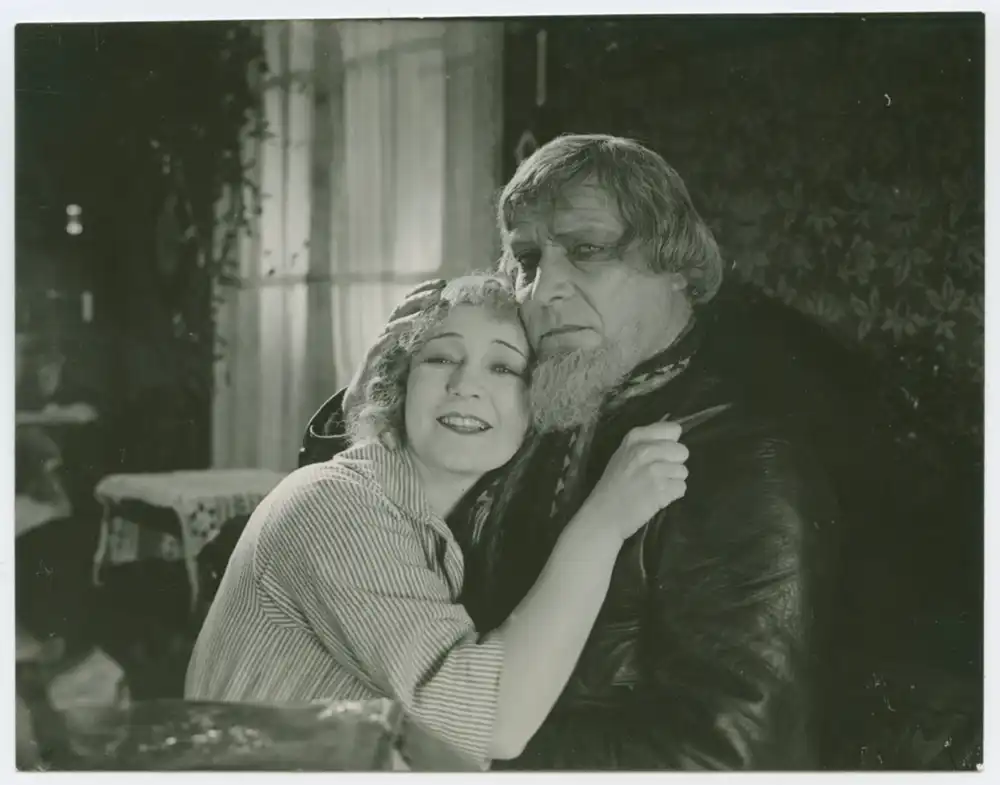
If you’re the type of person who likes to sit by a window and watch the tide come in while wearing a particularly scratchy wool sweater, Stormens barn will probably hit the right notes. It’s a 1928 Swedish silent that feels exactly like its title—heavy, damp, and perpetually on the verge of a gale. If you need your movies to move at a clip, stay far away. This one takes its time, and then it takes a little more.
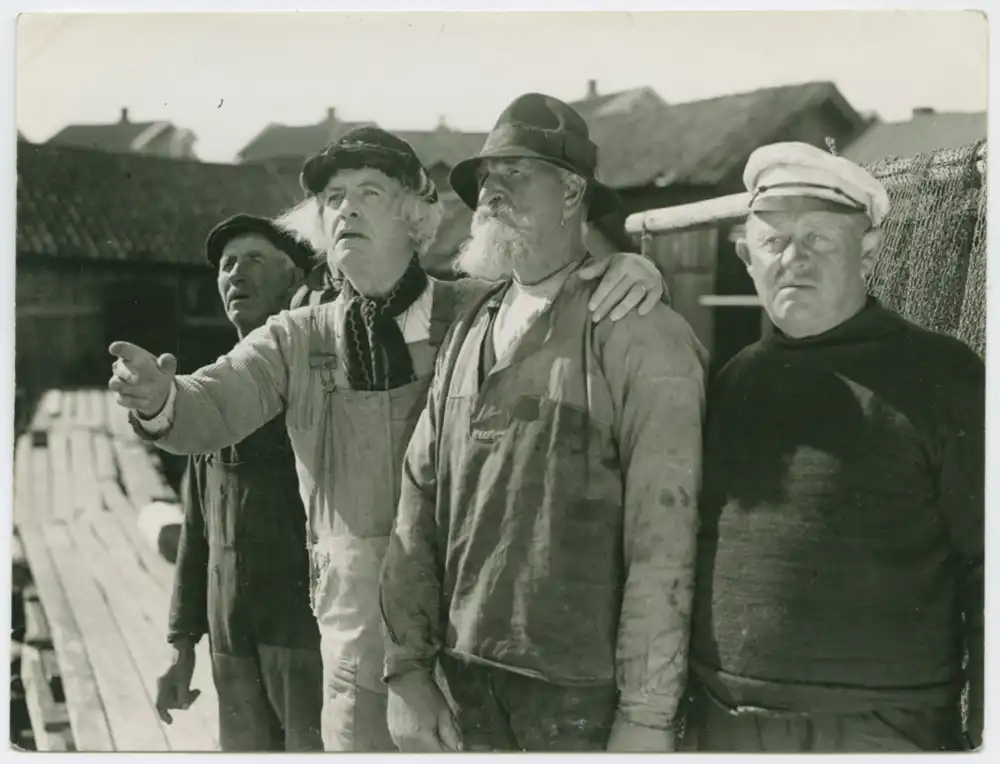
The first thing you notice isn't the plot, but the wind. In almost every outdoor shot, the actors are fighting their own hair. Lizzie Nyström has this way of standing against the horizon where she looks genuinely cold, not just 'movie cold.' There’s a specific shot early on where she’s looking out at the water, and the wind catches her shawl in a way that looks totally unplanned but perfect. It’s those small, unchoreographed moments that keep the movie from feeling like a museum piece.
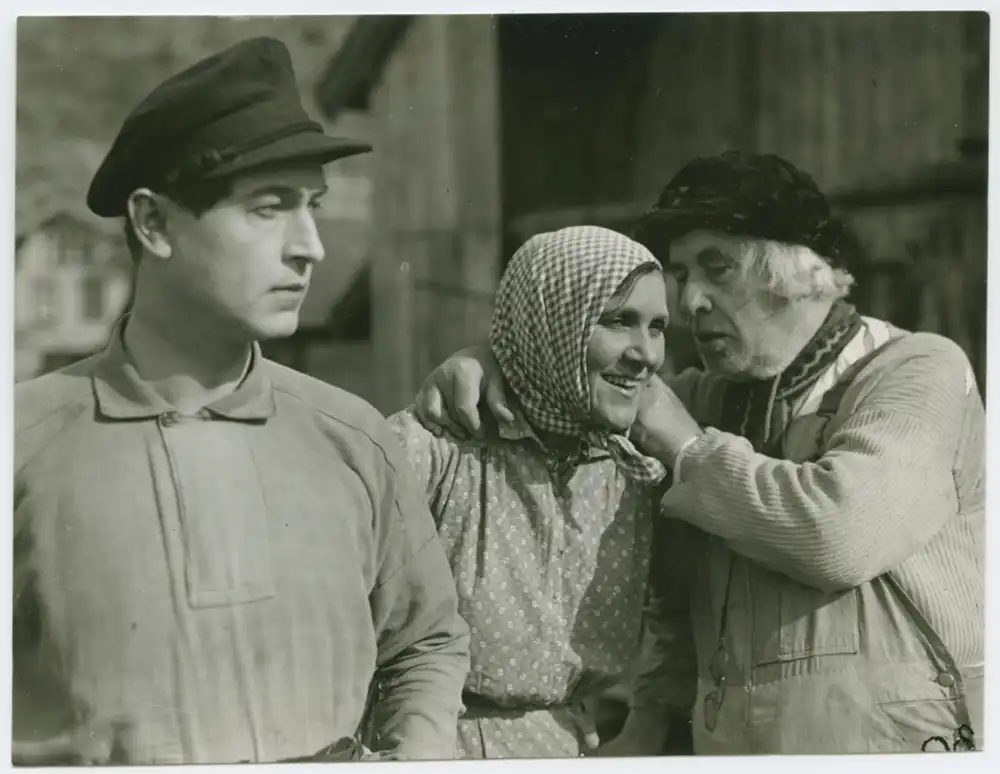
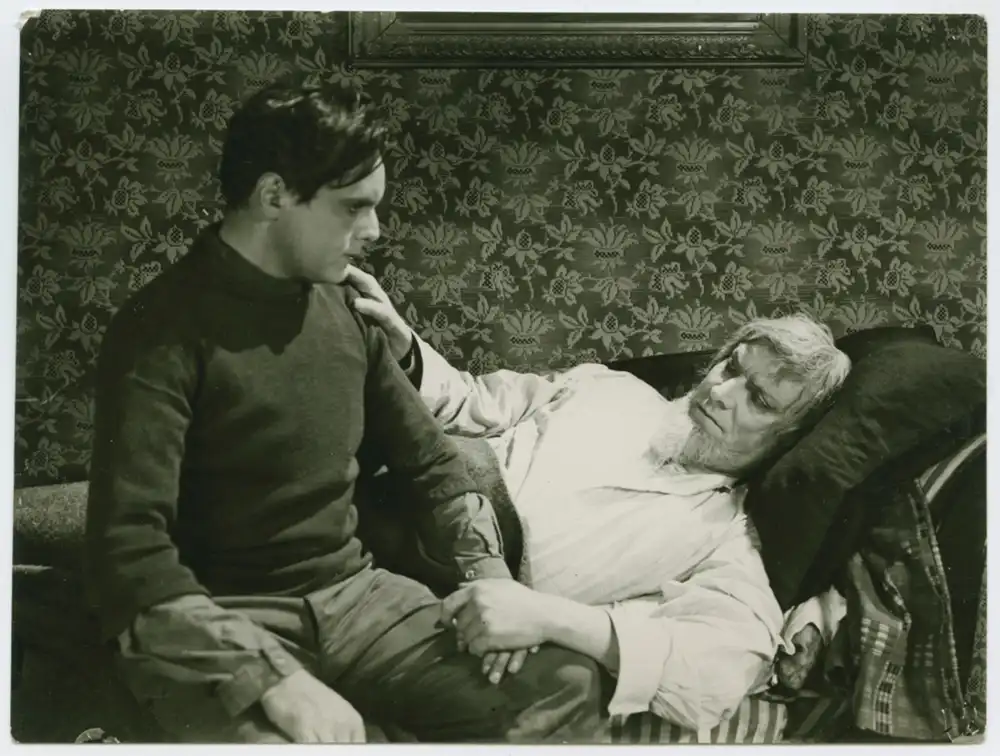
The acting is... uneven. Torsten Bergström has this very stiff, upright posture that makes him look like he’s swallowed a yardstick. In the interior scenes, especially when he’s supposed to be showing 'inner turmoil,' he mostly just stares at the floorboards like he’s trying to remember where he left his keys. It’s a bit much. On the other hand, Jessie Wessel has a face built for silent cinema—she can do more with a squint than Bergström does with his entire body.
There is a scene in a kitchen about halfway through that drags on for what feels like twenty minutes. They’re just moving plates and looking at each other. You can almost feel the director, John W. Brunius, trying to build tension, but it mostly just makes you want to check your watch. It’s not quite as tight as something like Sealed Lips, which managed that kind of domestic claustrophobia a bit better.
The editing gets weird in the final third. There’s a sequence during a storm—naturally—where the cuts between the crashing waves and the faces of the villagers happen so fast it’s almost disorienting. Not in a 'modern action movie' way, but in a 'did they lose a few frames of film?' way. One second a character is by the door, the next they’re halfway across the room. It breaks the spell a little.
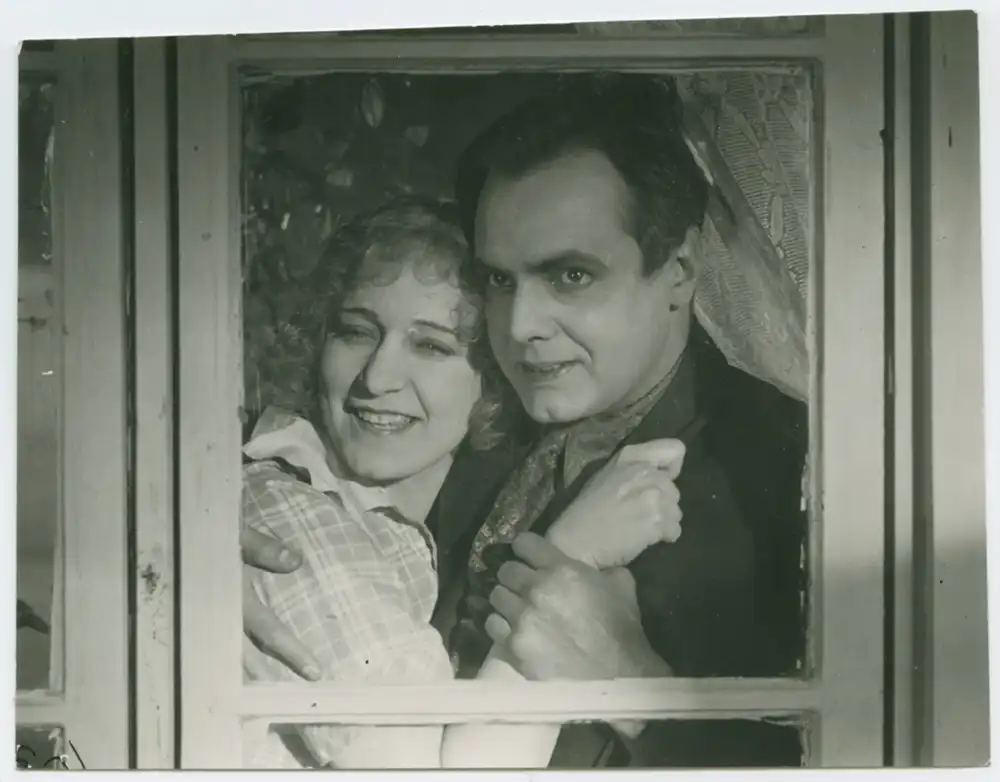
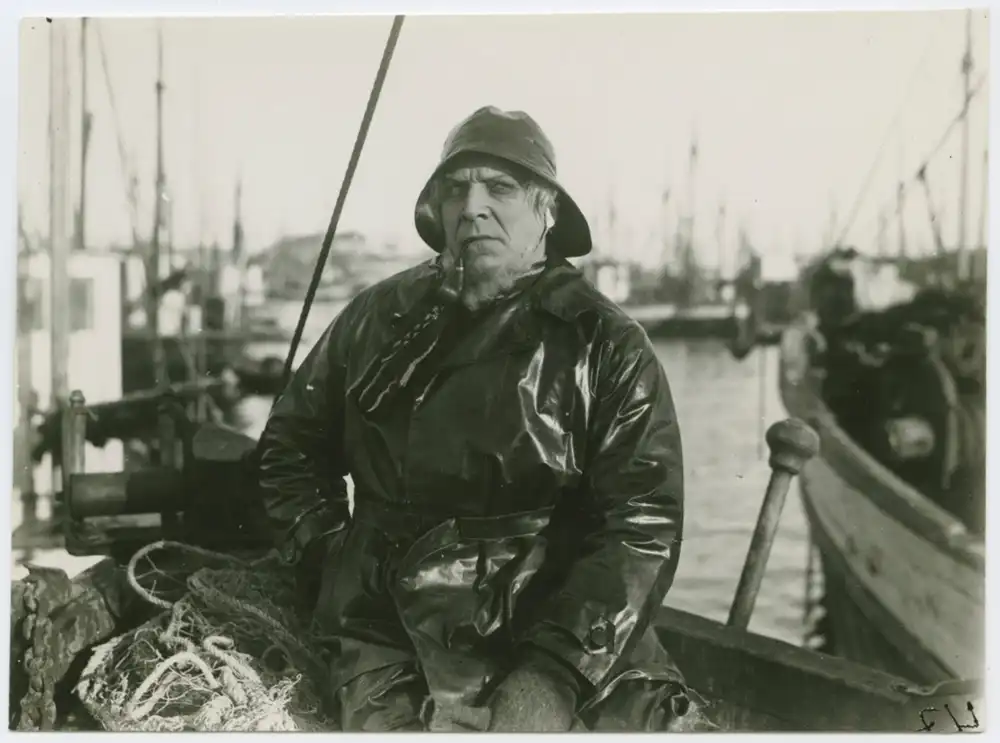
I found myself distracted by the costumes. Everyone is layered in these heavy, dark fabrics that look like they’d weigh fifty pounds once they got wet. There’s a scene where Wictor Hagman is trudging up a hill and you can see the literal effort it takes just to move in those clothes. It adds a layer of physical reality that you don’t always get in the more polished Hollywood productions of the same era, like Stage Struck.
Is it a masterpiece? No. The 'secret identity' plot point is visible from a mile away, and the resolution feels like they realized they were running out of daylight and needed to wrap everything up in five minutes. But there’s a shot of the coastline near the end—just the grey water hitting the rocks under a flat sky—that stayed with me. It’s a lonely-feeling movie. Sometimes that’s exactly what you want on a Tuesday night.
The chemistry between the leads is mostly non-existent, which actually works in the film's favor. These aren't people who seem like they should be together; they’re people who are stuck together because the island is small and the winters are long. That lack of heat makes the ending feel more honest, even if the script is trying to force a more traditional emotional payoff.
If you’ve been digging through late-20s European cinema, this is a solid enough entry, but don't expect the kinetic energy of something like The Wild Woman. This is a movie that prefers to sit in the corner and brood.

IMDb —
1923
Community
Log in to comment.