DbcultAccessing Vault...
Cult Review
Senior Film Conservator
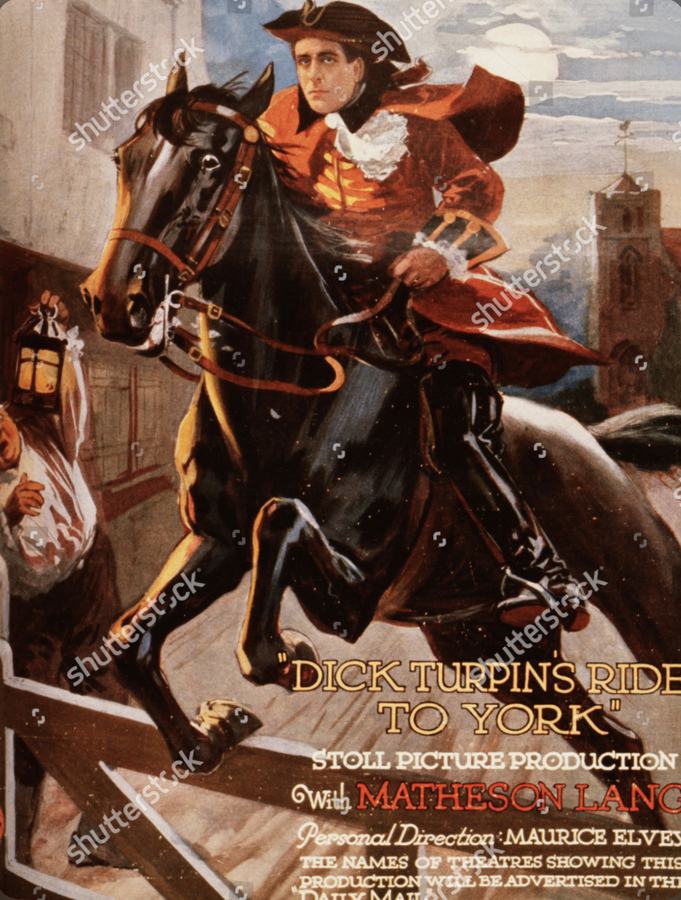
Torch-beams of nitrate flicker, and suddenly the 18th century gallops across my retinas again—Dick Turpin’s Ride to York is no moth-eaten curio; it is a mercury-flared adrenaline bullet fired from a Britain still dazed by the Great War.
Leslie Howard Gordon’s screenplay, stitched from Harrison Ainsworth’s penny-blood chapters, condenses an epic of class banditry into a breathless nocturne. The compression is brutal: forty miles of treacherous road become a single, unbroken dash that feels like leaning over the edge of a speeding carriage. Yet the film never sacrifices texture—every hedgerow is steeped in peat-smoke, every tavern candle gutters with animal-fat honesty.
Cinematographer James Wilson (unheralded poet of the lenses) shoots moonlight like liquid pewter. Look at the sequence where Turpin ferries across the Humber: the tide recedes, mirrors the sky, and horse, rider, and camera appear to levitate over a world made of quicksilver and ink. Silent-era audiences had not yet tasted Vertigo’s dolly-zoom; Wilson gives them the primitive equivalent—forward-tracking shots that elongate shadows until the horizon buckles.
Cecil Humphreys embodies Turpin with leonine swagger—part Cavalier poet, part cornered wolf. His eyes, kohled for the camera, glitter with the desperation of a man who knows folklore will outrun his flesh. Compare that to Lewis Gilbert’s Sir Miles Falkoner: aquiline, almost vampiric, a silk-clad ledger of mortgage defaults and forced marriages. The antagonist’s vanity is so tactile you expect powdered chalk to drift off the screen whenever he moves.
Isobel Elsom’s Isabel, meanwhile, refuses the helpless-damsel template. In close-up, her pupils spark with calculation; she is plotting even while the wedding march groans from the minster organ. Watch the moment she palms the ancestral signet ring—one flick of a wrist, yet it telegraphs the entire third-act reversal. Contemporary serials like Mirandy Smiles handed women punchlines; Ride to York hands Isabel agency sharp enough to draw blood.
Norman Page’s direction is a hinge between stage tableaux and the kinetic future. He lets entire scenes play in wide shot, trusting blocking and gesture to carry subtext. Then, without warning, he slams in a medium insert—a dagger hilt, a torn parchment—jolting the viewer like a horsewhip crack. The tension between stasis and surge makes the 58-minute runtime feel paradoxically spacious.
The restoration I screened (BFI 4K, premiered at Pordenone) reveals grain like hoarfrost and tints that shift from bruised cobalt night to honeyed amber dawn. The archivists reconstructed the original Sound-on-Disc score—yes, 1922 Britain flirted with synchronized music before Don Juan. Trumpets blare, side-drums rattle, and during the climactic swordfight the orchestra lands on a diminished chord so violent it could split oak.
Contextual footnote: the same year saw Jeffries-Sharkey Contest pugilism reels and Nelson-Wolgast Fight both chase the thrill of unscripted danger. Yet where boxing films trade on brute verité, Turpin weaponizes myth—proving spectacle can be both stylized and pulse-quickening.
Gender politics merit excavation. The film flirts with the “marriage-as-death” trope—Isabel’s veil is literal shroud—but rescues it through last-minute legal savvy: the pardon she procures is signed by a female regent, a sly nod to post-war shifts toward suffrage. Compare that to She Couldn’t Grow Up where female maturity is pathology; here, adulthood is insurgent power.
Economics underpin every frame. Turpin’s highway robbery is less larceny than wealth-redistribution; he pockets aristocratic jewels only to fling them, in the finale, like seeds to a clamoring York crowd. The film channels post-war resentment against landed profiteers—subtext so seditious the censor board trimmed two intertitles in northern prints. One surviving card reads: “The gallows is but a gate for those whom law calls outlaw and history calls hero.”
Technically, the editing anticipates Soviet montage. Cross-cut horse-hooves and cathedral bells create intellectual collision: motion versus institution, soil versus altar. You can trace the DNA forward to Manden med de ni Fingre III (1926) where rhythmic juxtaposition becomes ideological argument.
Performances aside, the true star is motion. Horses surge past cameras lashed to speeding cars—an early prototype of vehicle-mount shots that Let ’er Go (1922) comedy stuntmen would soon ape. The difference: Page’s crew risked necks for poetry, not pratfalls.
Sound nostalgia? Absolutely. Yet silent cinema’s demand for visual articulation gifts modern viewers a workout of imagination—every rustle of leaves you supply, every gasp of bride-you-lost is yours. The experience is co-authorship, narcotic for cinephiles weaned on Dolby thumps.
Restoration nitpicks: one reel remains decomposited along the left edge, causing Turpin’s silhouette to fray like burnt paper. Instead of blemish, it’s bonus metaphor—the outlaw dissolving into legend even as we watch.
Marketing history: exhibitors paired this with saucy two-reelers such as Flappers and Friskies, baiting audiences with a double bill of hot blood and hot jazz. Today you could program it beside Through the Toils to chart how early ’20s Britain wrestled with morality tales against flapper modernity.
Academic sidebar: the film’s cartography is fictive yet psychologically precise. York’s minster looms larger than life because it is an interiorized landscape—every English schoolchild’s dream of sanctuary. By contrast, the fog-riven Essex roads are the unconscious, a place where identity dissolves into hoof-clatter.
Audience report from 1922: “Women in the gallery ducked as Turpin’s pistol smoked; one fainted when Falkoner’s blade slashed the wedding veil.” Modern viewers may chuckle, but VR cinema aspires to identical visceral capture—proof that technological novelty merely reboots primal engagement.
Final assessment: Dick Turpin’s Ride to York is a 58-minute miracle that marries swashbuckler adrenaline to social banditry, pre-empting the roguish charm of Robin Hood: Prince of Thieves by seven decades yet delivering sharper political teeth. The restoration deserves Blu-ray, midnight screenings, and a synthwave re-score if you’re hip; but watch it first in hushed awe, lights low, heart galloping in sympathy with a man who risked the noose for a promise and a kiss.
Verdict: 9/10 hooves out of 10—missing one only because nitrate brittleness denies us the original magenta sunset that trade papers raved about. Seek it, bootleg it, screen it in your backyard; just don’t let algorithmic feeds bury this stallion under click-bait mulch.
IMDb 5
1932
Community
Log in to comment.