DbcultAccessing Vault...
Cult Review
Senior Film Conservator
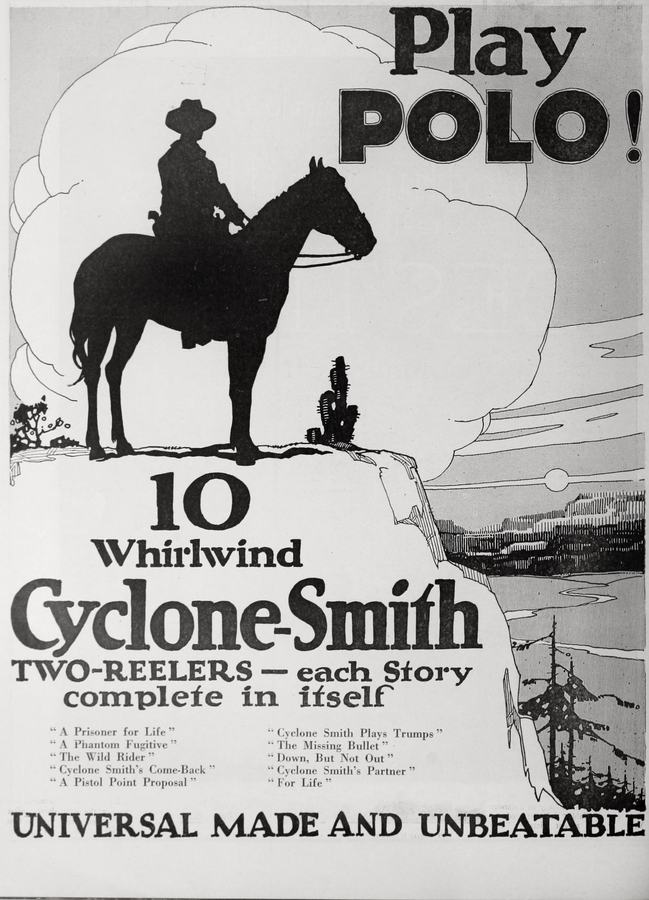
The Kinetic Renaissance of 1919
To behold For Life in its contemporary context is to witness a pivotal inflection point in the evolution of the American action aesthetic. While the industry was still grappling with the transition from nickelodeon novelties to sophisticated feature-length narratives, Jacques Jaccard and George Hively were busy refining a language of movement that would eventually define the blockbuster. Unlike the more domestic preoccupations found in Little Women or the whimsical charm of A Midnight Romance, this production prioritizes a raw, unvarnished physicality that feels startlingly modern even a century later.
The film serves as a quintessential vehicle for Eddie Polo, an actor whose background in the circus and vaudeville granted him a spatial awareness that few of his peers could emulate. In 'For Life,' Polo isn't merely performing stunts; he is inhabiting a space where the threat of gravity and the reality of physical impact are omnipresent. This isn't the choreographed ballet of modern CGI; it is a precarious dance with genuine danger, a trait shared with other high-octane efforts of the period like Cyclone Smith Plays Trumps.
The Jaccard-Hively Synergy
One cannot overstate the importance of the collaborative alchemy between director Jacques Jaccard and writer George Hively. Hively’s script avoids the meandering sentimentality that plagued many 1919 dramas, such as Sunshine Nan. Instead, the narrative structure of 'For Life' is lean, almost skeletal, allowing Jaccard to flesh out the emotional beats through visual dynamism rather than excessive intertitles.
Jaccard’s framing often utilizes the deep focus of the era to place the characters within a hostile environment, suggesting a Darwinian struggle for existence. This approach creates a sense of verisimilitude that contrasts sharply with the more theatrical, studio-bound feel of The Model. The camera in 'For Life' is a participant in the chaos, capturing the frantic energy of Polo’s escapes and the quiet, simmering tension of the film's more dramatic interludes.
Peggy O'Day: More Than a Muse
While Eddie Polo is the undisputed engine of the film, Peggy O'Day provides its soul. In an age where female roles were often bifurcated between the saintly martyr and the vampish temptress, O'Day carves out a middle ground of pragmatic survivalism. Her chemistry with Polo is built on a foundation of mutual competence rather than mere romantic convenience. Comparing her role here to the depictions in Restless Souls reveals a much more grounded and proactive feminine presence.
O'Day possesses a singular ability to convey complex internal monologues through subtle shifts in posture and gaze. When the narrative stakes reach their zenith, she isn't waiting to be rescued; she is an active participant in the resolution of the conflict. This progressive characterization elevates 'For Life' above the standard action fare of the late teens, aligning it more closely with the thematic depth found in international works like Les travailleurs de la mer.
Visual Language and Technical Prowess
The cinematography in 'For Life' utilizes the natural light of its outdoor locations with a sophistication that rivals the best work of the period. There is a texture to the film—a graininess that enhances the ruggedness of the setting. The use of shadows during the interior sequences evokes a proto-noir atmosphere, a stylistic choice that would later become a staple of the genre but was still in its infancy here.
When compared to the relatively flat lighting of Sudden Jim, Jaccard’s work feels multidimensional. The editing, too, is notably brisk. The rhythmic cutting during the climax creates a sense of mounting dread and excitement that was rarely achieved in 1919. It lacks the operatic scale of Die Heimkehr des Odysseus, but it makes up for it with a gritty, localized intensity that is far more impactful.
Thematic Resonance and Moral Ambiguity
At its heart, 'For Life' is a story about the permanence of choice. The title itself suggests a sentence, a commitment that cannot be revoked. This thematic weight differentiates it from the lighter, more ephemeral plots of films like Johanna Enlists. Hively explores the idea that our past actions create a gravitational pull from which there is no escape.
The antagonist is not a mustache-twirling caricature but a figure whose motivations are rooted in a twisted sense of entitlement—a far cry from the more black-and-white villainy found in The Half Million Bribe. This nuance forces the audience to engage with the moral dilemmas on screen rather than simply rooting for the hero. The conflict feels personal and earned, much like the gritty realism of Deuce Duncan.
Historical Context: 1919 as a Cinematic Crucible
The year 1919 was a fascinating time for global cinema. While India was producing mythic epics like Bilwa Mangal and Narasinha Avtar, Hollywood was perfecting the art of the character-driven action piece. 'For Life' stands as a testament to this maturation. It possesses a rugged individualism that is uniquely American, yet its focus on the cyclical nature of violence and redemption gives it a universal appeal.
The film also reflects the shifting social tides of the post-WWI era. There is an underlying cynicism, a sense that the old world's rules no longer apply, and that one must forge their own path through sheer force of will. This is a sentiment echoed in Their Compact, but 'For Life' delivers this message with a much more visceral punch. It is a film that refuses to offer easy answers, choosing instead to revel in the struggle itself.
Final Verdict: A Silent Pillar of Action
In the final analysis, 'For Life' is much more than a historical curiosity. It is a masterclass in silent storytelling that utilizes every tool in the cinematic shed to create an experience that is both physically exhilarating and emotionally resonant. Eddie Polo’s performance remains a high-water mark for the genre, a display of athletic prowess and charismatic screen presence that transcends the limitations of the silent medium.
Jacques Jaccard’s direction is a reminder that even in the infancy of film, there were auteurs who understood the power of the image to convey complex human truths. While it may not have the literary pedigree of some of its contemporaries, 'For Life' possesses a raw, unadulterated energy that is infectious. It is a vital piece of the cinematic puzzle, a bridge to the future of action cinema, and a compelling drama in its own right. For those seeking to understand the roots of the modern thriller, 'For Life' is essential viewing—a kinetic, bruising, and ultimately triumphant exploration of what it means to be bound by honor and freed by courage.
A searing achievement in early physical cinema, 'For Life' remains a testament to the enduring power of the human spirit captured on silver nitrate. It is a film that lives up to its name: enduring, relentless, and undeniably vital.
IMDb 6.3
1934
Community
Log in to comment.