DbcultAccessing Vault...
5.9/10
Senior Film Conservator
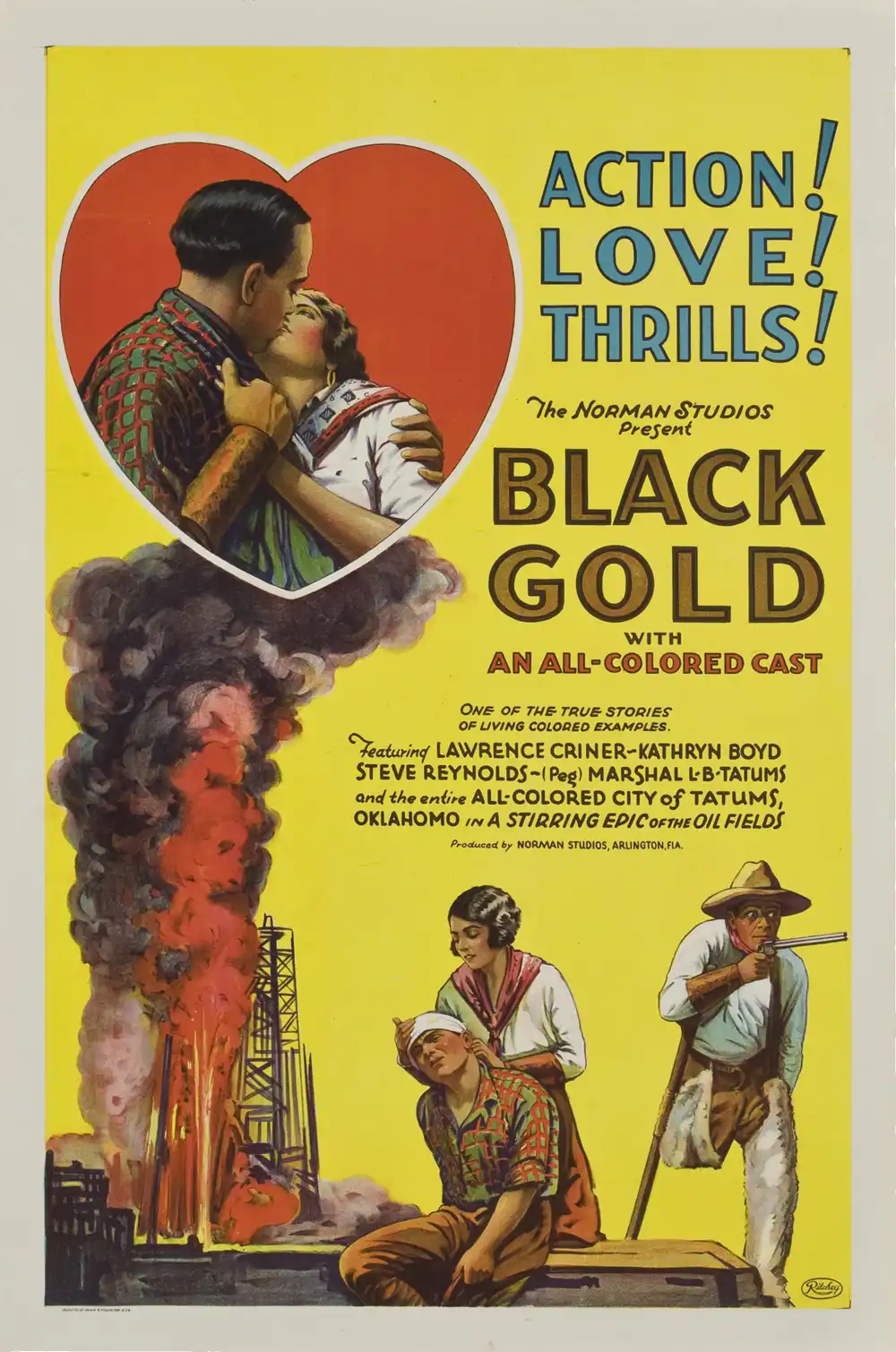
A definitive 5.9/10 rating for a film that redefined the boundaries of cult cinema. Black Gold remains a cornerstone of transgressive art.
If you're looking for a polished masterpiece, look elsewhere. But if you want to see a movie that feels like it was pulled right out of the red dirt of Oklahoma, Black Gold is worth your time today. 🎥
It’s perfect for anyone who likes seeing how people actually lived back then, without the Hollywood filter. If you hate silent movies or slow pacing, you’ll probably be bored to tears within ten minutes.
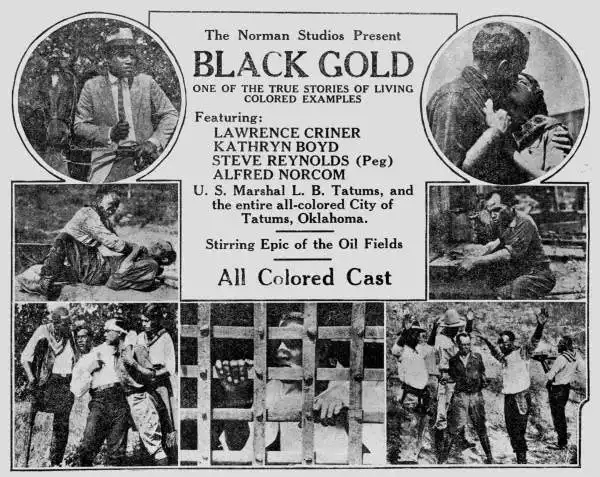
The whole thing was filmed in Tatums, which was a real all-black town. You can tell because the buildings look lived-in and the dust seems to get on everything.
Mart Ashton is the guy we're following, and he’s got it bad for "Black Gold Fever." He sells his cattle and spends every cent he has to drill for oil. It’s that classic story of a man betting his soul on a hole in the ground.
I love how Mart looks so tired in every scene. You can almost feel the stress of his bank account hitting zero. 💸
Then you have Walter Wonder, the bank cashier. With a name like that, you know he’s a jerk. He’s working with a driller to screw Mart over, and it’s one of those plots where you just want to yell at the screen because the betrayal is so obvious.
There’s a scene where Walter accuses Mart of stealing money, and the look on Mart's face is just... heartbreaking. He’s so confused and defeated.
The movie gets way more interesting once Mart gets thrown in jail. Now it's up to Ace Brand, the foreman, to save the ranch. Ace is played by Laurence Criner, and he has this very solid, dependable energy about him.
But the real star? It’s "Peg" Reynolds. 🦿
Steve Reynolds, who plays him, actually only had one leg in real life. Seeing him hop around the drilling rig and work just as hard as anyone else is honestly the most impressive part of the film. It's not played for pity; he’s just a tough guy doing his job.
It reminds me a bit of the ruggedness in The Brand, though this feels more personal. The stakes feel smaller but heavier, if that makes sense.
The middle of the movie drags a bit when they're talking about drilling rights and deadlines. Silent films love their title cards explaining legal stuff, and it gets a bit dry.
There’s a lot of focus on the machinery of the oil rig. If you aren't into 1920s engineering, these shots go on for a long time. I found myself looking at the background extras more than the pipes.
One reaction shot of Alice, Ace’s sweetheart, lingers for so long it becomes funny. She’s just staring off into the distance while the plot is happening somewhere else.
The urgency picks up when they only have seven days left to hit oil. The editing gets a bit frantic here, which is a nice change from the earlier slow bits. ⏳
I noticed the film quality is pretty rough in spots, which is expected for something this old. It adds to the vibe, honestly. It feels like you're watching a secret piece of history that survived by accident.
It’s a bit like Set Free in how it handles the idea of justice, but with way more dirt and grease. The struggle is very physical here.
The ending is exactly what you think it will be, but that doesn't make it less satisfying. Seeing that oil finally spray out of the ground feels like a huge relief after watching them struggle for an hour.
It’s not a perfect movie. Some of the acting is a bit stiff, and the villain is basically a mustache-twirling cliché. But the location is the real character here. 🏠
You can see the real Tatums in the background—the actual people who lived there. That's something you don't get in a studio-shot film from the same era.
I think the movie is best when it stops trying to be a thriller and just shows the work. The way they handle the tools, the way the horses look tired, the heat you can almost feel coming off the screen.
If you're into the history of Black cinema, this is a must-watch. If you just want a story about an underdog beating a crooked system, it’s still pretty good. Just be prepared for some very long shots of wood and metal.
Overall, it’s a rough-around-the-edges look at a world that doesn't exist anymore. Worth it for the one-legged cowboy alone. 🤠
IMDb —
1920
Community
Log in to comment.