DbcultAccessing Vault...
Cult Review
Senior Film Conservator
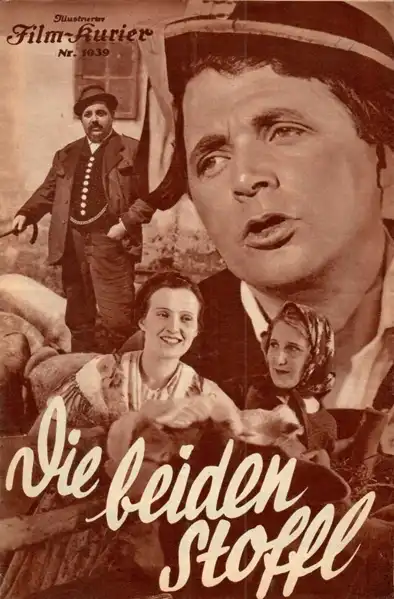
Right off the bat, if you’re into the old-school Austrian folk comedies – the kind with lots of misunderstanding and hearty laughter in a village setting – then Die beiden Stoffl might just be your cozy Saturday afternoon watch. If you usually expect high-budget spectacle or really sharp, modern humor, you’re probably gonna find this one a bit slow, maybe even a little baffling. It’s a definite niche flick. 🎬
The story, such as it is, centers on, well, two guys named Stoffl. One's a bit of a simple country lad, the other maybe a bit more worldly. Of course, they look alike, and you can guess where that’s headed: a good ol’ fashioned mix-up that throws a whole village into a gentle tizzy. The plot isn’t trying to reinvent the wheel, and that’s okay.
Paul Löwinger, always a presence, plays one of the Stoffls, bringing that familiar, earnest charm. His reactions are often the best part. When he realizes he’s in the wrong place, that slight widening of his eyes, it’s classic Löwinger. You just know he’s about to get into more trouble.
Cilli Löwinger is in there too, and she's got this wonderful, knowing look sometimes. Like she's in on the joke even when her character isn’t. There’s a scene where she’s trying to explain something to a very confused Paul, and the way she just sighs before trying again? It’s a small thing, but it really lands. It feels so real, you know?
The pacing is… leisurely. You could probably make a sandwich during some of the longer transition shots of the Austrian countryside. And honestly, that’s part of the charm. It’s not trying to rush you anywhere. Just soak it in. ⛰️
One bit that really stuck with me was this odd chase scene. It wasn’t a car chase or anything dramatic. It was more like a brisk walk with slightly increased urgency, through a field. The camera just kind of follows them. It felt less like a movie moment and more like watching someone actually trying to catch up to someone else in real life. Quite un-cinematic, but in a good way? Or maybe it just happen.
The humor often comes from the characters’ sincere efforts to understand a situation they’re completely misinterpreting. It’s not about sharp wit; it’s about the sheer absurdity of human error. Sometimes a punchline feels like it’s telegraphed from miles away, but then the actors sell it with such commitment, you can’t help but chuckle.
There's a lot of focus on village life. The tavern scenes, for example, they feel lived-in. You can practically smell the beer and hear the specific kind of regional music. It's not just a backdrop; it’s a character itself. All these local folks milling about, a sense of community there.
I did notice the sound mixing felt a bit… off sometimes. The music would swell a little too loudly over dialogue, then abruptly cut. You can tell it’s an older film, for sure. Little quirks like that just remind you of the era it came from.
And the costumes! So wonderfully traditional. Lots of lederhosen and dirndls, of course. They just add to that feeling of stepping back in time. It’s not a period piece, but it absolutely transports you to a specific, almost idyllic, vision of Austrian life.
The film doesn't really have "stakes" in the modern sense. No one's life is in danger. The biggest worry is usually someone's reputation or a lost animal. And that’s fine. It’s a gentle escape. It just wants you to smile a bit.
There's a scene near the end, a big reveal moment, where everyone finally figures out who is who. It’s played for maximum confusion before clarity, and one character, I think it was Hansi Zeilinger’s part, just throws his hands up in defeat. It’s such a simple, universal gesture. 🤷♂️
It won't change your life or win any awards today. But it’s a solid piece of its genre. A nice window into a certain kind of filmmaking. If you ever stumble upon it, give it a shot, especially if you have a soft spot for older European comedies. It’s got a genuine heart, even if it’s a bit rough around the edges.
IMDb 4.2
1932
Community
Log in to comment.