DbcultAccessing Vault...
5.8/10
Senior Film Conservator
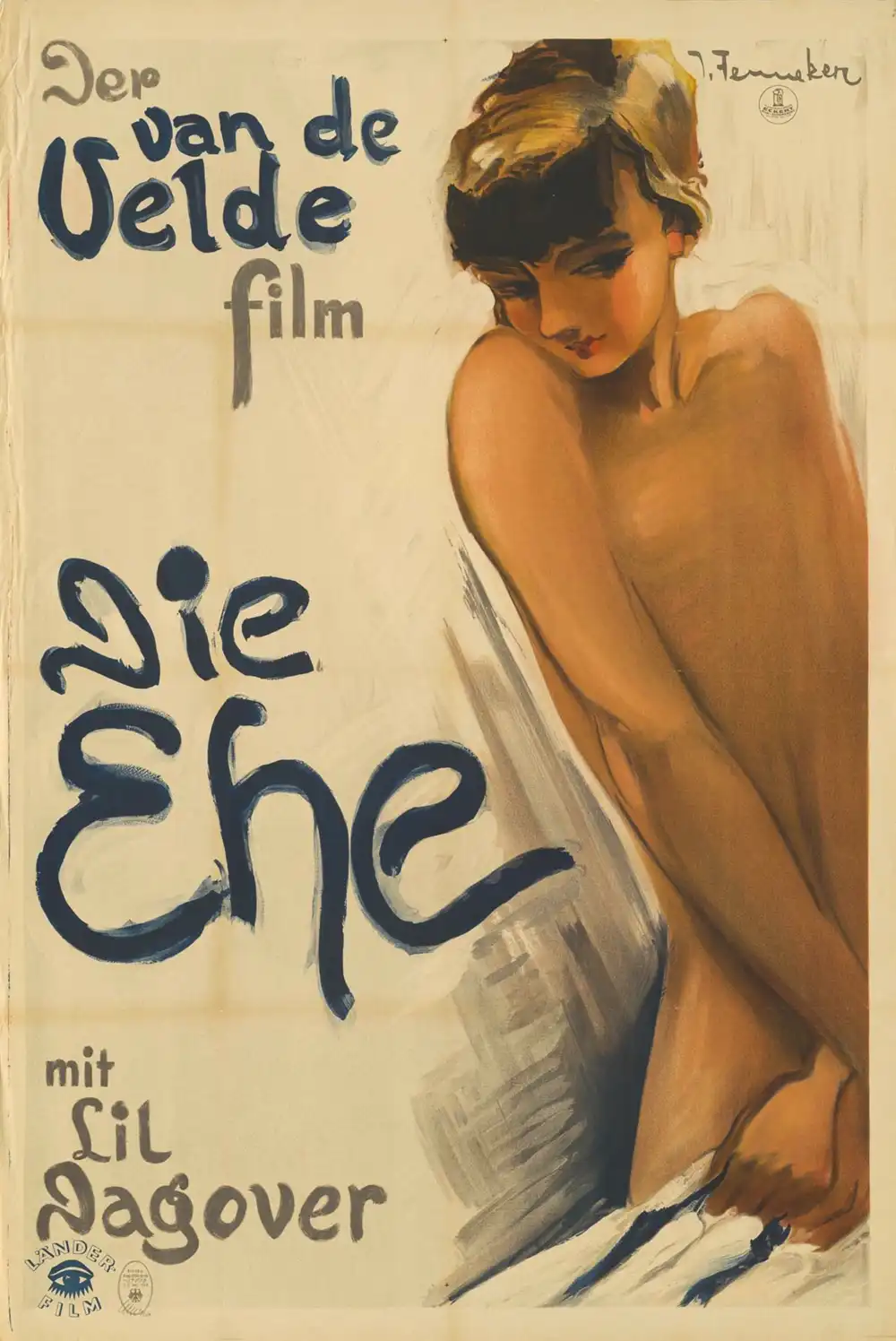
A definitive 5.8/10 rating for a film that redefined the boundaries of cult cinema. Die Ehe remains a cornerstone of transgressive art.
Alright, so "Die Ehe" – *The Marriage* – from 1929. Is it even worth tracking down today? Well, if you’re someone who thinks silent films are just dusty old relics, probably not your cup of tea. But for anyone keen on how movies tackled big ideas like marriage almost a century ago, or for silent film buffs, yeah, it's absolutely a *fascinating* watch. Folks looking for modern pacing or a clear-cut love story will likely find it slow going. There’s something quite earnest here, though.
The film, penned by a sexologist named Theodore H. Van de Velde, feels less like a typical melodrama and more like… a study. You can almost feel it *observing* the characters, rather than just telling their story. It’s almost clinical in its approach, which is kind of jarring for a silent film. Not bad, just… different.
Lil Dagover, as the wife, brings a real weight to her role. Her expressions are often so *intense*, you truly grasp her internal struggle without needing a single spoken word. There’s this one scene where she’s just staring out a window, and the despair on her face is just… *palpable*. No dramatic tears, just this quiet, heavy sadness. Very effective.
On the flip side, the husband, played by Livio Pavanelli, sometimes feels a bit stuck. He’s the *troubled* one, and that’s mostly what he conveys. His hand-wringing and frustrated pacing get a little repetitive after a while. You kinda wish he’d have a slightly different reaction. Just once.
The intertitles are where this film really shows its academic leanings. They aren’t just dialogue cards. Often, they give little *insights* into the 'nature' of marriage or human desire. It’s almost like a textbook had a baby with a silent movie. This makes it feel very… *deliberate*. And a bit preachy, honestly.
One thing that sticks with you is how it frames infidelity. It’s not just presented as a clear-cut sin. No. It’s almost shown as an *inevitable consequence* of certain marital failings. That must have been quite a bold statement for 1929. The film doesn't really condemn, it just… *shows* you what happens.
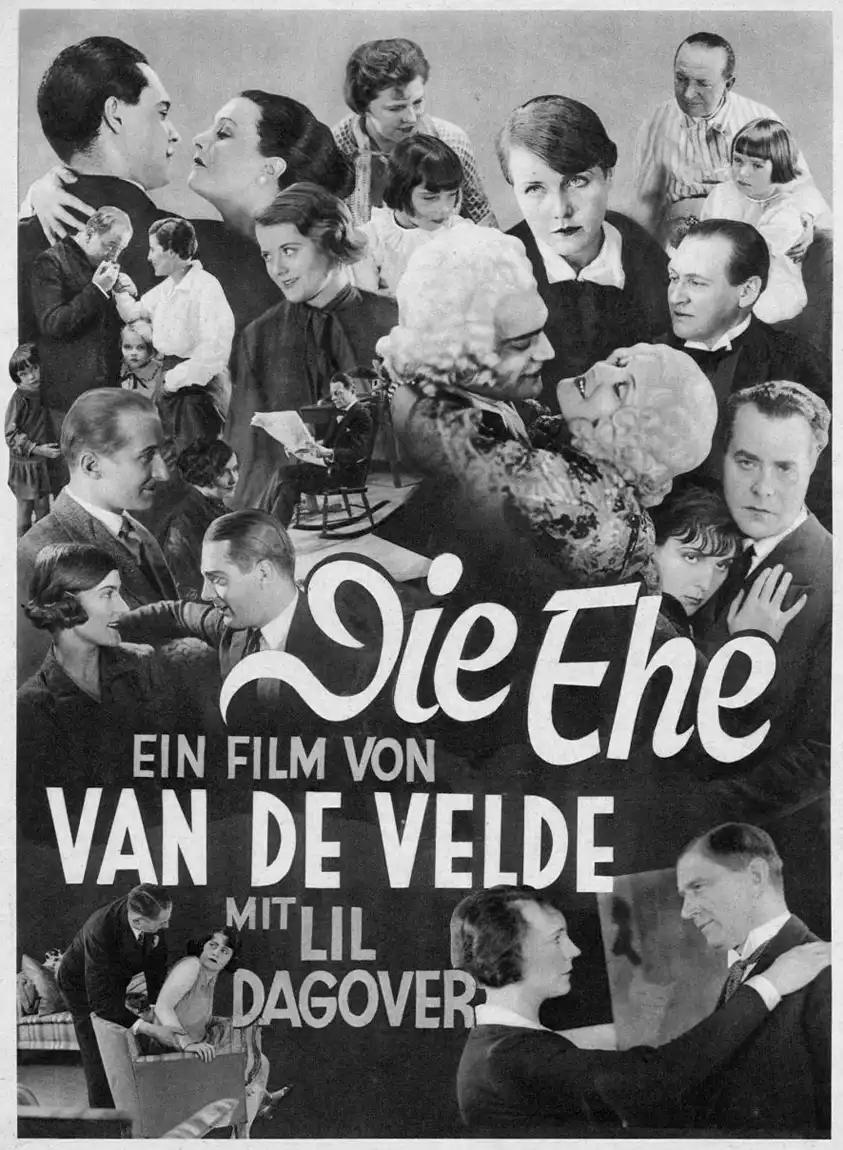
The pacing is definitely of its era. Moments linger. A simple glance across a room can take what feels like an eternity. Sometimes it works, building tension or showing deep thought. Other times, you just want them to *get on with it already*. There’s a shot of a clock ticking that goes on for *just a little too long*, making you acutely aware of the passage of time, maybe more than the filmmakers intended. 🕰️ It really drags there.
The sets are quite grand, typical of German cinema from that time. Big, sweeping rooms, heavy furniture. But then you also get these smaller, more intimate spaces that feel almost claustrophobic. They really highlight the trapped feeling some characters experience. You notice the contrast.
It’s interesting to observe how the film handles a topic like contraception, which is hinted at rather than explicitly stated. For a sexologist's work, it's surprisingly subtle, almost coded. You have to read between the lines. Or between the intertitles, really. It never spells it out.
The film feels less about individual characters' unique journeys and more about illustrating universal principles of marriage. It’s a study, not a drama, really. This makes it a bit emotionally distant at times. You admire its ambition, but you don't always *feel* with the characters. It keeps you at arm's length.
Is it a perfect film? Nah. The ending feels a bit *too tidy* for such a complex subject. After all that exploration, it seems to snap back into a more conventional resolution, which feels a little like a cop-out. But maybe that's what audiences expected back then. A nice, neat bow.
Still, watching Die Ehe, you get a real sense of a specific time, a specific mindset. It’s not a film you put on for casual entertainment. It’s one you watch to *think* about, to see how people grappled with big human questions almost a century ago. And for that, it's really quite special. A real time capsule, this one.
IMDb —
1936
Community
Log in to comment.