DbcultAccessing Vault...
7.3/10
Senior Film Conservator
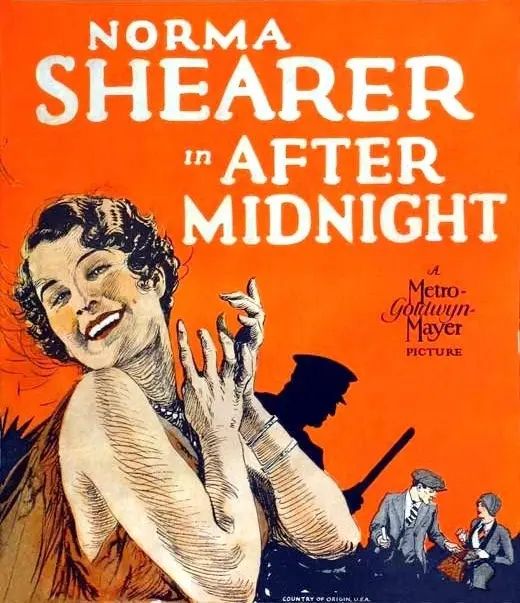
A definitive 7.3/10 rating for a film that redefined the boundaries of cult cinema. After Midnight remains a cornerstone of transgressive art.
Is Monta Bell's 1927 silent drama After Midnight worth watching today? Short answer: yes, but with significant caveats that demand a specific palate.
This film is an essential watch for enthusiasts of early cinema, particularly those fascinated by the nuanced performances of the silent era and the development of genre storytelling. However, it will likely test the patience of viewers accustomed to modern pacing and less overt melodrama. It works. But it’s flawed.
Early Hollywood was a crucible of narrative experimentation, and After Midnight stands as a compelling artifact from this fertile period. It’s a film that grapples with themes of redemption, class, and the destructive power of familial obligation, all filtered through the lens of a burgeoning cinematic language. While it may not resonate with every contemporary viewer, its historical significance and the magnetic performance of its lead make it a worthy subject of re-examination.
Let's get straight to the heart of the matter. Does this silent film, nearly a century old, offer anything beyond mere archival curiosity? Absolutely. Here’s a quick breakdown:
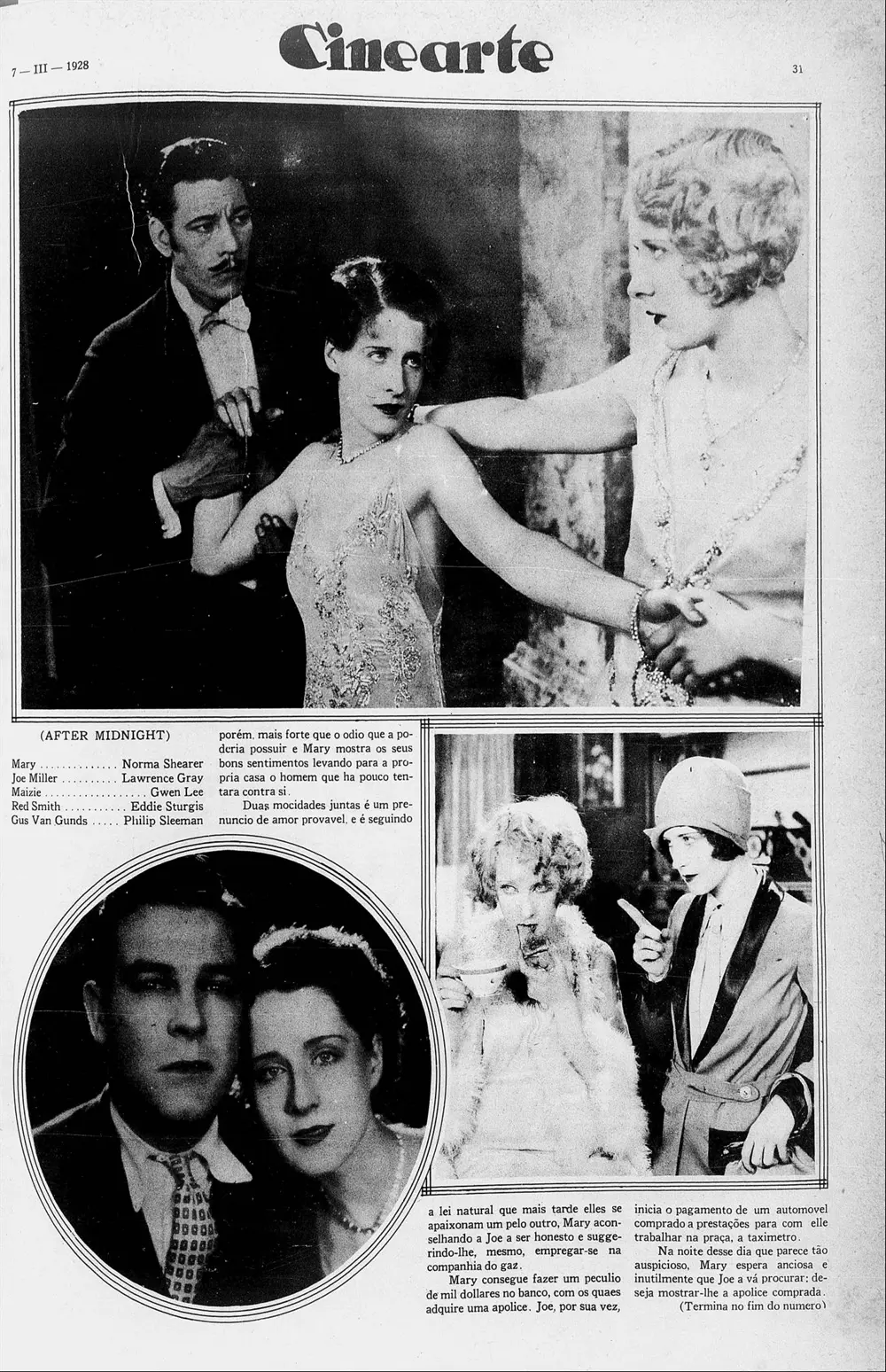
This film works because of Norma Shearer's utterly captivating performance, which transcends the typical silent film theatrics to deliver a genuinely empathetic portrayal of a woman navigating a tumultuous life. Her ability to convey deep emotion with subtle gestures and expressive eyes is a masterclass.
This film fails because its reliance on conventional melodramatic tropes, particularly in its latter half, can feel heavy-handed and predictable to a modern audience. The narrative turns, while impactful for their time, now verge on the obvious.
You should watch it if you are a dedicated student of early cinema, appreciate character-driven dramas, or are simply curious to witness Norma Shearer's formidable talent in one of her earlier, yet potent, roles. It’s also a fascinating look at the social anxieties and moral codes of the 1920s.
After Midnight opens with a raw, almost shocking confrontation. Joe, a desperate hold-up man, attempts to rob Mary, a nightclub hostess. But Mary is no damsel in distress; she's resourceful and resilient, quickly disarming him in a moment that sets the stage for a relationship built on something far more complex than simple victimhood and perpetrator. Monta Bell’s direction in this early scene is efficient, establishing character and stakes with minimal fuss.
The subsequent pivot from crime to an unlikely romance is handled with a tender, if somewhat expedited, touch. Mary, instead of reporting Joe, nurses him back to health, a decision born of empathy rather than naiveté. This act of grace catalyzes Joe’s desire to go straight, leading to their marriage and a shared pursuit of a modest, honest life. Their aspirations are tangible: Mary invests in a $1000 Liberty Bond, a symbol of their hard-won financial security, while Joe diligently saves to purchase his own taxi, a vehicle for his newfound independence.
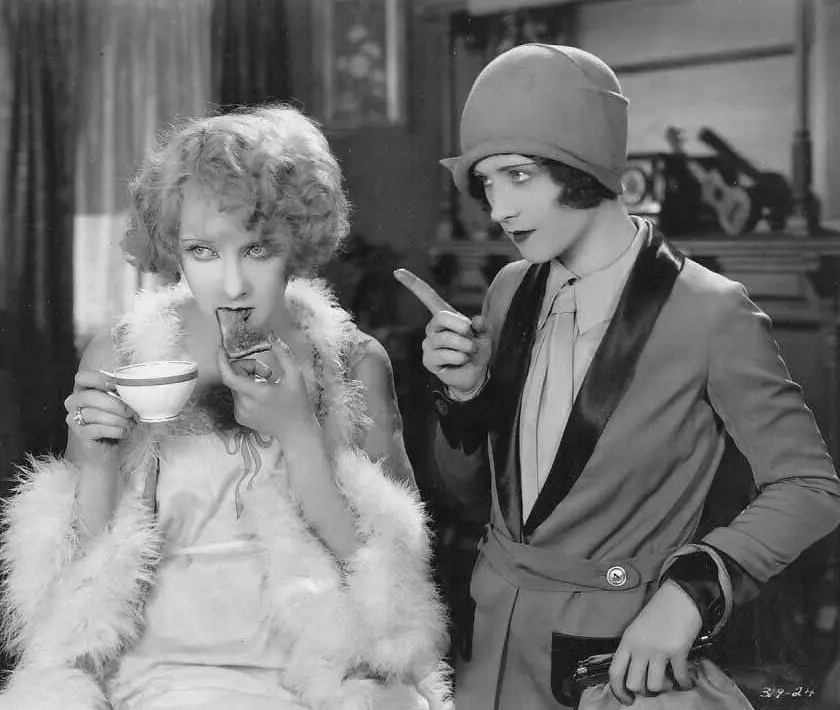
This fragile domestic bliss, however, is destined to be short-lived. The arrival of Maisie, Mary’s sister, acts as the narrative’s disruptive force. Maisie is depicted as a 'wild' and 'money-crazy' woman, a stark contrast to Mary’s grounded pragmatism. Her presence immediately introduces an element of chaos and temptation, threatening to unravel the carefully constructed peace Joe and Mary have built. It's a classic cinematic trope, but one that feels acutely observed in its period context.
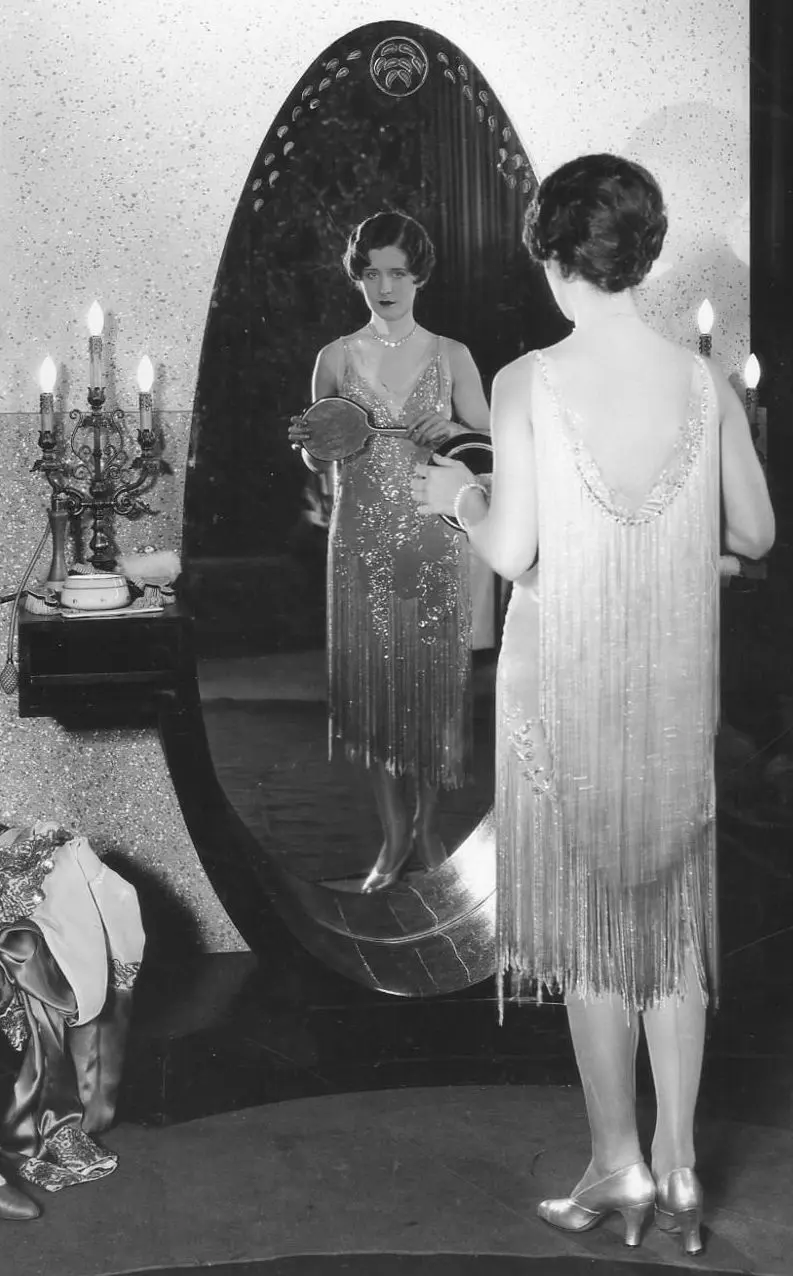
If After Midnight endures, it is largely on the strength of Norma Shearer's performance as Mary. Shearer, even in this relatively early role, demonstrates a profound understanding of silent acting, eschewing exaggerated gestures for a more internalised, nuanced portrayal. Her eyes, in particular, convey a depth of emotion that is truly remarkable.
Consider the scene where she disarms Joe. There’s a flicker of fear, yes, but quickly replaced by a steely resolve, a pragmatic instinct for survival. It’s not a moment of heroism, but of sheer, unadorned practicality. Later, as she nurses Joe, her compassion isn't saccharine; it's a quiet, almost weary kindness, born from a life likely spent understanding hardship. This grounded realism makes her eventual affection for Joe feel earned, rather than simply a plot contrivance.
Shearer truly shines in her interactions with Gwen Lee's Maisie. The exasperation, the underlying protectiveness, and the eventual heartbreak are all etched on her face with devastating clarity. There’s a particular moment where Mary silently observes Maisie’s reckless spending, a subtle shake of the head conveying more than any intertitle could. While some of her contemporaries, like Lillian Gish, often embodied ethereal fragility, Shearer here presents a woman of formidable inner strength, a proto-feminist figure navigating a man's world with quiet dignity.
Monta Bell, known for his ability to elicit strong performances, directs After Midnight with a steady, confident hand. His visual storytelling is clear and economical, making excellent use of close-ups to highlight emotional beats. He understands the power of the unspoken, allowing his actors to carry much of the narrative weight.
The film's settings are effectively contrasted. The smoky, bustling nightclub where Mary works establishes her gritty independence, while the quiet domesticity of her and Joe's home, often bathed in softer light, symbolizes their aspirations for peace. Bell uses these environments to underscore the characters' internal states and the societal pressures bearing down on them. The visual contrast is stark, almost palpable.
Pacing, a common challenge in silent cinema for modern viewers, is generally well-managed here. Bell builds tension gradually, particularly after Maisie's arrival. There are subtle visual cues – a lingering shot on a worried expression, a quick cut to a discarded bill – that foreshadow the impending tragedy without resorting to heavy-handedness. While not as avant-garde as some European films of the era, or as structurally daring as Hitchcock's early work like Number 17, Bell's approach is nonetheless effective in its directness and emotional clarity.
After Midnight attempts to navigate a challenging tonal landscape, shifting from a gritty crime drama to a hopeful romance, and finally, to a full-blown melodrama. For the most part, it succeeds, largely thanks to the consistency of Shearer's performance. The initial realism of Joe's criminal past and Mary's working-class life grounds the film in a believable world.
However, the transition into outright tragedy in the final act feels somewhat less organic. While the seeds of Maisie’s destructive nature are planted early, the speed and inevitability with which disaster strikes can feel a little too convenient, too much like a narrative obligation of the era rather than a natural consequence of character choices. It’s here that the film’s silent era roots are most apparent, leaning into a theatricality that can feel somewhat forced today.
My debatable opinion? The film’s greatest weakness lies not in its melodrama itself, but in its inability to fully commit to the tragic arc with the same understated realism that defines its opening. Had the emotional stakes been allowed to simmer longer, or the choices leading to tragedy been more ambiguous, the impact would have been devastatingly profound.
While Shearer dominates, the supporting cast plays crucial roles in shaping the narrative. Johnny Mack Brown as Joe embodies the conflicted ex-con with a surprising vulnerability. His transformation from a hardened criminal to a man yearning for respectability is believable, largely due to his earnest portrayal. He holds his own against Shearer, creating a credible on-screen partnership that anchors the film's romantic core.
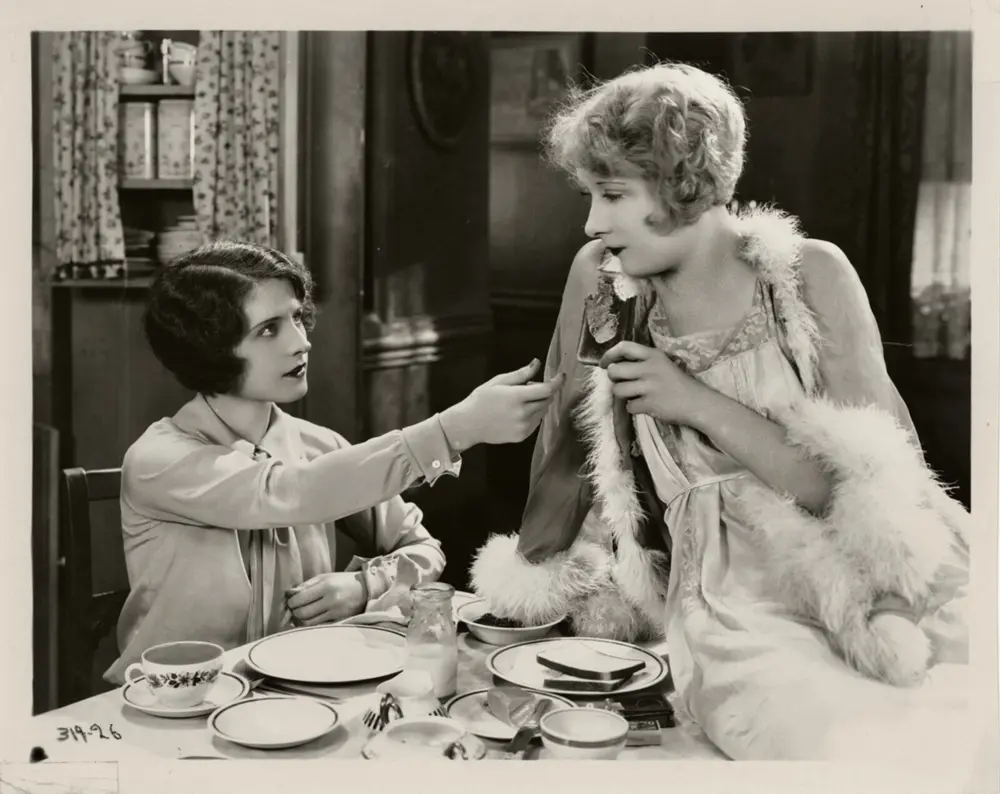
Gwen Lee, as Maisie, delivers a performance that, while occasionally veering into caricature, effectively serves her purpose as the catalyst for conflict. Her 'wildness' is conveyed through a mix of theatrical gestures and a palpable sense of self-interest. She's not a subtle villain, but an effective one, embodying the societal anxieties around financial recklessness and moral decay. John Kelly, in a smaller role, also adds to the fabric of the narrative, painting a picture of the wider world Mary and Joe inhabit.
Despite its strengths, After Midnight is not without its challenges for a contemporary audience. The pacing, while generally good for a silent film, can still feel slow in certain sequences, particularly as the plot meticulously builds towards its dramatic climax. Modern viewers accustomed to rapid-fire editing might find themselves occasionally disengaging.
The use of intertitles, while necessary, sometimes breaks the immersion. While many are concise and effective, a few feel a little too expository, telling rather than showing. This is a common hurdle for silent films, and while Bell largely navigates it well, it's an inherent limitation of the format. Furthermore, some of the melodramatic plot turns, while standard for 1927, can feel dated and predictable, robbing the final act of some of its intended emotional punch. The 'fallen woman' trope, for instance, is handled with a bluntness that modern cinema has largely moved beyond.
Released in 1927, a pivotal year for cinema with the advent of sound just around the corner, After Midnight stands as a solid example of what silent drama could achieve. It's not a groundbreaking work in the vein of a Murnau or an Eisenstein, but it’s a finely crafted character study within the popular crime-melodrama genre. Its themes of social mobility, personal redemption, and the corrosive nature of greed resonate even today.
For Norma Shearer, it was another step in a career that would soon blossom into full stardom. Her performance here foreshadows the strong, complex female characters she would later portray. The film offers a fascinating counterpoint to other crime dramas of the era, perhaps less sensational than a film like Bad Company, but no less compelling in its human drama. It also offers a glimpse into the moral sensibilities of the Roaring Twenties, a society grappling with changing values and the lingering specter of prohibition-era crime.
An unconventional observation: the film, in its quiet depiction of Joe and Mary's struggle to maintain their honest life amidst Maisie's disruptive influence, subtly critiques the fragility of the American Dream itself. It suggests that even the most wholesome aspirations can be undermined not just by external forces, but by the very people we hold dear.
Yes, After Midnight is absolutely worth watching for specific audiences. It’s a compelling piece of film history. Norma Shearer's performance alone justifies the viewing. It offers invaluable insight into early Hollywood storytelling. However, temper your expectations for modern pacing. Embrace the melodrama as a product of its time. Approach it with an appreciation for silent cinema’s unique charms.
After Midnight is a fascinating, if imperfect, window into early Hollywood drama. Its narrative, while occasionally succumbing to the melodramatic conventions of its time, is elevated significantly by a truly remarkable performance from Norma Shearer. She anchors the film with a grounded humanity that transcends the limitations of silent cinema, making Mary a character you genuinely root for, even as tragedy looms.
While it may not captivate every modern viewer, for those willing to engage with its historical context and appreciate the artistry of its lead, After Midnight offers a compelling and emotionally resonant experience. It's a testament to the enduring power of character-driven storytelling, even without spoken words. Seek it out if you want to understand the roots of cinematic drama and witness a star in the making.
IMDb 7.1
1924
Community
Log in to comment.