DbcultAccessing Vault...
8/10
Senior Film Conservator
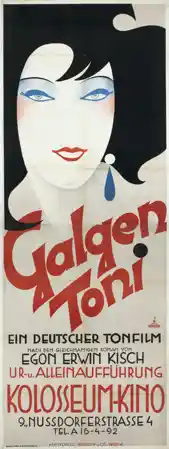
A definitive 8/10 rating for a film that redefined the boundaries of cult cinema. Die Galgentonitonischka remains a cornerstone of transgressive art.
So, Die Galgentonitonischka. Yeah, quite a mouthful, huh? If you’re into those really raw, silent era dramas that don’t pull any punches, this one’s probably for you. It’s got that stark, almost brutal look at human nature when pushed to its limits. But if you prefer your old films light and fluffy, or need a lot of dialogue, you’ll probably want to skip it. This is heavy stuff, no easy answers here.
The film starts with Helena, played by Ita Rina, coming back to Prague. You can almost feel the country air leaving her as she steps off that train. The city feels big, a bit cold, immediately. 🏙️
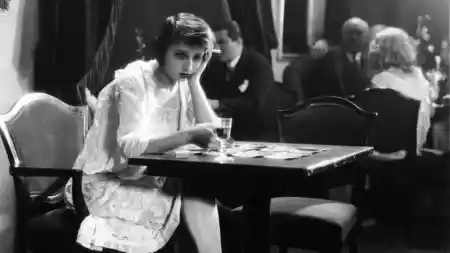
She ends up working as a prostitute. The movie doesn't dwell on it, just shows it. It's simply her reality, no big dramatic pronouncements. She carries herself with a quiet dignity, even when life is anything but.
Then comes the central idea, the one that really gets under your skin: a condemned man, a murderer, asks for one night with a woman before he dies. And Helena says yes. Just like that.
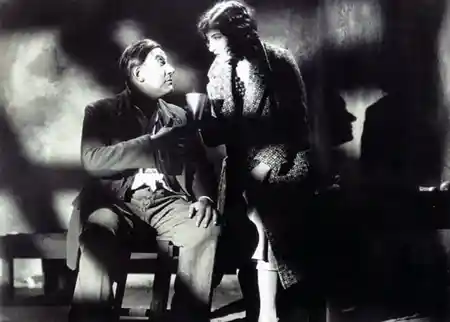
This decision, it’s not logical by normal standards, but it makes a strange kind of sense within the story. It's a choice made out of something deeper, maybe a strange empathy or just a weariness with the world.
The whole town, they just turn on her, *real* quick. You see it in their faces, the whispers. It’s not just a few people; it's practically everyone. The film does a great job of showing that collective outrage.
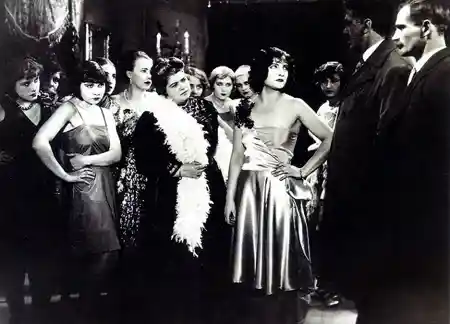
One scene, where she’s walking through the market, and people literally turn their backs or point fingers? It’s tough to watch. You can almost feel the air getting colder around her. No words needed, just those sharp looks.
Ita Rina’s performance is the backbone here. She communicates so much with just a glance, a slight tilt of her head. Her eyes, especially, hold a lot of unspoken pain and resolve. You *believe* her quiet strength.
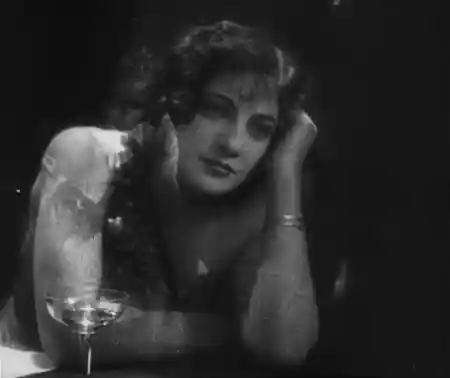
Josef Rovenský, as the condemned man, he doesn't get a lot of screen time, but his desperation is palpable. That plea for human connection, even for just a few hours, it's pretty gut-wrenching.
The film really makes you think about judgment. How quickly people decide someone else's worth, based on a single act, without understanding the reasons. It feels very modern in that way, actually.
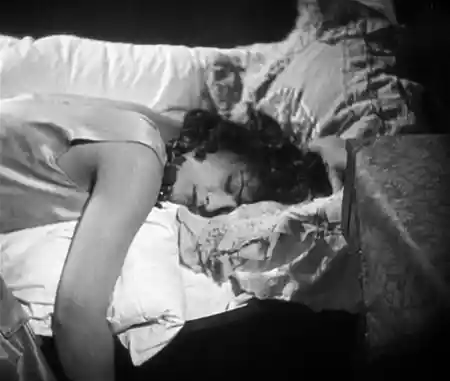
There's this moment, small but important, where Helena almost breaks. Just a flicker of despair before she steels herself again. It’s not overdone, just a quiet beat that says so much about what she's enduring.
The pacing is deliberate. It lets scenes breathe. Sometimes a bit too much, maybe, but mostly it works to build this heavy atmosphere. You feel the weight of her choice, the slow march towards the inevitable.
The sets are simple, but effective. Prague, even in black and white, feels like a real place, not just a backdrop. The streets, the interiors, they feel lived-in, worn. 🏘️
It's not a visually flashy film. No big sweeping shots or fancy camera tricks. It just gets in close, focuses on faces, on reactions. That directness works for the story it’s trying to tell.
The ending, without giving anything away, is not exactly a happy one. But it feels earned, tragic as it is. It sticks with you long after the screen goes dark.
It’s a powerful watch, but definitely not for a casual movie night. You need to be in the mood for something that asks big questions and offers uncomfortable answers. It’s a film that stays with you, for better or worse. Worth seeing if you appreciate the raw, emotional power silent cinema could deliver. 💔

IMDb 4.6
1929
Community
Log in to comment.