DbcultAccessing Vault...
7.1/10
Senior Film Conservator
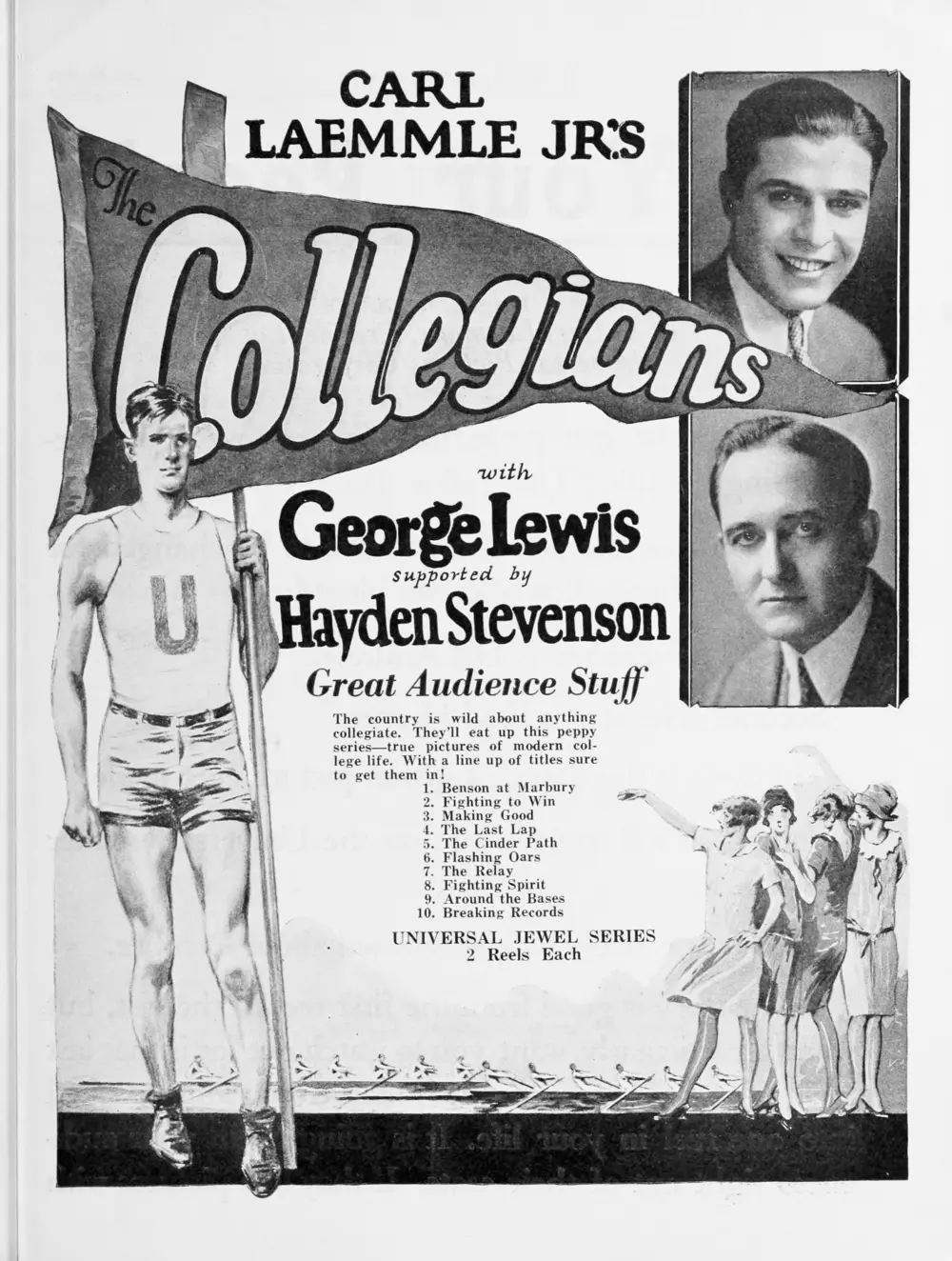
A definitive 7.1/10 rating for a film that redefined the boundaries of cult cinema. The Collegians remains a cornerstone of transgressive art.
Is the 15-hour marathon of The Collegians still relevant in the age of Netflix? Short answer: yes, but only if you view it as a cultural archaeological site rather than a standard movie night.
This series is specifically for silent film completionists and historians of the 1920s social fabric; it is decidedly NOT for anyone seeking a singular, cohesive narrative with modern emotional complexity.
The Collegians is a fascinating relic that offers a unique 'real-time' progression of characters rarely seen in the 1920s. While the individual plots are often wafer-thin, the collective experience of watching these actors age and evolve over 46 shorts is a precursor to the modern television format. If you have the patience for the repetitive tropes of the era, it provides a vivid, if sanitized, window into the Jazz Age.
1) This film works because it maintains an infectious, high-octane energy that defined the post-WWI American spirit.
2) This film fails because it relies heavily on stereotypical 'rah-rah' college tropes that become exhausting after the tenth installment.
3) You should watch it if you want to see the literal blueprints for the modern campus comedy genre.
Before the 1920s, college in cinema was often portrayed as a somber place of intellectual rigor. The Collegians changed that forever. Under the guidance of Carl Laemmle Jr., Universal turned the university into a playground. This wasn't just a series; it was a branding exercise for the 'New Youth.' Every episode feels like a curated vision of what people *wanted* college to be: a place where the biggest problem was a missed touchdown or a misunderstood flirtation.
The pacing of these two-reelers is relentless. Unlike the slow, atmospheric dread found in German Expressionist works like Hintertreppe, The Collegians moves at the speed of a Charleston dance. It’s frantic. It’s loud (metaphorically). It’s unashamedly commercial. Each installment was designed to leave the audience wanting more, a strategy that helped Universal dominate the short-subject market during this period.
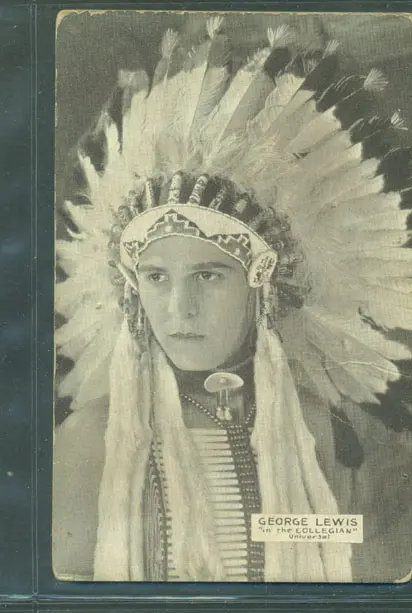
One of the most compelling reasons to revisit this series is the cast. Seeing a young George J. Lewis as the quintessential 'Big Man on Campus' is a treat. He possesses a naturalism that many of his contemporaries lacked. Beside him, Dorothy Gulliver provides the template for the 'girl next door' that would dominate Hollywood for the next three decades. Their chemistry is the glue that holds these 46 disparate shorts together.
Keep an eye on the background, too. You will spot a very young, very athletic Andy Devine before he became the gravel-voiced character actor we know today. Even Walter Brennan makes appearances. Seeing these future legends in their physical prime, performing the slapstick and stunts required by the 'collegiate' brand, is a surreal experience. It’s a reminder that the studio system was a machine that built stars from the ground up, one two-reeler at a time.
While multiple directors touched the series, the visual language remains remarkably consistent. This is 'house style' filmmaking at its peak. The cinematography isn't trying to be art; it’s trying to be clear. The lighting is high-key, the framing is wide to capture the action, and the editing is punchy. It lacks the poetic nuance of Livets konflikter, but it makes up for it in sheer legibility.
There is a specific scene in the 'Junior' year installments where a football game is captured with a vigor that rivals the epic scale of The Pony Express. The cameras are placed right in the thick of the action, creating a sense of immersion that was quite advanced for mid-budget shorts. The directors understood that the 'spectacle' of youth was their primary selling point. They didn't need a complex script when they had a well-choreographed track meet or a chaotic frat house party.
As the series progressed toward 1929, the looming shadow of 'Talkies' began to change the production. The later installments feel different—more experimental, yet more constrained. Watching The Collegians is like watching the silent era take its final, joyful bow before the microphone changed everything. It shares a certain DNA with other late-silent works like The Recoil or Breed of the Border, where the focus shifted toward more action-oriented, populist storytelling.
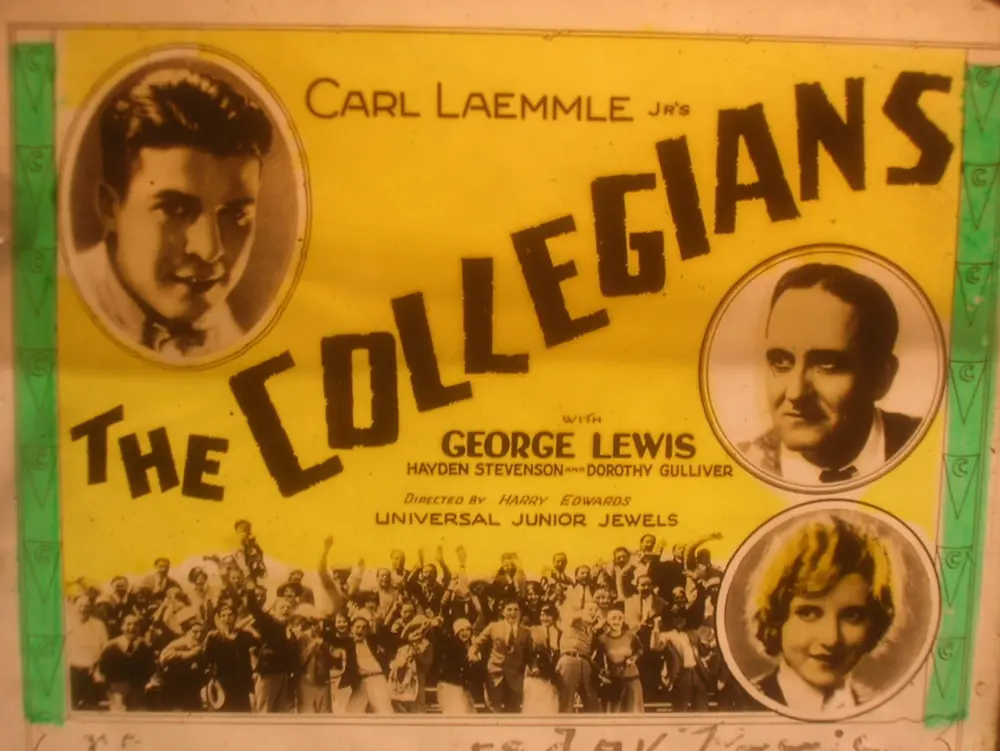
However, the series also suffered from its own longevity. By the time they reached the senior year, the 'freshness' of the concept had started to sour. The actors were clearly getting older, and the scripts began to repeat the same beats of jealousy and athletic triumph. It’s a classic case of a franchise staying at the party just a little too long. It works. But it’s flawed. The repetition is the price you pay for the immersion.
If you are looking for a deep, emotional experience like Panthea, you will be disappointed. However, if you want to understand the origin of American pop culture's obsession with youth, The Collegians is essential viewing. It is the missing link between the vaudeville shorts of the early 1910s and the structured sitcoms of the 1950s. It is a marathon, but the view from the finish line offers a perspective on cinema history you can't get anywhere else.
Pros: High energy, charismatic leads, and a fascinating look at 1920s fashion and social norms. It captures a specific 'vibe' of optimism that was lost after the 1929 crash. The production values are surprisingly high for short films, showing Universal's commitment to the brand.
Cons: The 'Hollywood' version of college is incredibly narrow—don't expect to see anyone actually studying. The gender roles are firmly rooted in the 1920s, which can be grating for modern audiences. The sheer volume of content makes it difficult to consume in a single sitting without it becoming a blur of pom-poms and sweaters.
When compared to the gritty realism of The End of the Road or the whimsical nature of Circus Days, The Collegians sits in a strange middle ground. It’s not quite a comedy, not quite a drama. It’s 'lifestyle' cinema. It shares the aspirational quality of Blue Blood and Red, focusing on the elite (or those who look like them) and their trivial problems. It lacks the exoticism of Maharadjahens yndlingshustru III, but it replaces that with a relatable, domestic charm that made it a massive hit in its day.
The Collegians is a monumental achievement in persistence. While no single episode is a masterpiece, the 46-part tapestry is a vital piece of film history. It isn't 'fine art' in the way a Murnau or a Lang film is, but it is 'pure' cinema—designed to entertain, to sell an image, and to keep the seats filled. It is the ultimate time capsule of a world that was about to disappear. Watch it in small doses to appreciate the craft, the charisma, and the sheer audacity of a four-year cinematic commitment. It’s a long road, but for the right viewer, it’s a journey worth taking.
IMDb 5.5
1935
Community
Log in to comment.