DbcultAccessing Vault...
7.3/10
Senior Film Conservator
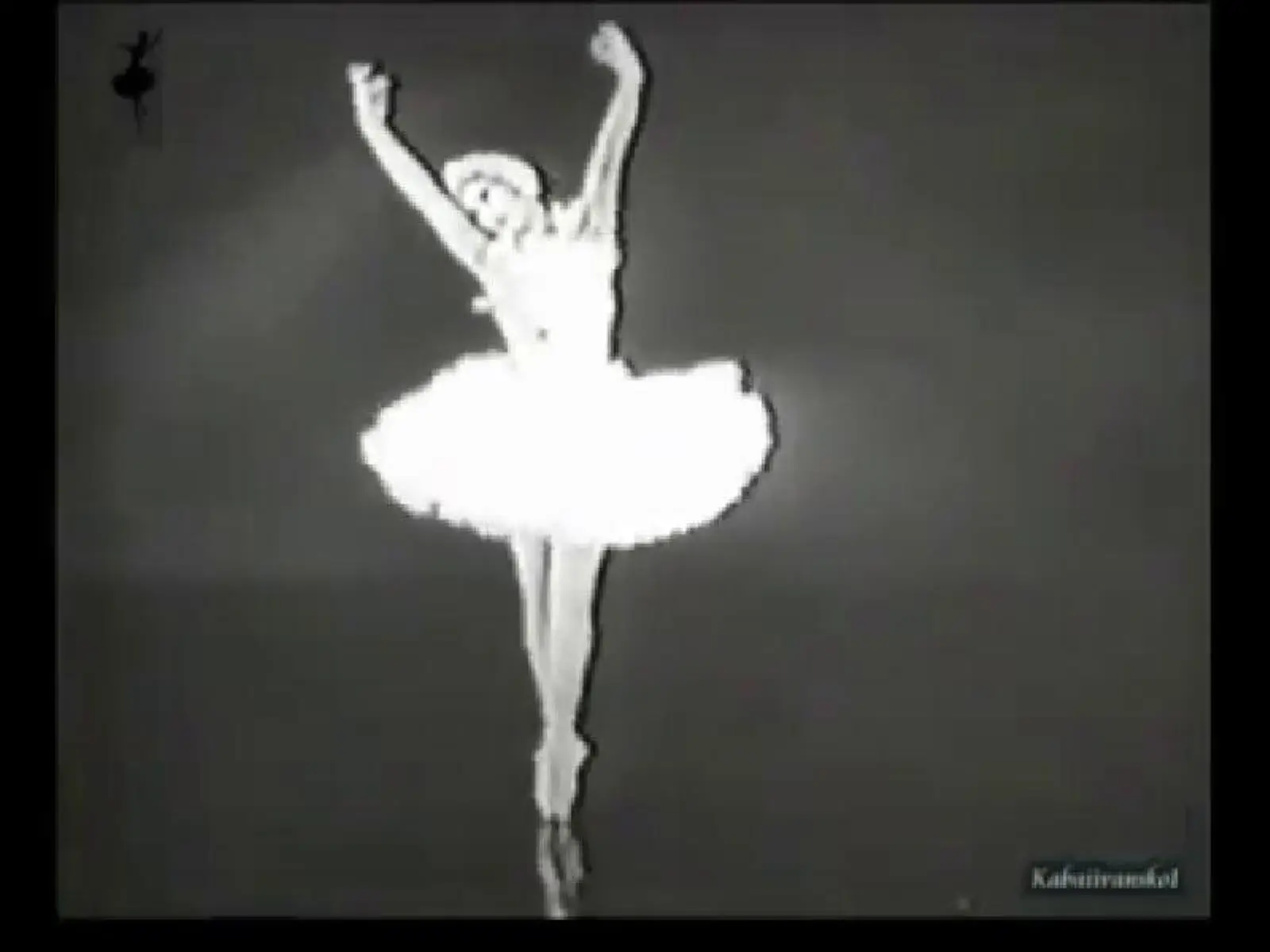
A definitive 7.3/10 rating for a film that redefined the boundaries of cult cinema. The Dying Swan remains a cornerstone of transgressive art.
To witness Anna Pavlova in The Dying Swan is to observe the very soul of the early 20th century’s aesthetic revolution. While the film’s duration is brief, its gravitational pull on the history of performance art is immeasurable. We are not merely watching a dancer; we are observing the transubstantiation of a human being into a symbol of universal pathos. The grainy, flickering frames of this 1925 recording do not obscure the brilliance; rather, they lend a ghostly, hallowed quality to Pavlova’s movements, as if we are peering through a temporal veil at a ritual that was never meant for mortal eyes.
At the heart of this work lies Mikhail Fokine’s choreographic rebellion. Before this piece, ballet was often a display of mechanical prowess—a series of athletic feats designed to elicit applause through sheer endurance. Fokine, however, sought a deeper psychological resonance. In The Dying Swan, the focus shifts from the legs to the torso and arms. Pavlova’s upper body becomes a fluid instrument of lamentation. The way her wrists break and her fingers flutter mimics the involuntary spasms of a creature whose life force is ebbing away. This isn't the romanticized death of a stage heroine; it is a biological observation rendered through high art.
Comparing this to the narrative density of contemporary works like The Divorcee, one realizes that Pavlova achieves more emotional depth in three minutes than many features do in ninety. While The Wrong Woman relies on the tropes of social melodrama to provoke empathy, Pavlova relies on the primal recognition of physical decline. The swan is not a character in the traditional sense; it is an avatar for the viewer’s own inevitable confrontation with the end. The lack of a complex plot is precisely what allows the film to achieve a state of pure, unadulterated symbolism.
The cinematography of the era, though primitive by modern standards, serves the subject matter with accidental perfection. The high-contrast lighting catches the sheen of Pavlova’s feathers, creating a luminous silhouette against the dark background. This visual isolation emphasizes the swan’s loneliness. Unlike the sprawling landscapes found in The Desert Sheik or the industrial grit of The Railroader, the setting here is a void. It is a non-space, a liminal zone between life and the afterlife. This void forces the viewer to hyper-focus on the micro-movements of the performer.
One must appreciate the stillness within the motion. Pavlova’s ability to sustain a bourrée—those tiny, fluttering steps—creates an illusion of gliding that feels supernatural. It is a technique that defies the heaviness of the human frame. In the context of 1920s cinema, which was often preoccupied with the frantic energy of slapstick or the heavy-handed gestures of expressionism, The Dying Swan is an anomaly of subtlety. It shares more DNA with the atmospheric dread of Sir Arne's Treasure than it does with the theatricality of The Triumph of Venus.
To discuss Pavlova is to discuss the cult of the personality in early cinema. She was a global superstar whose image was synonymous with the very concept of the 'ballerina.' However, this film captures her not as a celebrity, but as a martyr to her craft. The physical toll of the performance is evident in the tension of her neck and the hollows of her eyes. There is a sense of exhaustion that mirrors the swan’s own demise. This authenticity is what separates this work from the more manufactured dramas of the period, such as Phantom Fortunes or the escapism of Out of Luck.
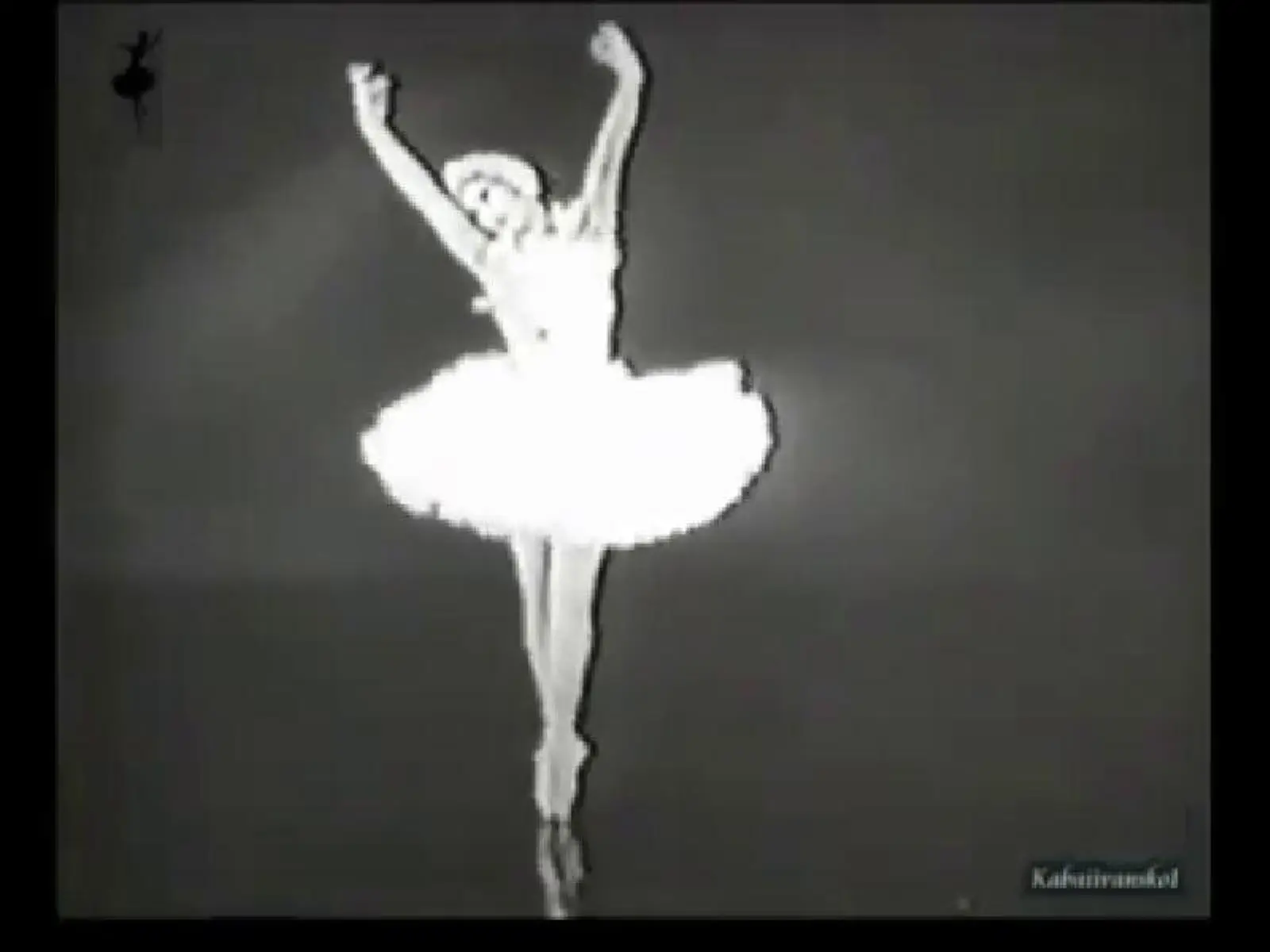
The influence of this piece extends far beyond the dance world. It taught filmmakers that the human body could be a landscape of its own. You don't need the elaborate costumes of Das Mädel von Picadilly, 2. Teil or the social artifice of A Widow's Camouflage to tell a profound story. You only need a singular, focused intention. When Pavlova finally collapses into a heap of white tulle, the silence of the film is deafening. It is a moment of total cinematic surrender.
Why does the swan resonate so deeply? In Western mythology, the swan’s song is its most beautiful and its last. By choosing this motif, Fokine and Pavlova tapped into a collective unconsciousness regarding the beauty of the finale. Unlike the historical rigidity of Istoriya grazhdanskoy voyny, which seeks to document the macro-movements of nations, The Dying Swan documents the micro-movements of a soul. It is an intimate documentary of a feeling.
There is a palpable sense of 'the past' in this film, much like the thematic undercurrents in Chained to the Past. Pavlova herself was a relic of the Imperial Russian tradition, yet she was also a pioneer of the modern age. This duality is reflected in the swan’s struggle—the desire to remain aloft while being pulled down by the gravity of time. The film serves as a memento mori, a reminder that even the most exquisite grace is subject to the laws of decay. It is this honesty that prevents the film from becoming mere kitsch.
One cannot analyze the film without acknowledging the phantom presence of the music. Camille Saint-Saëns’ 'Le Cygne' from *The Carnival of the Animals* provides the rhythmic skeleton for Pavlova’s movements. Even in a silent medium, the melody is inscribed in her muscles. The way she stretches her arms to the sky during the cello’s soaring phrases is a testament to her musicality. It is a symbiotic relationship where the sound informs the sight, and the sight gives the sound a physical form. This level of artistic integration was rare in the early days of film, where music was often an afterthought or a generic accompaniment.
In the broader landscape of 1920s cinema, dominated by the ruggedness of The Western Musketeer or the nocturnal mysteries of The Man in the Moonlight, The Dying Swan stands as a beacon of high-culture aspiration. It proved that the 'flickers' could be more than just entertainment; they could be a repository for the highest forms of human expression. It challenged the notion that ballet required the proscenium arch to be effective. By bringing the camera close to the dancer, the film allowed for an intimacy that the back row of a theater could never experience.
Ultimately, The Dying Swan is a work that defies the obsolescence of its technology. While we may have 8K resolution and CGI today, we have nothing that matches the raw, visceral impact of Pavlova’s final descent. It is a reminder that art is not about the tools used to create it, but about the depth of the human spirit poured into the work. Like the justice sought in Gengældelsens ret, the swan’s struggle is a matter of profound moral and aesthetic weight. It is a film that demands to be watched in silence, with a reverence for the woman who turned a few minutes of film into an eternal monument of grace.
"The swan does not speak; it only exists, and in its finality, it speaks for us all."
IMDb 5.2
1920
Community
Log in to comment.