DbcultAccessing Vault...
6.9/10
Senior Film Conservator
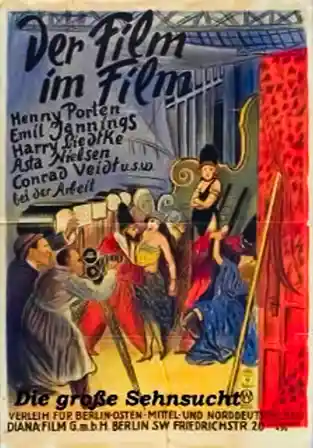
A definitive 6.9/10 rating for a film that redefined the boundaries of cult cinema. Die große Sehnsucht remains a cornerstone of transgressive art.
So, is Die große Sehnsucht worth digging up today? 🤔 Well, if you're into the really early days of German cinema, or you're just fascinated by silent film stars before they were *stars* in the modern sense, then yeah, probably. It’s definitely not for folks who need fast-paced action or crisp dialogue. You might find it a bit slow if you’re used to anything made after, say, 1950. But for a peek into a very specific time, it’s quite something.
The film starts with our lead, Berthe Ostyn, as this young woman who just... decides. One moment she's in her quiet little town, probably doing some very sensible job. Then bam, she's off to the big city, stars in her eyes. It's a classic setup, really. Her determination feels pretty genuine, you know? Like, you *get* why she'd do it.
Her family, her old life, it all just kinda fades away once she leaves. The movie doesn't really look back. It’s all about the new, exciting world she’s stepping into. This focus keeps things moving, even if the pacing itself is gentle.
You see her arriving in what I'm assuming is Berlin. The city scenes are pretty lively for a silent film. Lots of people moving about, busy streets. It makes the place feel huge and a bit scary compared to her tiny village. I kept noticing the old cars, boxy and slow, but they were probably zipping around back then.
Now, about those cameos! This is where it gets fun. It’s like a "who’s who" of German cinema from that era. You see a flash of Das Haus zum Mond actor Theodor Loos, or maybe Harry Frank, just for a second. They pop up in these small, blink-and-you-miss-it roles. Like, one minute someone's walking past a film set, and there's a recognizable face just... *there*.
It's not about them having big parts, not at all. It’s more like a fun game of "spot the star." You can tell the filmmakers were having a blast with it. It felt like a nod to the audience, like, 'hey, look who we got!'.
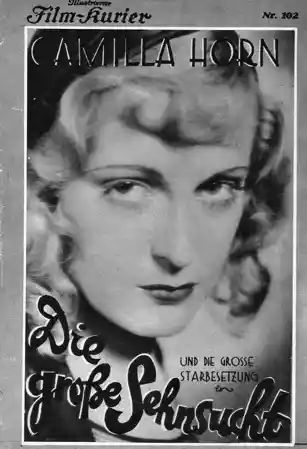
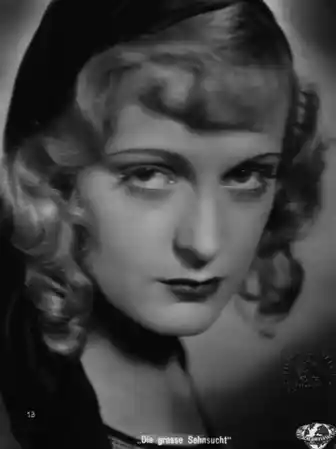
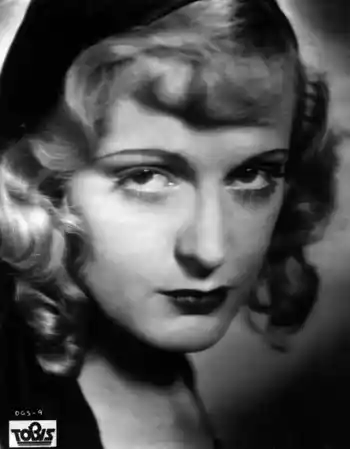
Sometimes, it almost makes you forget our main character’s journey for a second. You’re just looking for the next famous person. But then the movie pulls you back. Berthe Ostyn’s face really carries a lot of the story. She doesn't need words to show her hopes and her frustrations.
There's a scene where she's waiting, just waiting, outside an office. The shot just holds on her for a long time. You can almost *feel* the endless minutes tick by. That kind of patience from the camera? It really makes you connect with her. It's a subtle thing, but it works so well. 🕰️ It really sells that feeling of *waiting* that you just don't see often anymore.
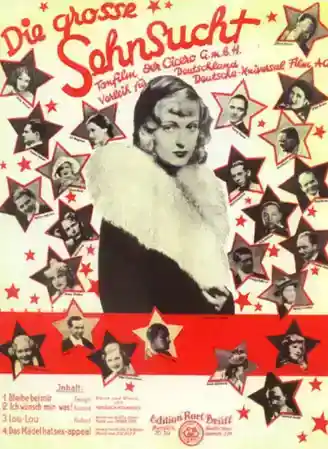
One bit that stuck with me was a party scene. Everyone's dressed up, laughing, but our protagonist still feels a bit on the outside. It's a nice contrast. You can see the glamor but also the loneliness that comes with chasing a dream. It reminded me a bit of some Hollywood films from later on, that same feeling.
The close-ups on faces are used a lot. Not just Berthe’s, but others too. It brings this intimacy to the silent performances. You really read what people are thinking, even if it's just a quick glance. 👀 This is where the actors like Paul Henckels, even in a small role, really shine. You get so much from their expressions.
The movie doesn't dwell too much on the *struggle* part, not really. It’s more about the aspiration. It feels a bit light, almost like a fairytale at times. You don't get the gritty reality you might expect from a modern film about chasing fame. This isn't one of those dark,
IMDb —
1918
Community
Log in to comment.