DbcultAccessing Vault...
Cult Review
Senior Film Conservator
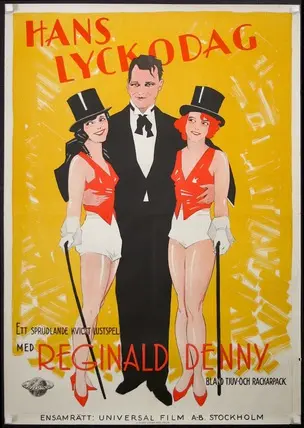
Is 'Out All Night' a forgotten gem worth digging up from the silent era's vast archives? Short answer: yes, but with significant caveats that demand a specific taste. This film offers a fascinating, if sometimes frustrating, glimpse into early cinematic comedy and the societal norms it playfully subverted.
It's a picture best suited for ardent silent film enthusiasts, cinephiles interested in the evolution of screwball comedy, and those who appreciate the raw, unpolished charm of early Hollywood. However, if you're seeking modern pacing, sophisticated humor, or a plot that holds up to intense scrutiny, 'Out All Night' is decidedly not for you.
For contemporary audiences, approaching 'Out All Night' requires a calibrated perspective. Its humor, heavily reliant on physical comedy, exaggerated expressions, and the sheer absurdity of its premise, can feel quaint. Yet, within that quaintness lies a certain undeniable charm, a testament to the foundational elements of screen comedy being forged in real-time.
This film works because it taps into a universal comedic wellspring: the battle against arbitrary rules and the chaos that ensues when personal desires clash with rigid societal or familial expectations. The central premise, while dated, provides a robust framework for physical gags and character-driven misunderstandings.
This film fails because its pacing can be uneven, and some of the comedic beats, while innovative for their time, simply don't land with the same impact today. The narrative often feels stretched thin, relying on repetitive situations rather than genuine plot progression.
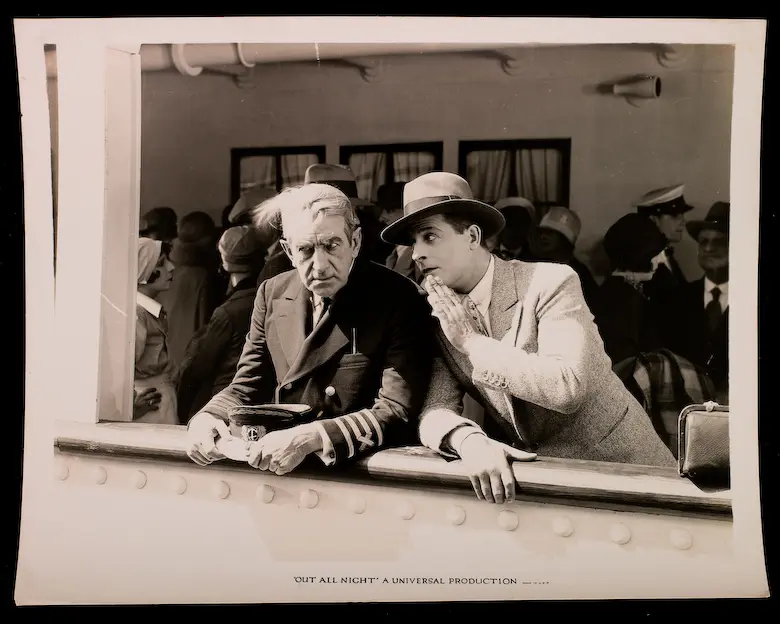
You should watch it if you are genuinely curious about the roots of cinematic comedy and appreciate the unique artistry of silent film, particularly its reliance on visual storytelling and the expressive power of its actors. It’s a historical document as much as an entertainment piece.
The core narrative of 'Out All Night' is a brilliantly simple yet utterly preposterous concept: a young man weds an actress, only to discover her uncle has already signed a contract binding her to spinsterhood. This isn't merely a misunderstanding; it's a legal, if ludicrous, impediment that throws the newly minted marriage into immediate jeopardy. The genius of this premise, for a silent comedy, lies in its inherent conflict and the fertile ground it provides for slapstick and dramatic irony.
The film doesn't waste time establishing the stakes. The audience is quickly introduced to the central dilemma: how does one navigate a marriage that, on paper, shouldn't exist? This isn't a story about falling in love; it's about fighting for the right to *stay* in love, or at least, to stay married. The 'many complications' arise from every conceivable angle – social embarrassment, legal battles, and the sheer comedic spectacle of a couple trying to prove their union's legitimacy against an archaic, binding document.
Consider the implications: a young woman's destiny dictated by a male relative's signature, overriding her own agency and marital choice. While played for laughs, this undercurrent of patriarchal control offers a subtle, perhaps unintentional, commentary on the era's gender dynamics. The humor, then, becomes a vehicle for challenging, albeit gently, these established norms. The film revels in the chaos this contract causes, pushing the boundaries of what constitutes a valid marriage and what lengths people will go to uphold or defy such decrees.
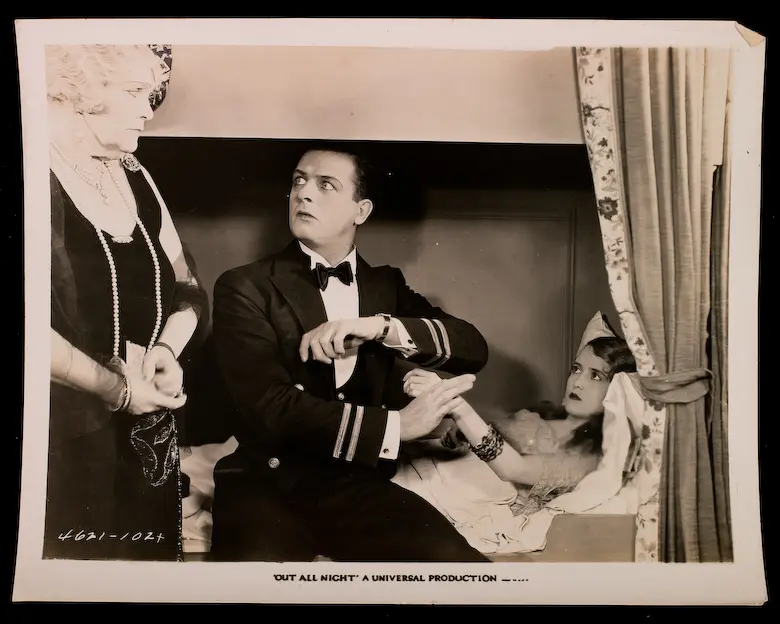
In the silent era, acting was a language of grand gestures and exaggerated expressions, and 'Out All Night' is a masterclass in this particular dialect. The cast, led by the charismatic Ben Hendricks Jr., navigates the comedic tightrope with a palpable energy that is infectious, even a century later.
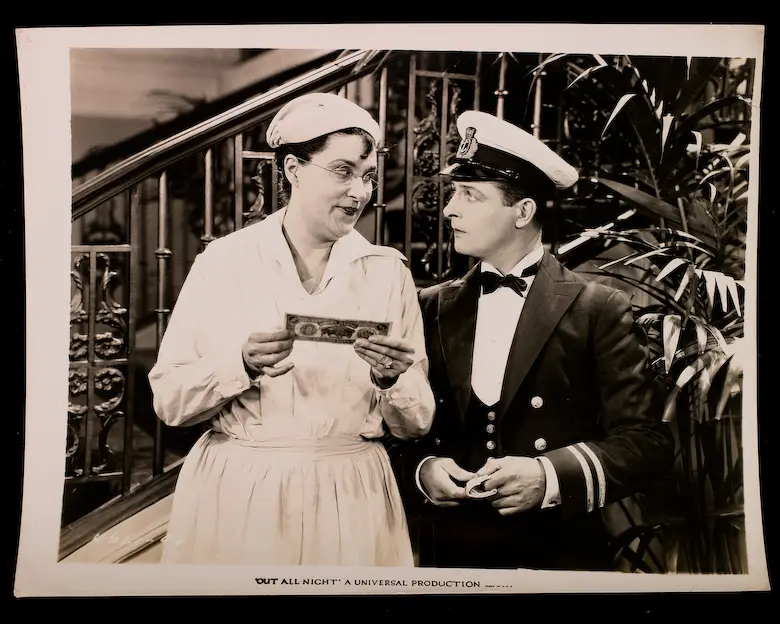
Hendricks Jr. embodies the bewildered newlywed with a physical comedic style that recalls early Keaton or Chaplin, though perhaps with less subtlety. His reactions to the unfolding absurdity are priceless, ranging from wide-eyed panic to indignant frustration, often conveyed through a simple tilt of the head or a frantic hand gesture. His character's journey from blissful ignorance to frantic problem-solver is the comedic backbone of the film.
Marian Nixon, as the actress wife, provides a delightful counterpart. Her performance is a blend of charming innocence and resilient determination. She expertly conveys the character's distress and resolve through expressive eyes and delicate body language, ensuring that her predicament resonates despite the farcical circumstances. Her ability to convey nuanced emotion without dialogue is a testament to the skill required of silent film actors.
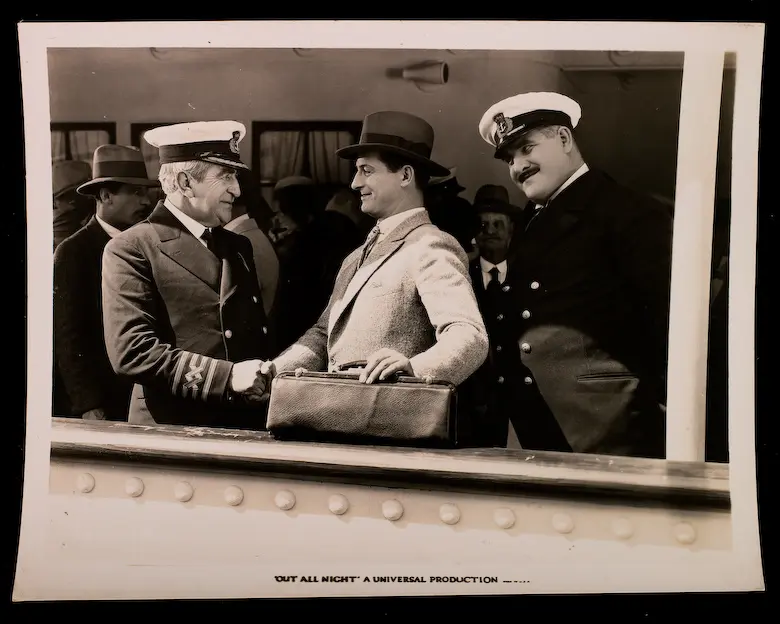
The supporting cast, including Billy Franey and Reginald Denny, contribute significantly to the film's comedic tapestry. Franey, likely in the role of the meddling uncle or a bumbling legal figure, would have employed his characteristic brand of physical humor, often serving as the catalyst for further complications. Denny, known for his dapper, often bewildered persona, would have added layers of sophisticated silliness. Their collective efforts create a dynamic ensemble, each actor understanding their role in amplifying the central comedic conflict.
One particularly memorable, albeit generalized, aspect of silent film acting is the use of 'double takes.' I imagine Hendricks Jr. or Nixon executing a series of increasingly frantic double takes as the full implications of the spinsterhood contract slowly dawn on them. This simple, yet effective, comedic device is a staple of the era and would have been employed to great effect here, building tension and laughter through repetition and escalation.
The directorial choices in 'Out All Night,' likely a collaborative effort given the multiple writers, showcase a clear understanding of silent film mechanics. The emphasis is on visual storytelling, a necessity when dialogue is absent. Directors Tom Reed and Marcel Perez, among others, would have focused on clear blocking, expressive staging, and the judicious use of intertitles to convey plot points and punchlines.
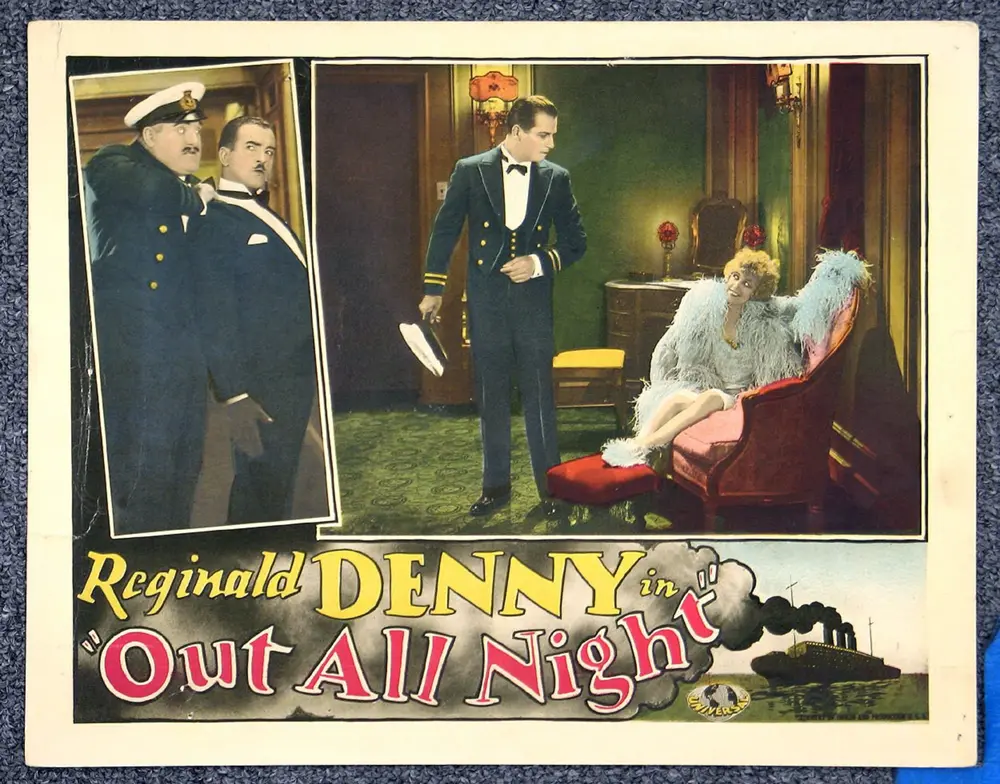
Cinematography in the silent era, while technically limited by today's standards, was nonetheless an art form. 'Out All Night' would have employed a relatively static camera, allowing the actors' physical comedy and the set design to tell the story. Close-ups would have been reserved for moments of heightened emotion or to emphasize a crucial detail, such as the signature on the infamous contract.
Lighting, too, played a critical role. The film would have likely utilized high-key lighting to ensure clarity and visibility, crucial for conveying facial expressions and physical gags. The visual language is direct, almost theatrical, mirroring the stage roots of many early filmmakers and actors. There’s a beautiful simplicity to it, a directness that modern cinema sometimes overcomplicates.
Consider a scene where the couple first learns about the contract. The camera might hold a medium shot, capturing both actors' reactions simultaneously. Then, a quick cut to a close-up of the contract itself, perhaps with a dramatic flourish as the uncle points to the offending clause. This precise sequencing, though rudimentary, was incredibly effective in guiding the audience's attention and building comedic tension.
The pacing of 'Out All Night' is likely a characteristic blend of the era's comedic rhythm: a rapid-fire succession of gags and escalating misunderstandings, punctuated by slower moments for exposition via intertitles. Silent comedies often aimed for a breathless quality, keeping the audience engaged through constant motion and visual stimulation.
The tone is undeniably lighthearted and farcical. Even with the serious implications of a voided marriage, the film never truly delves into deep drama. Its primary goal is to entertain through absurdity. This commitment to a comedic tone is crucial for the film's success, preventing it from becoming bogged down by the inherent melodrama of its premise.
However, this relentless pursuit of laughs can sometimes lead to a feeling of narrative exhaustion. Some gags might overstay their welcome, or the repetitive nature of the 'complications' could test the patience of viewers accustomed to more varied storytelling. It works. But it’s flawed.
The film's tone is a delicate balance. It needs to convey the seriousness of the contract to create stakes, yet maintain a comedic lightness to ensure it remains a farce. The shifts between these two registers, often achieved through changes in musical accompaniment (if viewed with a live score) or through the actors' shifts in expression, are key to its overall impact.
Beyond the laughs, 'Out All Night' offers a fascinating, if unintentional, peek into the social fabric of its time. The idea of an uncle having the power to bind his niece to spinsterhood speaks volumes about familial authority and women's limited autonomy in certain societal strata. The film playfully critiques these structures by turning them into the very source of its comedy.
The theme of contracts, their inviolability, and the legal gymnastics required to circumvent them, is also surprisingly relevant. It's a comedic exploration of bureaucracy and the sometimes absurd letter of the law. This resonates even today, as we often find ourselves entangled in legal or contractual obligations that defy common sense.
Another enduring theme is the resilience of love (or at least, commitment) in the face of adversity. The young couple's struggle to validate their marriage against such an outlandish obstacle is, at its heart, a story of perseverance. It’s a whimsical take on 'for better or worse,' with 'worse' being a legally binding spinsterhood clause.
The film's portrayal of an actress as a central character also offers a subtle nod to the changing roles of women in society. While still subject to patriarchal control, her profession suggests a degree of independence and public presence that was relatively new for women of the era.
'Out All Night' exists within a rich landscape of silent comedies, and while it might not achieve the iconic status of a Chaplin or Keaton feature, it shares many of their comedic sensibilities. It leans heavily on situational humor and physical gags, much like the Keystone Kops shorts or early The Jay Bird.
Its blend of marital farce and legal absurdity could draw parallels to other domestic comedies of the era, such as Young Mrs. Winthrop, though 'Out All Night' cranks the absurdity up several notches. The contract premise itself is a wonderfully unique hook that sets it apart from more conventional romantic comedies.
Unlike some of the more overtly dramatic silent films like Remorse, a Story of the Red Plague or even the action-packed Mile-a-Minute Romeo, 'Out All Night' firmly plants its feet in the realm of lighthearted escapism. It aims to make you laugh, not ponder the human condition or be thrilled by daring stunts. This focus on pure, unadulterated comedic entertainment is where its true strength lies.
“The film’s greatest triumph is its unwavering commitment to its own outlandish premise, proving that sometimes, the most ridiculous ideas yield the most enduring laughs.”
'Out All Night' is more than just a relic; it's a vibrant, if imperfect, piece of cinematic history that showcases the foundational elements of screen comedy. Its bold, outlandish premise and the energetic performances of its cast make it a worthwhile watch for those willing to engage with the silent era on its own terms. It’s a film that demands a certain generosity from its audience, but rewards that patience with genuine laughs and a fascinating window into a bygone era of filmmaking.
While it won't revolutionize your understanding of cinema or provide the nuanced character studies of later works, it serves as a delightful reminder of where it all began. For the discerning cinephile, 'Out All Night' isn't just a film; it's a conversation starter, a historical artifact, and a surprisingly relevant piece of social commentary wrapped in a farcical bow. Give it a chance, and you might just find yourself charmed by its antique antics and enduring spirit. It's not perfect, but it absolutely has its moments.
IMDb 6.4
1937
Community
Log in to comment.