DbcultAccessing Vault...
5.4/10
Senior Film Conservator
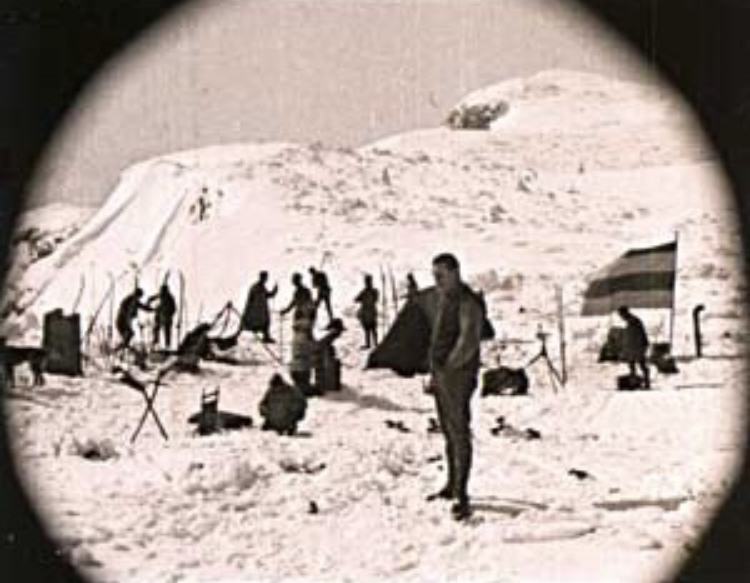
A definitive 5.4/10 rating for a film that redefined the boundaries of cult cinema. Die Lawine remains a cornerstone of transgressive art.
There are films that gently pull you into their narrative embrace, and then there are those that seize you by the collar, dragging you unceremoniously into the swirling vortex of human folly. Die Lawine, a cinematic artifact from a bygone era, unequivocally belongs to the latter category. Its German title, translating to 'The Avalanche,' is not merely a poetic flourish but a prescient metaphor for the destructive cascade of consequences unleashed by a single individual's profound moral failing. This isn't a story of grand heroics or sweeping romance; it's a stark, unflinching examination of betrayal, self-interest, and the often-unseen collateral damage left in the wake of heedless desire.
At its core, Die Lawine chronicles the ignominious journey of George Rothwill, a man who, in his pursuit of a supposedly 'carefree' existence, orchestrates a spectacular implosion of his own life and, more tragically, the lives of those dependent upon him. His abandonment of his wife, Nora, and their son for the dancer Kitty is not just a plot point; it's the seismic event that triggers the titular avalanche. It's a decision so fundamentally selfish, so devoid of empathy, that it immediately positions George not as a flawed protagonist, but as a cautionary figure, an emblem of unchecked avarice and a chilling disregard for familial sanctity. The film, penned by Ladislaus Vajda, doesn't shy away from depicting the ugliness of this choice, nor does it offer easy absolution. Instead, it forces us to confront the uncomfortable truth that sometimes, individuals choose paths of utter moral degradation, believing, perhaps delusionally, that they can outrun the gravitational pull of their responsibilities.
While the specific directorial hand guiding this particular cinematic endeavor might be lost to the mists of time for many modern viewers, the impact of its narrative structure and characterizations remains potent. Victor Varconi, in the role of George Rothwill, must have faced the considerable challenge of embodying a character so inherently unlikeable, yet compelling enough to sustain the audience's gaze. His portrayal, even if only through the lens of historical context, likely navigated the delicate balance between depicting George's initial charm and his eventual, undeniable depravity. One can imagine Varconi crafting a performance that subtly hints at the rot beneath the surface, allowing George's true nature to slowly, horrifyingly, reveal itself as he squanders not only his family's emotional security but also his own aging mother's financial well-being on his new conquest.
The women of Die Lawine – Lilly Marischka as Nora, the abandoned wife, and Gretel Marischka (likely playing Kitty, or a significant female role given the context of the Marischka family in Austrian cinema) – are crucial anchors in this tempestuous narrative. Lilly Marischka’s Nora, in particular, would have borne the emotional brunt of George’s betrayal. Her performance, even without the benefit of spoken dialogue in what was likely a silent or early sound film, would have had to convey profound sorrow, resilience, and perhaps a quiet strength in the face of overwhelming adversity. This is where the power of early cinema truly shines: the ability of actors to communicate complex internal states through gesture, facial expression, and physical presence. One might draw a parallel to the intense emotional portrayals seen in dramas like The Face at the Window, where the weight of circumstance often falls heavily on the shoulders of the female leads, demanding a nuanced and deeply felt performance.
The supporting cast, including Trude Keul, Mary Kid, Walter Marischka, and Mathilde Danegger, would have collectively painted the societal backdrop against which George’s moral decay unfolds. Their presence, whether as disapproving observers, silent sufferers, or perhaps even unwitting enablers, adds layers to the film's exploration of responsibility and community. Ladislaus Vajda’s screenplay, a masterclass in concise yet impactful storytelling, ensures that no character feels superfluous, each contributing to the inexorable march towards George’s comeuppance.
The central theme of Die Lawine is undeniably the corrosive power of selfishness and the inevitable, often devastating, consequences that follow. George Rothwill’s actions are not merely misguided; they are ethically reprehensible. The abandonment of his family is compounded by the financial exploitation of his own mother, demonstrating a profound lack of moral compass. This isn't just about love lost; it's about the shattering of trust, the desecration of familial bonds, and the squandering of inherited responsibility. It's a narrative that resonates with the timeless adage that one cannot escape the repercussions of their deeds, a sentiment echoed in many morality plays throughout cinematic history. One might find a thematic kinship with films like Samhällets dom (Societal Judgment), which often explore the harsh reckoning society imposes on those who transgress its unspoken rules.
The film’s exploration of the 'carefree' life George seeks is particularly poignant. It's a freedom bought at an exorbitant price, one paid by others, and ultimately, one that proves illusory. The fleeting pleasures derived from Kitty’s company and his mother’s stolen money are presented as transient, hollow victories. The narrative implicitly, if not explicitly, suggests that true contentment cannot be built upon a foundation of deceit and abandonment. This contrasts sharply with narratives that celebrate genuine personal liberation, such as the grand, sweeping ambition seen in a film like Napoleon, where the pursuit of power, while complex, is driven by a different kind of vision, however flawed. George's vision is myopic, focused solely on immediate gratification.
Kitty, the dancer, represents the siren call of a life unburdened by domesticity, a vibrant counterpoint to the quiet suffering of Nora. While her character might not be explicitly villainous, she is the catalyst for George's downfall, the object of his misguided desire. The film, in its depiction of their relationship, likely paints a picture of superficiality, contrasting the dazzling but ultimately shallow world of entertainment with the deeper, more meaningful bonds George so readily discards. This dynamic is a classic trope, one that can be seen in various forms across cinematic history, from the tragic allure in The Springtime of Life to the more cynical perspectives on romance in a film potentially titled Love Is an Awful Thing. Die Lawine uses Kitty not as a moral judgment on dancers, but as a symbol of the fleeting, material pleasures that George prioritizes over enduring love and duty.
The squandering of his mother's money adds another layer of reprehensibility to George's character. This act of filial impiety is perhaps even more egregious than the abandonment of his wife, as it preys upon the vulnerability and trust of an elderly parent. It highlights a complete breakdown of moral fiber, suggesting that George's selfishness knows no bounds. This particular aspect of the plot delves into a darker corner of human nature, where greed overrides even the most fundamental societal and familial obligations. It’s a stark reminder that some acts carry an almost insurmountable moral debt, much like the desperate measures seen in films centered around survival or moral compromise, though perhaps less overtly physical than the challenges faced in, say, Riders of the Purple Sage, but equally devastating in their emotional toll.
Even without the visual splendor of modern cinematography or the intricate soundscapes of contemporary films, Die Lawine, through its potent narrative and characterizations, likely left an indelible mark on audiences of its time. It’s a testament to the power of storytelling that such a stark moral drama can transcend generations, its themes of betrayal, consequence, and the search for genuine happiness remaining profoundly relevant. The film serves as a powerful reminder that while the trappings of society may change, the fundamental struggles of the human heart and the ethical dilemmas we face are eternal.
In an era where personal freedom is often championed, Die Lawine offers a sobering counter-narrative, questioning the true cost of unbridled self-interest. It forces us to consider where the line between personal desire and societal responsibility lies, and what happens when that line is not only crossed but obliterated. Comparisons to films like The Third Generation, which might explore generational impacts of choices, or even Cheating Herself, which likely delves into personal deception, highlight the enduring fascination with characters grappling with moral quandaries. The film doesn't just present a story; it presents a moral challenge to its audience, asking them to reflect on their own values and the delicate fabric of human relationships.
The craft involved in bringing such a story to life during the nascent stages of cinema is also worth noting. The reliance on visual storytelling, the nuanced performances required to convey complex emotions without dialogue, and the structural integrity of the plot by Ladislaus Vajda are all hallmarks of a well-made film, regardless of its vintage. While we might not have the vibrant colors of a Kodachrome Two-Color Test Shots No. III, the emotional palette of Die Lawine is rich and deeply affecting.
Ultimately, Die Lawine is more than just a period piece; it's a timeless cautionary tale. It reminds us that our actions, especially those born of selfishness and disregard for others, rarely exist in a vacuum. Like an avalanche, they gather momentum, sweeping away not just the perpetrator but also innocent bystanders caught in their path. George Rothwill’s pursuit of a 'carefree' life ironically leads him down a path burdened by the heaviest of moral weights. It’s a powerful testament to the idea that true freedom is often found not in the absence of responsibility, but in its honorable embrace.
For those who appreciate cinema that delves into the darker recesses of the human psyche, that challenges conventional notions of happiness and success, Die Lawine remains a compelling and thought-provoking experience. It's a film that leaves you pondering the true cost of choices, long after the final frame has faded to black. A compelling drama that, despite its age, speaks volumes about the enduring human condition.
IMDb —
1924
Community
Log in to comment.