DbcultAccessing Vault...
Cult Review
Senior Film Conservator
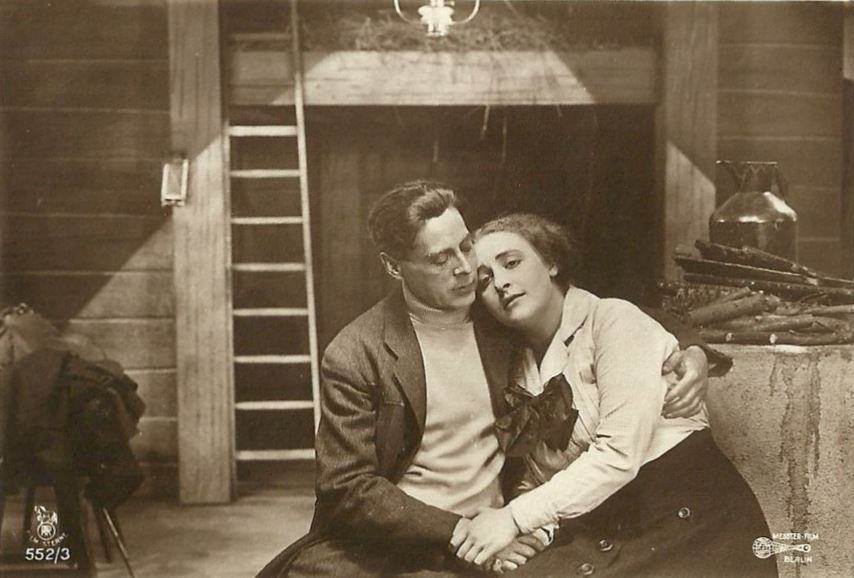
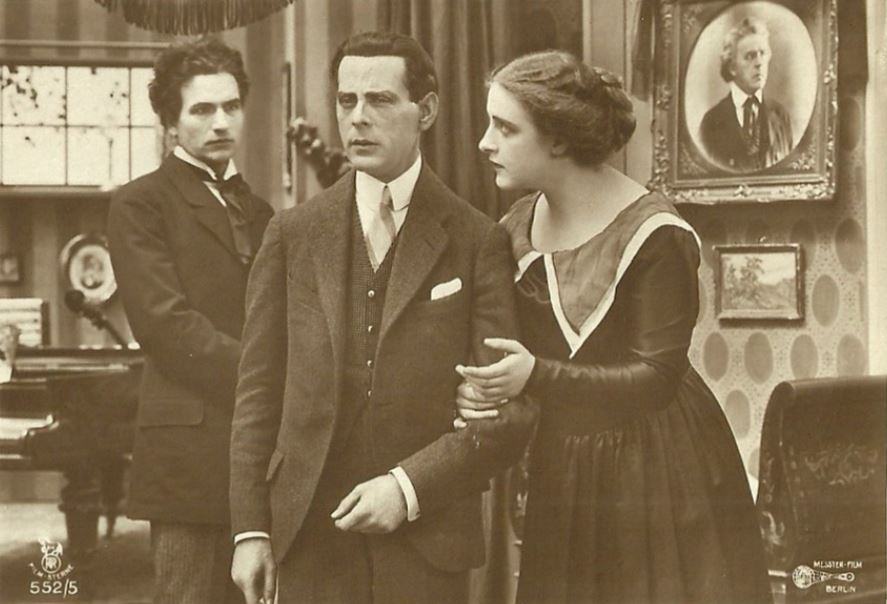
Die Sieger (1920), the enigmatic silent film from German director Felix Philippi, lingers in the mind like a half-remembered dream—beautiful, unsettling, and brimming with unspoken truths. A century after its release, the film’s exploration of post-war disillusionment feels both archaic and prescient, its themes of fractured morality and societal reinvention echoing through the corridors of modern cinema. With Henny Porten delivering a performance that merges fragility and defiance, the film transcends its era, offering a lens through which to examine the cyclical nature of human conflict.
Set in an unnamed industrial city (a deliberate choice, perhaps, to universalize its message), the narrative unfolds in three acts that mirror the structure of a Greek tragedy. The first, a study in capitalist excess, follows Arthur Bergen’s character, a factory owner whose rapid accumulation of wealth masks a growing existential void. His interactions with Bruno Decarli’s idealistic union organizer form the film’s emotional core, a push-pull dynamic that plays out like a dance of equals—until the music stops.
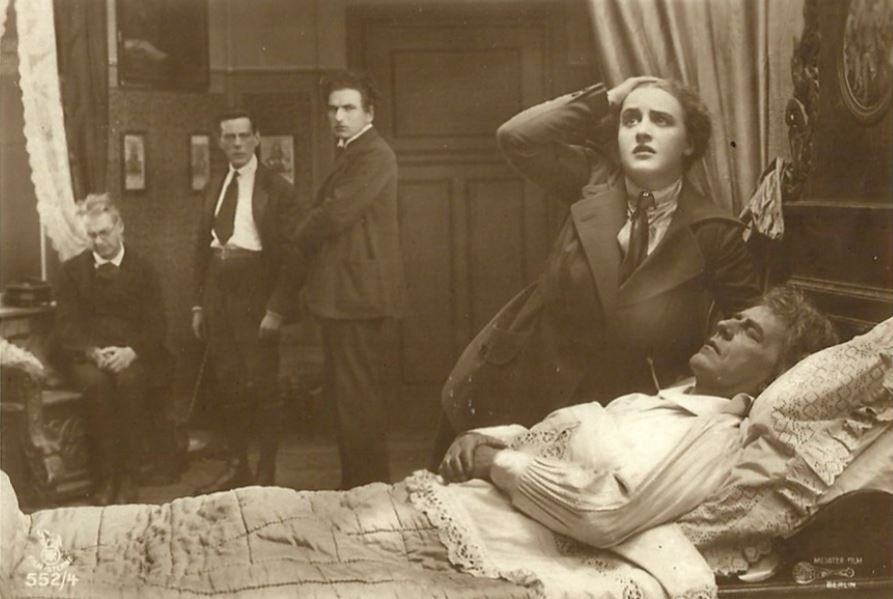
Philippi’s visual language is as audacious as it is restrained. In one sequence, a factory’s skeletal frame is bathed in harsh light, its steel beams jutting like the ribs of a defeated beast. This imagery, reminiscent of the Expressionist movement but predating its mainstream embrace, suggests a civilization held together by fragile scaffolding. The use of negative space in these shots is particularly striking: workers are often positioned at the film’s margins, their faces obscured by shadows, symbolizing the anonymity of labor in the machinery of progress.
The film’s structure defies conventional narrative flow, instead opting for a series of vignettes that accumulate into a cohesive meditation on power and its disintegration. One standout segment—a wordless exchange between Porten and Rudolf Biebrach—achieves a level of emotional resonance rarely seen in early cinema. Their silent confrontation, framed within a claustrophobic room whose windows frame a stormy sky, speaks volumes about the futility of communication in times of crisis. For modern viewers, this scene evokes parallels with the works of contemporaries like The Terror, though Philippi’s approach is more introspective, focusing on internal rather than external chaos.
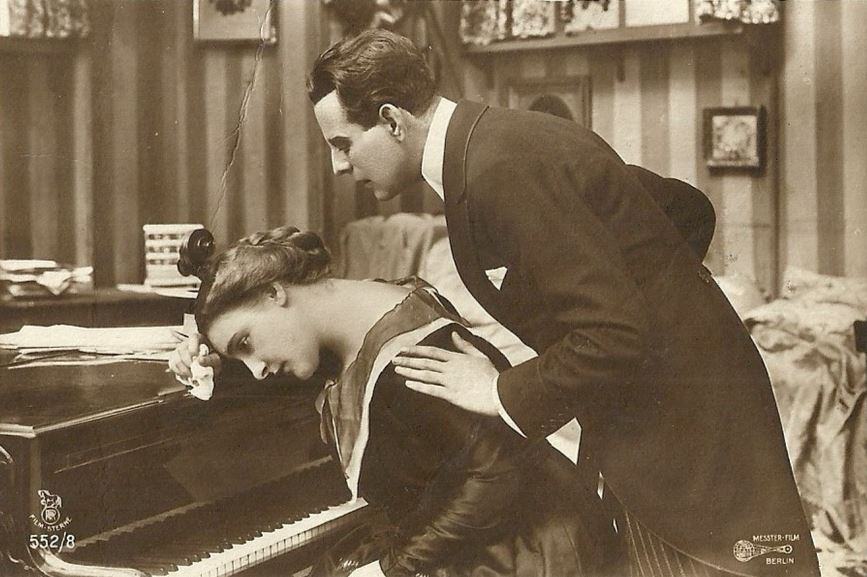
The score, though minimal, is a revelation. When music does appear—most notably during a sequence of collapsing factory equipment—it swells with a mournful grandeur that elevates the scene beyond mere spectacle. This aural restraint contrasts sharply with the visual cacophony of machinery and crowds, creating a dissonance that mirrors the film’s thematic concerns. The absence of intertitles in several key moments forces the audience to rely on body language and expression, a technique that, while risky, pays off in the final act where Henny Porten’s character delivers a monologue that is pure physical theater.
Comparisons to The Wax Model are inevitable, given both films' preoccupation with identity and transformation. Yet Die Sieger distinguishes itself through its unflinching examination of industrialization’s human toll. A sequence in which workers march through a burning field of crops—shot in a single, unbroken take—calls to mind the imagery of Morgan’s Raiders, but with a more deliberate pacing that allows the horror of the scene to sink in. This is not a film that seeks to entertain; it is one that demands to be witnessed.
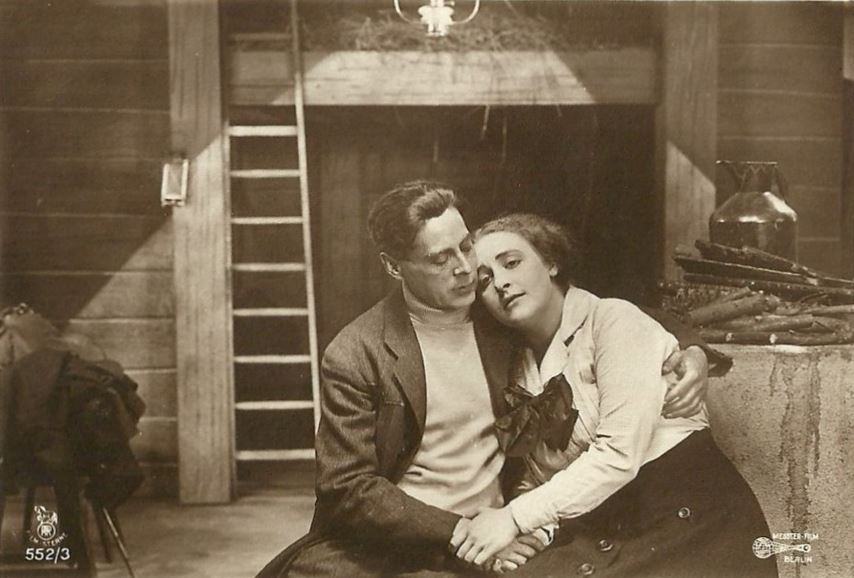
The film’s color palette, though limited to the sepia tones of the era, is used masterfully. Dull grays dominate, punctuated by flashes of red in Porten’s costumes—a visual motif that evolves throughout the film. Early on, the red is vibrant, symbolizing hope and vitality; by the climax, it has faded to a rust-like hue, mirroring the erosion of her character’s ideals. This subtle use of color as a narrative device is ahead of its time, anticipating the techniques of later directors like F.W. Murnau.
One cannot discuss Die Sieger without acknowledging its historical context. Produced in the aftermath of World War I, the film reflects a national psyche in transition. The Weimar Republic’s social experimentation and artistic flourishing are palpable in every frame, from the angular set designs to the bold camera angles. Yet beneath this modernist surface lies a deep conservatism, particularly in the treatment of female agency. Porten’s character, while complex, ultimately embodies the era’s conflicted view of women—as both harbingers of moral stability and victims of patriarchal systems.
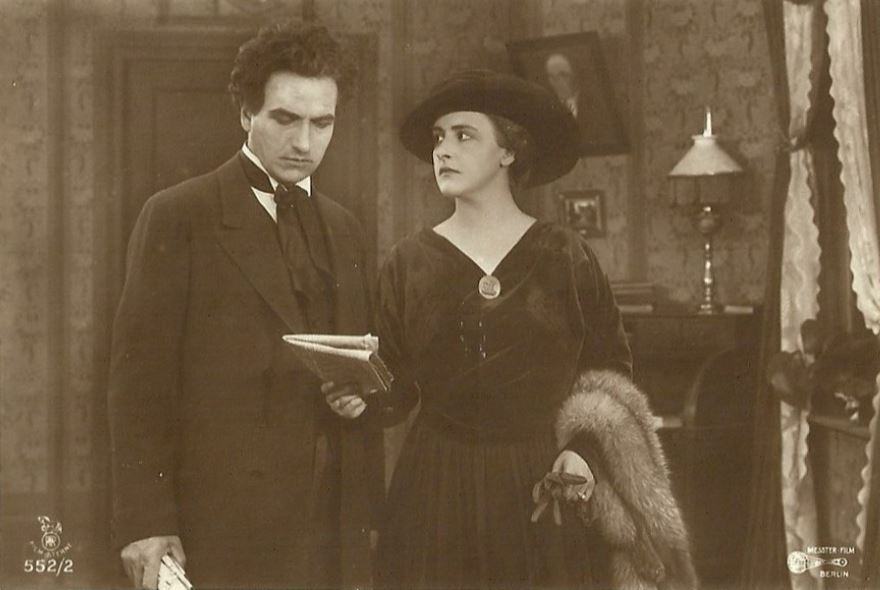
The film’s final moments are its most controversial. In a departure from the linear storytelling, Philippi cuts abruptly to a scene of children playing in the ruins of the factory, their laughter echoing as the screen fades to black. This jarring shift, much like the sudden violence in The Sins of the Mothers, leaves the audience with more questions than answers. Is this a hopeful image of renewal, or a cynical commentary on the futility of rebuilding? The ambiguity is deliberate, a testament to Philippi’s refusal to offer easy resolutions.
Technically, Die Sieger is a marvel of early cinema. The use of deep focus in a scene where Porten walks through a crowded market—one of the film’s few overtly comedic moments—is stunning, capturing the chaos of everyday life with a clarity that rivals later works. The editing, while occasionally abrupt, contributes to the film’s restless energy, a visual counterpart to the narrative’s thematic turbulence.
For modern audiences, the lack of subtitles may be a barrier, but this is also part of the film’s power. The absence of written text forces viewers to engage more deeply with the visual storytelling, a practice that has seen a resurgence in recent silent film revivals. The film’s pacing, deliberate and thoughtful, contrasts sharply with contemporary cinema’s obsession with rapid cuts and digital effects, offering a refreshing reminder of the medium’s foundational strengths.
In conclusion, Die Sieger is a film that rewards patience and rewards curiosity. Its exploration of power, identity, and societal transformation remains startlingly relevant, its questions about the cost of progress still pressing in our age of political polarization and environmental crisis. While it may not be as technically polished as some of its contemporaries, its raw emotional power and intellectual ambition place it among the most significant works of German silent cinema. For those willing to brave its challenges, this is a film that lingers long after the screen fades to black.
IMDb 7
1931
Community
Log in to comment.