DbcultAccessing Vault...
Cult Review
Senior Film Conservator
Short answer: Yes, but it’s a film that requires a discerning eye and a willingness to explore themes of cultural clash and personal identity.
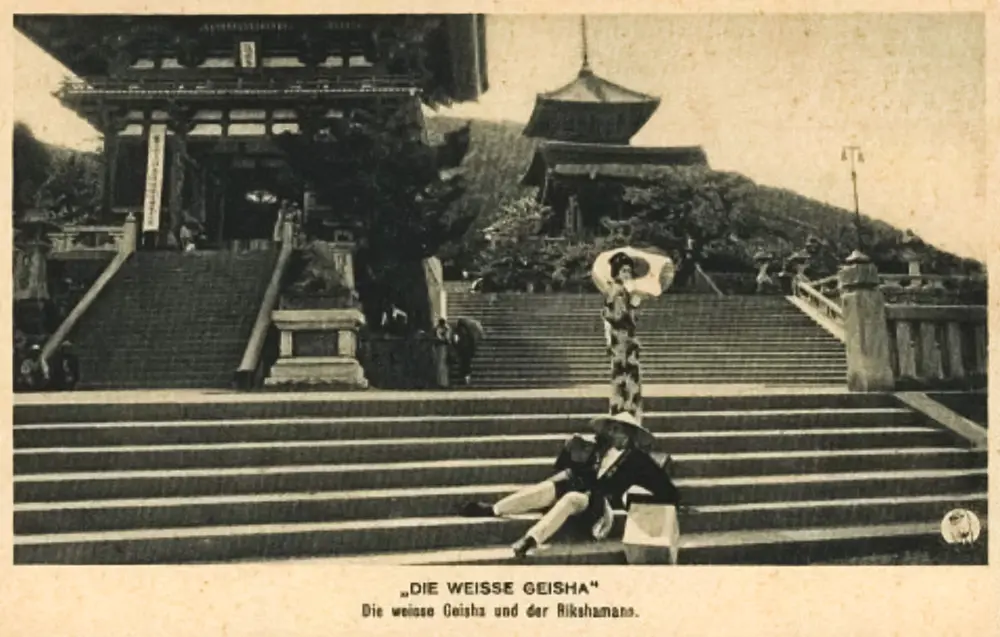
Die weisse Geisha, directed by Alf Sjöman and starring Irene Ambrus, is a Swedish film from 1956. The plot revolves around Johan, a European engineer who travels to Asia to purchase potentially lucrative mines. Instead, he falls in love with a local geisha named Yuki. The film is a rich tapestry of cultural contrasts and personal growth.
This film works because: Its exploration of cultural differences and the impact of Western values on a traditional society is both poignant and thought-provoking. The performances by Irene Ambrus and Loo Holl are particularly strong, adding depth to the characters.
This film fails because: The pacing at times feels slow, and the narrative can be predictable. The film's reliance on broad cultural stereotypes can be off-putting to modern viewers.
You should watch it if: You are interested in exploring the complexities of cultural interaction and personal identity. The film offers a unique glimpse into early 20th-century Japan and the challenges faced by individuals caught between two worlds.
Die weisse Geisha is a film that benefits from a certain level of historical and cultural context. While it might not be a cinematic masterpiece, it offers a compelling exploration of personal and cultural boundaries. The film's strength lies in its nuanced portrayal of characters and their struggles. However, the slow pace and predictable plot can make it a challenging watch for some viewers.
The standout performances in Die weisse Geisha are those of Irene Ambrus and Loo Holl. Ambrus plays Yuki with a delicate mix of innocence and strength, while Holl brings a nuanced complexity to Johan. Their chemistry is palpable, making their on-screen relationship feel genuine and compelling. However, other supporting actors struggle to bring the same level of depth to their roles, which can detract from the overall impact of the film.
Alf Sjöman's direction is thoughtful and restrained. He effectively uses the exotic setting of Japan to enhance the film's atmosphere, but the pacing can be slow at times. The film benefits from its slow build-up, which allows the characters to develop organically. However, this method can also make the narrative feel drawn out, especially in the middle sections.
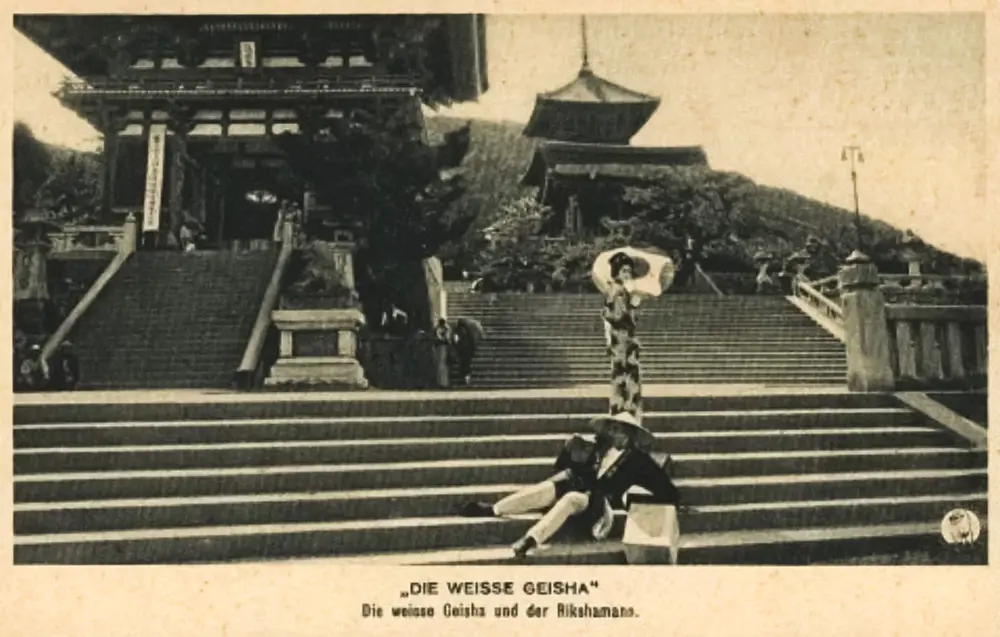
The cinematography by Rune Johansen is a standout element of the film. The use of long takes and careful framing creates a sense of authenticity and beauty. The scenes in Japan are particularly striking, with lush landscapes and vibrant colors that enhance the film's cultural setting. However, the cinematography can sometimes feel overly stylized, which can be distracting.
The pacing of Die weisse Geisha is one of its major strengths. The film takes its time to build its characters and settings, which allows for a deep exploration of the cultural differences at play. However, this slow pace can also be a double-edged sword. While it allows for a rich character study, it can also make the film feel less engaging for viewers who prefer a more action-packed narrative.
The tone of the film is largely serious and reflective. The film's exploration of cultural clashes and personal identity is handled with a certain gravity, which can be both a strength and a weakness. On one hand, it lends the film a sense of importance and depth. On the other hand, it can make it feel somewhat heavy-handed at times.
Die weisse Geisha bears some similarities to other films set in Asia, such as La drapaire. Both films explore the impact of Western values on traditional societies, but Die weisse Geisha does so with a more nuanced and character-driven approach. It is less focused on action and more on cultural exploration, making it a more introspective film.
Die weisse Geisha is a film that requires a certain level of patience and an interest in cultural exploration. While it may not be the most engaging or fast-paced film, it offers a unique and thought-provoking look at the complexities of personal and cultural boundaries. If you are willing to invest time in character development and cultural studies, it is definitely worth watching.
Die weisse Geisha is a film that benefits from its historical and cultural context. While it may not be for everyone, it offers a compelling exploration of personal and cultural boundaries. The performances and cinematography are strong, but the slow pacing and reliance on cultural stereotypes can be off-putting. If you are interested in character-driven dramas and cultural exploration, it is definitely worth watching. However, if you prefer fast-paced thrillers or films with more conventional narratives, it may not be the best choice.
IMDb —
1919
Community
Log in to comment.