DbcultAccessing Vault...
4.3/10
Senior Film Conservator
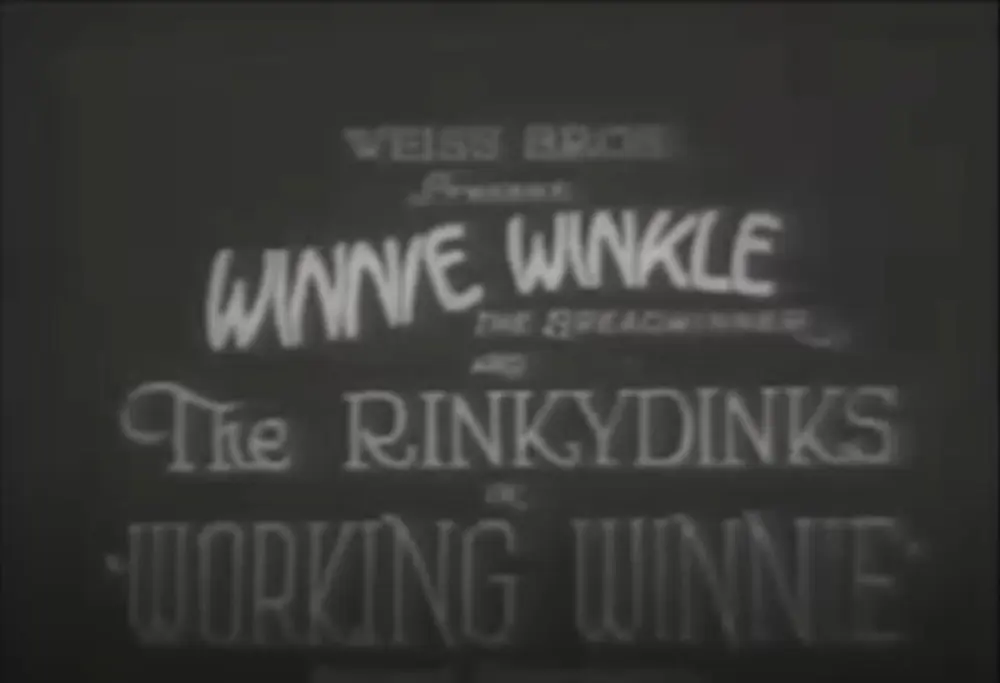
A definitive 4.3/10 rating for a film that redefined the boundaries of cult cinema. Working Winnie remains a cornerstone of transgressive art.
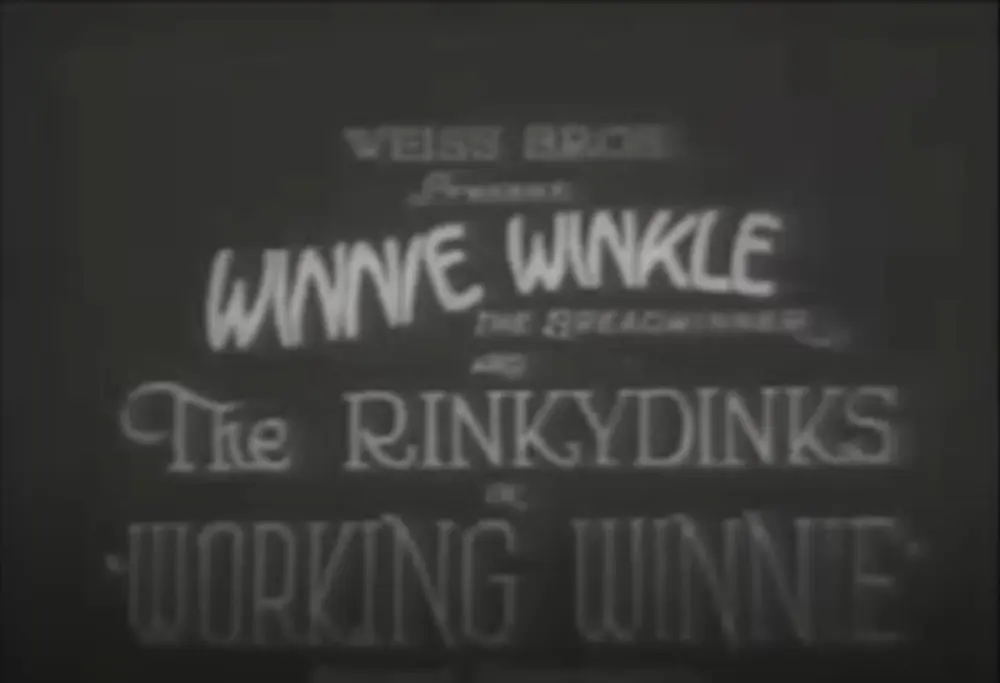
Is Working Winnie worth watching today? Short answer: yes, but only if you have a high tolerance for the relentless, high-decibel energy of 1920s domestic slapstick.
This film is for fans of early comic strip adaptations and those who enjoy seeing social etiquette dismantled by sheer incompetence. It is not for viewers who require a sophisticated plot or a break from the constant visual noise of child-driven chaos.
1) This film works because it perfectly captures the relatable anxiety of trying to maintain a professional veneer while your family acts as a one-unit wrecking crew.
2) This film fails because the second half relies too heavily on the repetitive antics of the younger brother’s friends, which eventually grates on the nerves.
3) You should watch it if you want to see how the 'Working Girl' archetype was handled before the talkies added more cynical layers to the trope.
Working Winnie is a fascinating artifact from the mid-20s, specifically because it leans so heavily into the 'Winnie Winkle' comic strip DNA. Unlike the more surreal humor found in The Barnyard, this short stays grounded in the urban middle-class struggle. The opening sequence, showing Winnie’s transition from office fatigue to the pressure of a social invitation, feels surprisingly modern. We’ve all been there—exhausted from the clock, yet forced to put on a smile for a 'fun' evening.
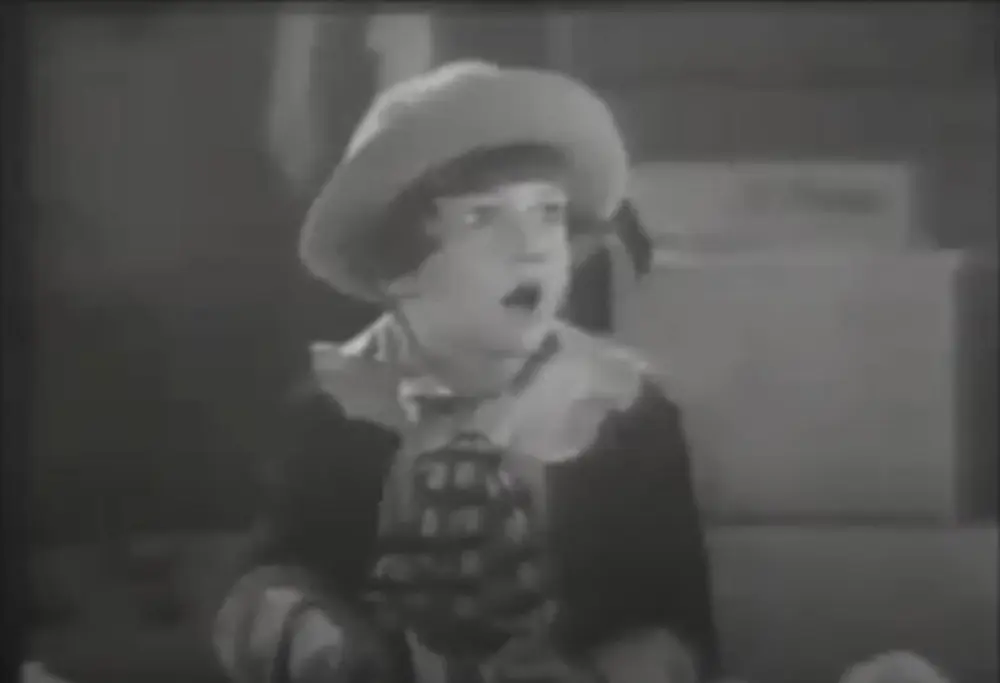
The direction by Edward Ludwig is functional but effective. He understands that the comedy isn't just in the failure of the dinner party, but in the anticipation of that failure. When Winnie’s father enters the frame, looking like he’s wearing a tuxedo for the first time in his life, the audience knows exactly where this is going. It’s a slow-motion car crash involving soup and social standing.
One specific scene involving the father trying to navigate a complex table setting stands out. It isn't just about him being 'gauche.' It’s about the visible sweat on his brow as he tries to please Winnie while fundamentally being out of his element. This touch of humanity makes the slapstick feel less like a cartoon and more like a tragedy disguised as a joke.
While Ethelyn Gibson provides the emotional anchor, the energy is driven by Junior Johnston and his cohort of mischievous friends. This is where the film tests the viewer’s patience. In many ways, their antics mirror the kind of unbridled destruction seen in Monkeying Around. They aren't just kids being kids; they are agents of pure entropy.
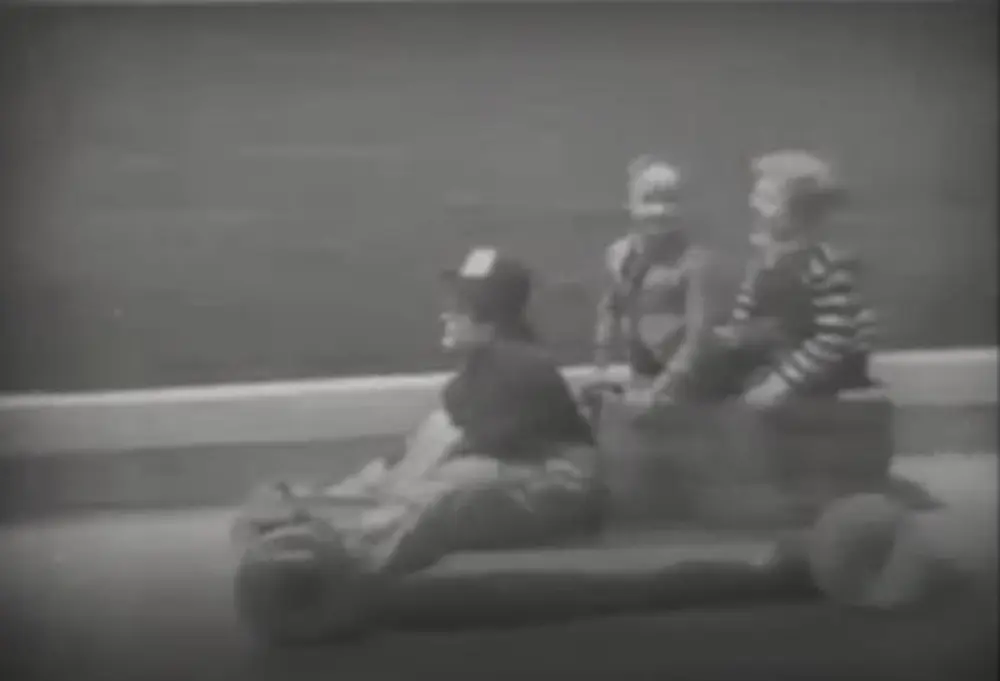
There is a moment mid-dinner where a prank involving a hidden string and a serving platter goes predictably wrong. While the physical comedy is executed with precision—typical of the era—it feels a bit detached from the main conflict. The film is at its best when it focuses on Winnie’s internal panic, rather than the external mess made by the children. But that’s the nature of the silent short; you have to fill the reel with action.
The pacing is breakneck. Ludwig doesn't allow the audience to breathe. As soon as one disaster is averted (or more likely, ignored), another begins. This makes Working Winnie feel much shorter than its runtime, which is a compliment to its editing. It lacks the experimental flair of something like Les gaz mortels, but it understands its commercial goal perfectly: keep the audience laughing at the absurdity of domestic life.
Ethelyn Gibson was a staple of these adaptations, and for good reason. She has a face that can convey 'I am five seconds away from a nervous breakdown' with incredible clarity. In the 1920s, the 'Working Girl' was a symbol of independence, but Working Winnie reminds us that this independence often came with the heavy baggage of supporting a dysfunctional family. Gibson plays this balance well.
Ray Erlenborn and Billy Bassette provide the necessary foils. Bassette, as the father, is particularly good at playing the 'lovable oaf' without making him entirely unlikable. You root for him even as he ruins Winnie’s chances of social climbing. It’s a nuanced performance for a slapstick short. It’s certainly more grounded than the caricatures seen in Tut! Tut! King.
The supporting cast of kids, however, can be a bit much. Their performances are loud—even in a silent film. They represent a style of acting that has aged the most poorly, relying on wide-eyed mugging and exaggerated gestures. It works for the genre, but it lacks the subtlety Gibson brings to the lead role.
Visually, Working Winnie is standard for its time, but it uses its limited sets effectively. The contrast between the cramped office and the more spacious (yet claustrophobic) dinner party venue tells its own story about class aspirations. The cinematography doesn't take many risks, but the framing of the dinner table is clever, ensuring that we always see Winnie’s reaction in the background while the foreground dissolves into chaos.
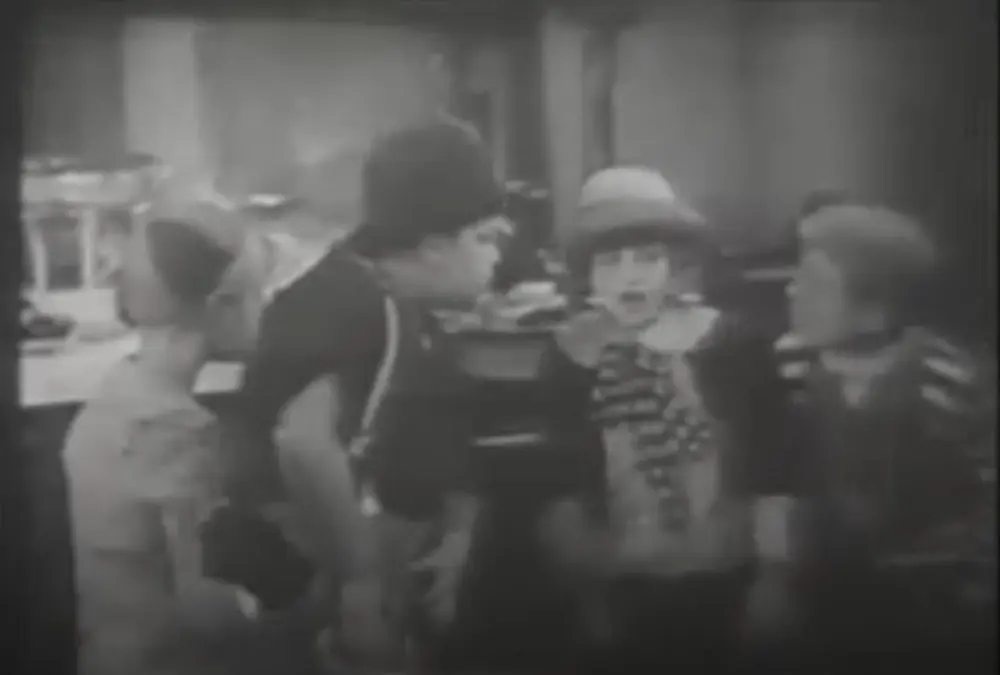
The film relies heavily on intertitles to convey the father’s bumbling dialogue, which is a bit of a crutch. A better film would have let the visuals do more of the heavy lifting. Compared to the visual inventiveness of His New Papa, Working Winnie feels a bit more traditional, perhaps even a bit safe. But safety is what the audience wanted from their comic strip favorites.
The lighting is flat, typical of early indoor shoots, but it serves the comedy. You don't want shadows in a slapstick routine; you want to see every spilled drop of soup and every tripped-over rug. In that regard, the film is a success. It’s clean, legible, and direct.
Yes, Working Winnie is worth watching for anyone interested in the history of the American sitcom. While it predates television, the structure—a working professional trying to manage a chaotic family—is the blueprint for decades of TV comedy. It is a fast-paced, albeit occasionally annoying, example of how silent cinema captured the stresses of the 1920s middle class.
Pros:
Cons:
Working Winnie is a punchy, frantic, and ultimately charming slice of 1920s life. It isn't a high-art masterpiece like some of its contemporaries, but it doesn't try to be. It’s a blue-collar comedy about the impossibility of escaping your roots, even when you’re wearing your best dress. It works. But it’s flawed. The chaos is the point, even if that chaos occasionally threatens to overwhelm the viewer. If you can handle the kids, you'll find a lot to love in Winnie's struggle for a quiet dinner.
IMDb —
1927
Community
Log in to comment.