DbcultAccessing Vault...
6.4/10
Senior Film Conservator
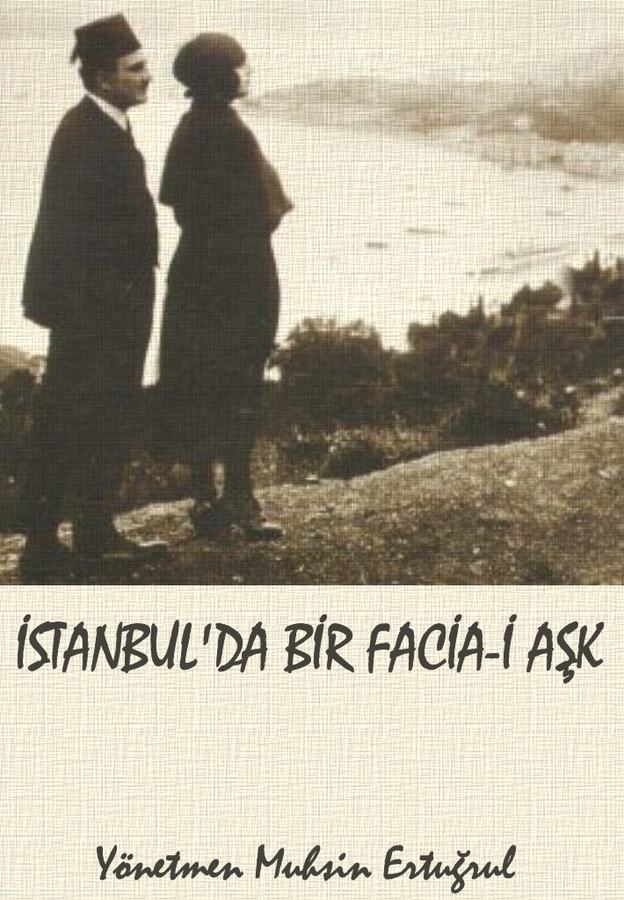
A definitive 6.4/10 rating for a film that redefined the boundaries of cult cinema. Istanbul'da Bir Facia-i Ask remains a cornerstone of transgressive art.
The year 1922 represents a seismic pivot in the history of the Near East, a time when the Ottoman shadow was receding and the modern Turkish identity was being forged in the crucible of occupation and resistance. Amidst this geopolitical friction, Muhsin Ertuğrul, the indomitable architect of Turkish theater and cinema, delivered Istanbul'da Bir Facia-i Ask (A Tragedy of Love in Istanbul). This film is not merely a relic of a bygone era; it is a visceral document of a city in flux, utilizing the tropes of the grand guignol and the Victorian melodrama to articulate a specifically Levantine anxiety.
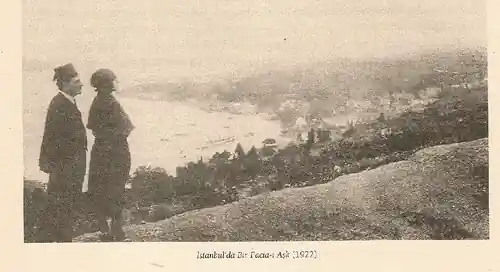
To view this film today is to engage with a haunting. The grainy, flickering frames capture an Istanbul that no longer exists—a city of wooden mansions, sharp social stratifications, and a palpable sense of fin-de-siècle exhaustion. Unlike the more sanitized romances of its contemporary Western counterparts, such as the lighthearted social maneuvering seen in The Social Secretary, Ertuğrul’s work is drenched in a heavy, almost suffocating fatalism.

The plot’s engine is Kemal’s refusal to accept the finality of a breakup. In a move that predates the psychological thrillers of the mid-20th century, Kemal’s transformation from lover to servant is a masterstroke of narrative tension. By placing himself in the domestic sphere of Mediha and her new partner, he becomes an invisible observer, a phantom in the hallways of Şişli. This dynamic creates a claustrophobic atmosphere that rivals the moral weight found in Thou Shalt Not, though Ertuğrul swaps religious guilt for the raw, unadulterated pain of class displacement.
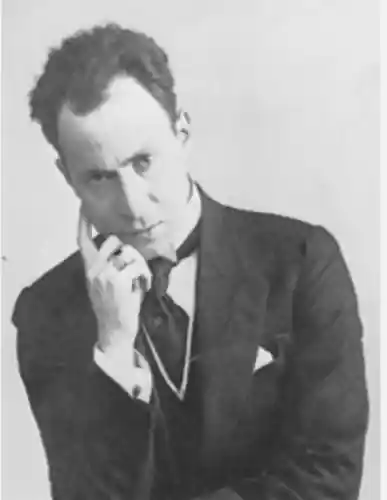
Behzat Haki Butak delivers a performance that is remarkably restrained for the silent era. While many actors of the period relied on the histrionics common in films like Frenzied Film, Butak conveys a simmering resentment that feels startlingly modern. The way his eyes follow Mediha—played with a delicate, doomed grace by the ensemble cast—suggests a man whose love has become a form of madness. It is a study in the degradation of the male ego, set against a society that was itself losing its traditional moorings.
The pivot point of the film—the murder of Mediha and the subsequent amnesia of her boyfriend—elevates the story from a simple crime of passion to an ontological inquiry. Amnesia in cinema often serves as a convenient plot device, as seen in the more whimsical Molly and I. However, in Istanbul'da Bir Facia-i Ask, the loss of memory feels symbolic of the collective trauma of the Armistice years. The boyfriend’s inability to recall the violence he witnessed mirrors a city trying to forget its imperial past while grappling with the scars of the present.
The cinematography, though limited by the technical constraints of the early 1920s, manages to evoke a sense of dread through its use of shadow. The interior of the house becomes a labyrinth where the truth is obscured by both physical and mental veils. This visual language shares a certain DNA with the emotional gravity of Maternità, yet it is uniquely rooted in the Turkish landscape. The streets of Istanbul are not just backdrops; they are silent witnesses to the unraveling of these lives.
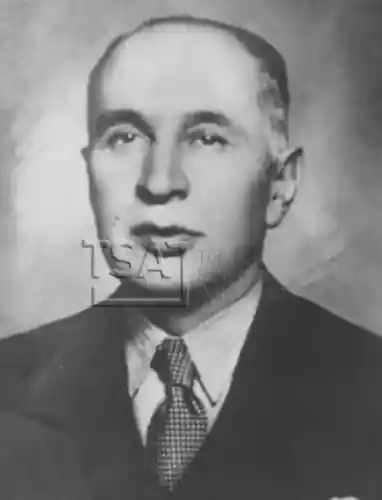
One cannot discuss this film without acknowledging the pedigree of its cast. These were the titans of the Darülbedayi (the Ottoman Imperial Theater), and their transition to the silver screen was a monumental cultural event. Vasfi Rıza Zobu and Talat Artemel bring a theatrical weight to their roles, ensuring that even the most melodramatic beats land with emotional authenticity. The presence of actors like Aznif Minakyan and Vahram Papazyan highlights the multicultural tapestry of the Istanbul arts scene at the time, a diversity that would soon face the pressures of burgeoning nationalism.
When compared to the rhythmic, almost choreographic nature of On with the Dance, Ertuğrul’s direction is more static, yet more intentional. He allows the camera to linger on faces, capturing the micro-expressions of grief and confusion. This isn't the rapid-fire editing of the Soviet school; it is a cinema of presence, influenced by the stage but finding its own language in the stillness of the frame.
It is easy to criticize the pacing or the occasional narrative jumps in a film over a century old. Yes, the transitions can be jarring, and some plot points feel truncated. But these flaws are overshadowed by the sheer ambition of the project. To produce a feature-length tragedy in a city under foreign occupation, with limited resources and no established film industry, is an act of defiance. In this sense, it shares a spirit of urgency with The Relief of Poland, though its focus is intimate rather than documentary.
The film’s exploration of the 'servant' archetype—a man who is physically present but socially erased—provides a scathing look at the class hierarchies of the late Ottoman era. Kemal’s descent into the role of a domestic worker is both a tactical move and a psychological surrender. It is a far cry from the comedic misunderstandings found in The Smart Aleck. Here, the masquerade is a tragedy in itself, a precursor to the violent climax that feels inevitable from the first reel.
Ultimately, Istanbul'da Bir Facia-i Ask is a film about the impossibility of returning to the way things were. Whether it is Kemal’s lost love, the boyfriend’s lost memory, or the city’s lost peace, the film is an elegy for the unreachable. It lacks the pastoral escapism of Rose de Nice or the domestic resolution of Wild Winship's Widow. Instead, it leaves the viewer in a state of unresolved tension, much like the characters themselves.
The 'complications' mentioned in the plot summary are not just narrative twists; they are the messy, jagged edges of human experience that refuse to be smoothed over. As the boyfriend struggles to piece together the shards of his life, the film challenges the audience to consider the fragility of our own narratives. If memory is what defines us, then the loss of it is a death more profound than the one Mediha suffers.
In the pantheon of early global cinema, Muhsin Ertuğrul’s work deserves a prominent place. It is a bridge between the 19th-century theater and the 20th-century screen, a marriage of Ottoman tradition and European technique. While it may not have the epic scale of Attila, the Scourge of God, its intimate stakes feel more urgent, more human. It is a haunting reminder that even in the midst of historical upheaval, the most devastating tragedies are often those that happen behind closed doors, in the quiet spaces between a lover's heartbeat and a servant's silent watch.

IMDb 6.9
1934
Community
Log in to comment.