DbcultAccessing Vault...
6.5/10
Senior Film Conservator
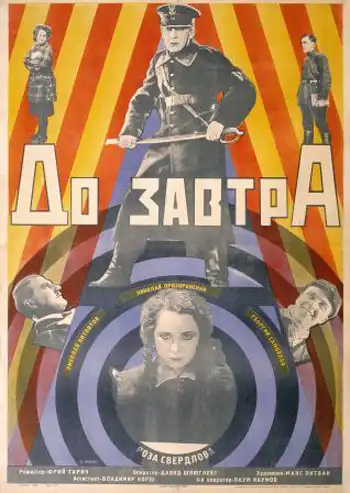
A definitive 6.5/10 rating for a film that redefined the boundaries of cult cinema. Do zavtra remains a cornerstone of transgressive art.
'Do zavtra' is a tricky one. If you're into older, maybe a bit bleak, Soviet-era dramas about kids and tough times, then yeah, this one might just grab you. It’s definitely not for everyone, though.
Folks looking for fast pacing or big, dramatic twists will probably find it a real slow burn. Almost a chore, even. But if you appreciate quiet observation, give it a shot.
The film drops you right into this gymnasium shelter, where Belarusian orphans are living. Conditions are… well, rough. You see it in the chipped paint on the walls, the worn clothes on their backs. The way the kids move, too, kinda muted, like they're saving energy.
It's really about these high school students. They get so curious about life in the Soviet system. Not exactly rebellious, just trying to figure out the world around them.
Klavdia Chebyshyova, as one of the teachers maybe, carries a lot of the emotional weight. Her face often holds this tired, worried look. You can tell she's just trying to keep things together. It's a lot.
One scene that sticks: a group of students just sitting, listening to a radio. No big speeches, just static and some official news. Their faces, they don’t show much. But you can feel them processing something. Or maybe just trying to feel anything at all. It's a quiet moment, but it felt really heavy.
And the shelter itself. It feels so isolated. Like a little world apart, even though it’s supposed to be part of a bigger system. The grey light through the windows, the starkness. You almost expect to hear the wind whistle through cracks, even indoors, like the building itself is tired.
There’s this particular focus on the older students. They’re caught between childhood and what they think 'adult' Soviet life means. You see them trying to act grown-up, but then a small thing, like a shared joke, breaks through. Roza Sverdlova, in one part, she just has this haunting stillness. You see it in her eyes.
The movie, it doesn't really explain much. You're just kinda dropped into these lives. You have to kinda piece together their world from the small interactions, the expressions, the way someone looks away.
Ivan Khudoleyev plays a role that feels a bit like a guide sometimes. Like he’s showing the younger ones how to navigate things. His presence is subtle, not commanding. More observational, really, like he's watching everyone else.
Sometimes the camera just lingers. On a wall. On someone's hands. It feels a bit long, sure. But it forces you to look closer. To notice the textures, the quiet. And it works.
The interest in 'Soviet life' from the high schoolers isn't presented as patriotic fervor. It’s more like a practical, maybe even weary, curiosity. Like, 'Okay, this is our future, what does it actually mean?' It's not a grand political statement, more of a personal exploration. That's a nice touch, honestly.
But, you know, it’s not always easy to watch. The poverty, the lack of joy. It’s unflinching in that regard. Some people will find it too bleak. They might even say, 'What's the point?' And I totally get that. It doesn't offer any easy answers, not at all.
It’s a look into a time and a place that feels very specific. And real. Even if some scenes go on a tad too long for modern tastes. You definitely get a sense these kids, they just had to survive. And maybe, find these small, quiet moments of connection.
IMDb 6.6
1935
Community
Log in to comment.