DbcultAccessing Vault...
6/10
Senior Film Conservator
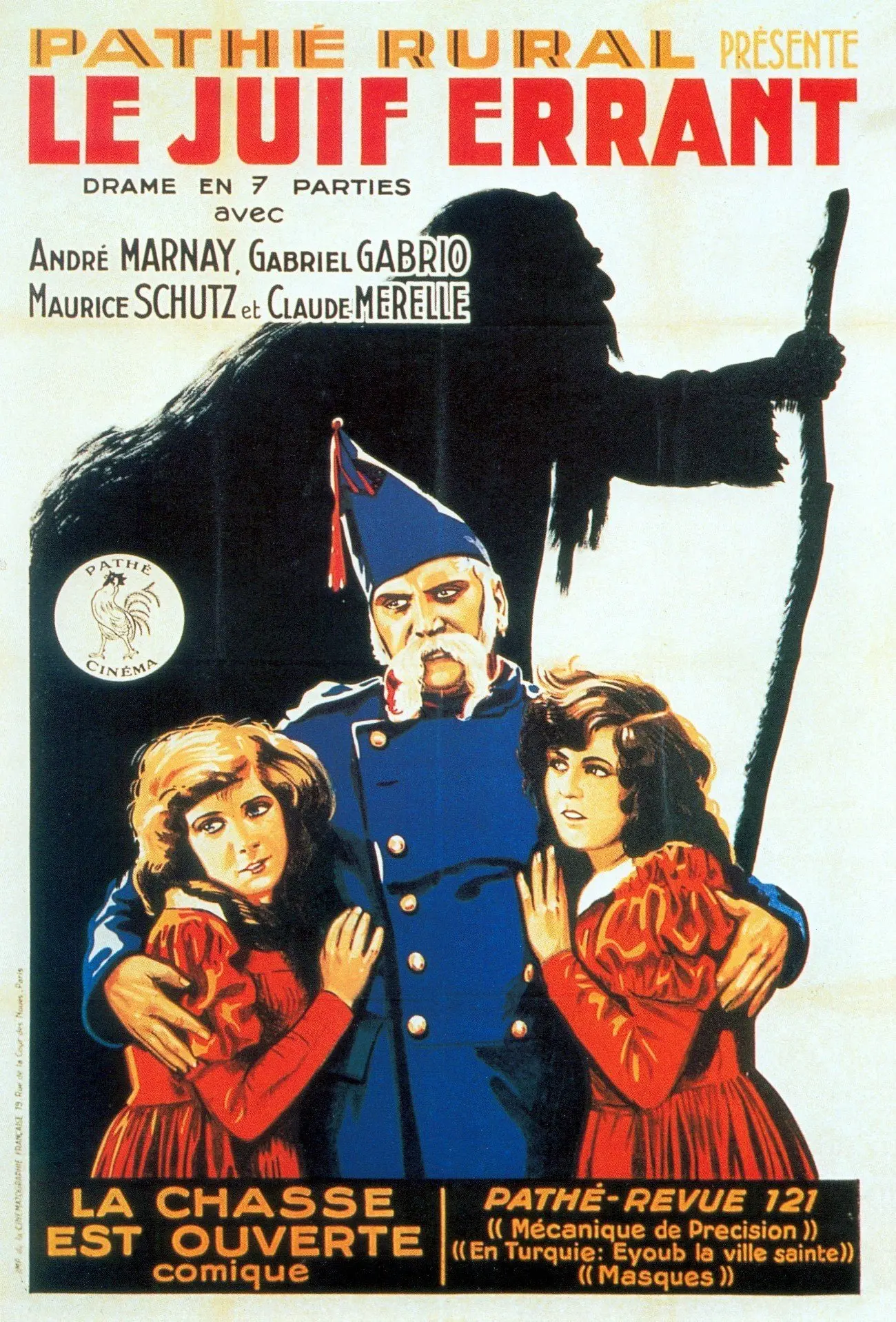
A definitive 6/10 rating for a film that redefined the boundaries of cult cinema. Le Juif errant remains a cornerstone of transgressive art.
Is 1926's Le Juif errant a cinematic relic worth dusting off for a modern viewing? Short answer: yes, but only if you are prepared for a demanding, high-contrast exploration of historical trauma and religious myth. This film is for the dedicated cinephile who values atmosphere over economy and for those fascinated by the early, raw intensity of Antonin Artaud. It is definitely not for those seeking a lighthearted adventure or a fast-paced narrative; this is a film that demands you sit in its darkness.
1) This film works because its visual scale and the sheer intensity of its central performances create a sense of cosmic dread that few silent films achieve.
2) This film fails because its narrative structure is an overstuffed labyrinth that often loses the emotional thread in favor of broad historical sweep.
3) You should watch it if you want to see a foundational piece of French silent cinema that bridges the gap between folklore and political commentary.
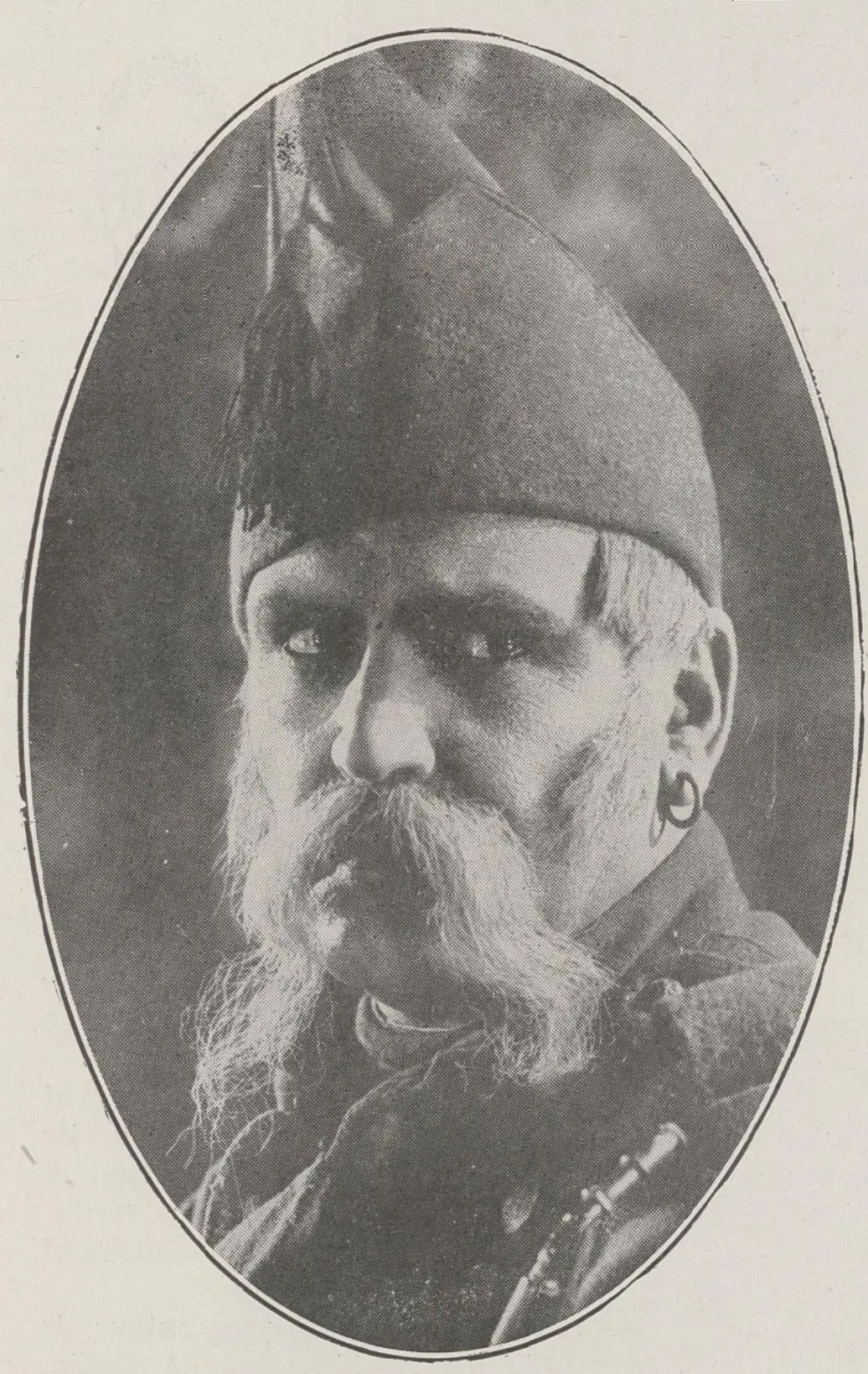
The legend of Ahasverus is one of the most enduring and problematic myths in Western culture. In the hands of director Luitz-Morat and writer Eugène Sue, it becomes a vehicle for a massive, sweeping epic. Unlike the more whimsical approach to folklore seen in Rip Van Winkle, Le Juif errant is a somber, often violent meditation on the consequences of a single moment of cruelty. The opening sequences, which establish the curse, set a tone of inescapable fate.
The film truly finds its footing when it moves away from the abstract myth and into the gritty reality of the 17th century. The 1682 Warsaw setting is depicted with a surprising amount of grit for 1926. The pogrom sequence is particularly haunting. It isn't just the scale of the crowd scenes that impresses; it’s the sense of genuine chaos. The camera captures the terror of the Frenchman and his Polish Jewish wife with a frantic energy that predates the more polished violence of modern cinema. It is a sequence that lingers long after the film ends. It works. But it’s flawed.
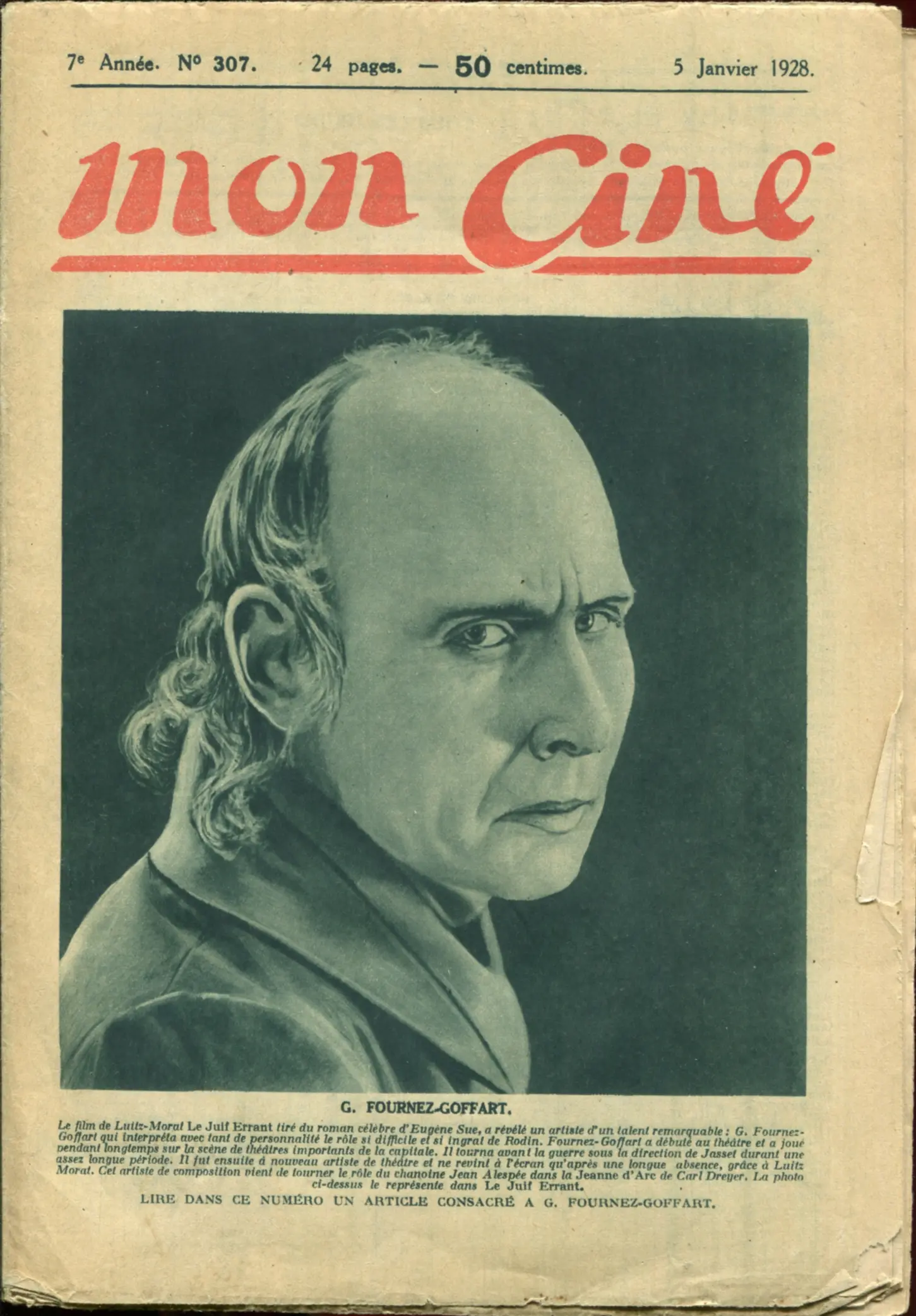
One cannot discuss Le Juif errant without focusing on Antonin Artaud. Before he became the revolutionary theorist of the 'Theater of Cruelty,' Artaud was one of the most striking faces in silent film. His performance here is a masterclass in internal tension. While other actors of the era might resort to wild gesticulation, Artaud uses his eyes to convey a soul that has been tired for centuries. There is a specific scene where his character looks into the middle distance, and you can almost feel the weight of the years he has lived. It is a performance that feels out of time, more aligned with modern psychological acting than the theatricality of his peers.
Comparing his presence here to the more traditional performances in films like Doorsteps or The Northern Code highlights just how singular Artaud was. He doesn't just play a character; he inhabits an idea. His presence provides a necessary anchor for a film that often threatens to drift away into its own subplots. Without him, the film might have been just another historical pageant. With him, it becomes a haunting character study.
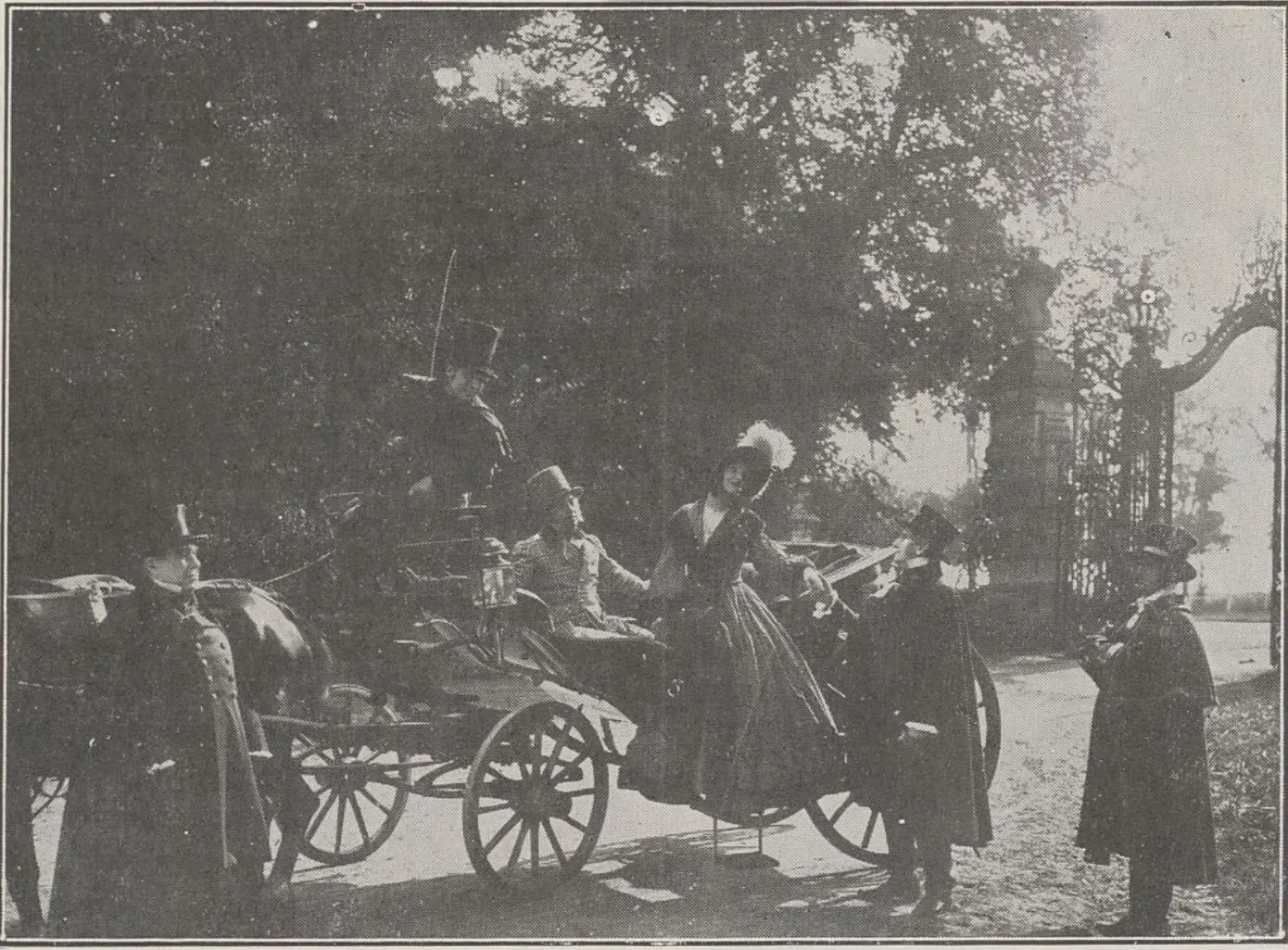
The biggest hurdle for a modern audience is the film's structure. Eugène Sue’s novel was a serial, and the film retains that episodic, sometimes disjointed feel. The plot involving the secret society and the assassination of the Frenchman is intriguing, but it often feels like it belongs in a different movie. The transition from the religious myth of Ahasverus to the political machinations of the 17th century can be jarring. It lacks the tight, focused storytelling found in contemporary works like The End of the Game.
However, this sprawling nature is also part of the film's charm. It feels like a genuine epic, a story that is too big to be contained by a standard narrative arc. The inclusion of secret societies adds a layer of pulp mystery that keeps the viewer engaged even when the pacing slows to a crawl. The film is a maximalist experience. It wants to show you everything: the myth, the history, the romance, and the tragedy. It is messy, but it is a glorious mess.
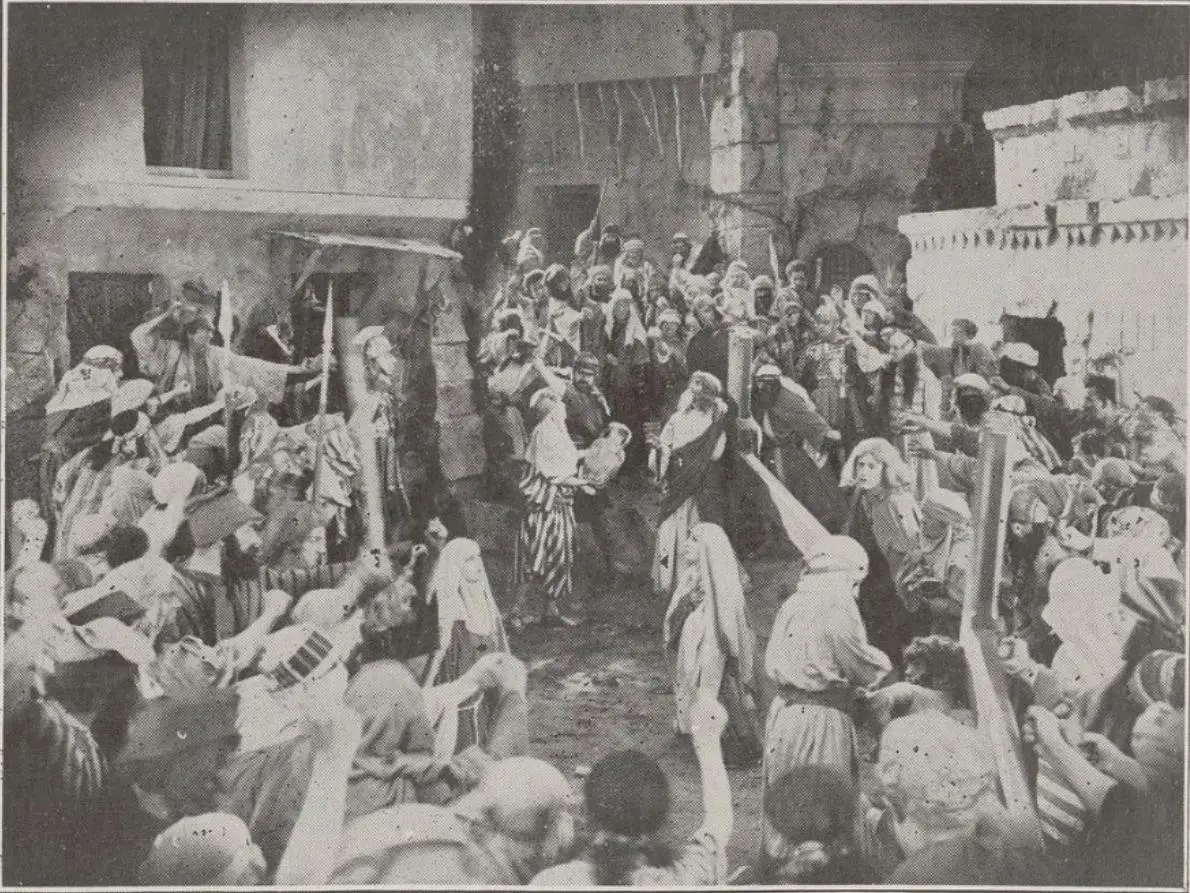
Visually, Le Juif errant is a triumph of French silent aesthetics. The use of shadow is particularly effective in the Warsaw sequences. The narrow streets of the ghetto are transformed into a claustrophobic nightmare, with long shadows stretching out like fingers. This isn't the stylized expressionism of the Germans, but something more grounded and tactile. You can almost smell the smoke and the damp earth. The cinematography by Jean-Paul Gorett and others captures the textures of the period costumes and the stone walls with remarkable clarity.
Consider the scene where the secret society members gather in the dark. The lighting is minimal, focusing only on the faces of the conspirators. It creates an atmosphere of paranoia that is incredibly effective. This level of visual storytelling is what separates a film like this from more standard fare like Cassidy. Every frame feels considered, even if the overall editing is sometimes loose.
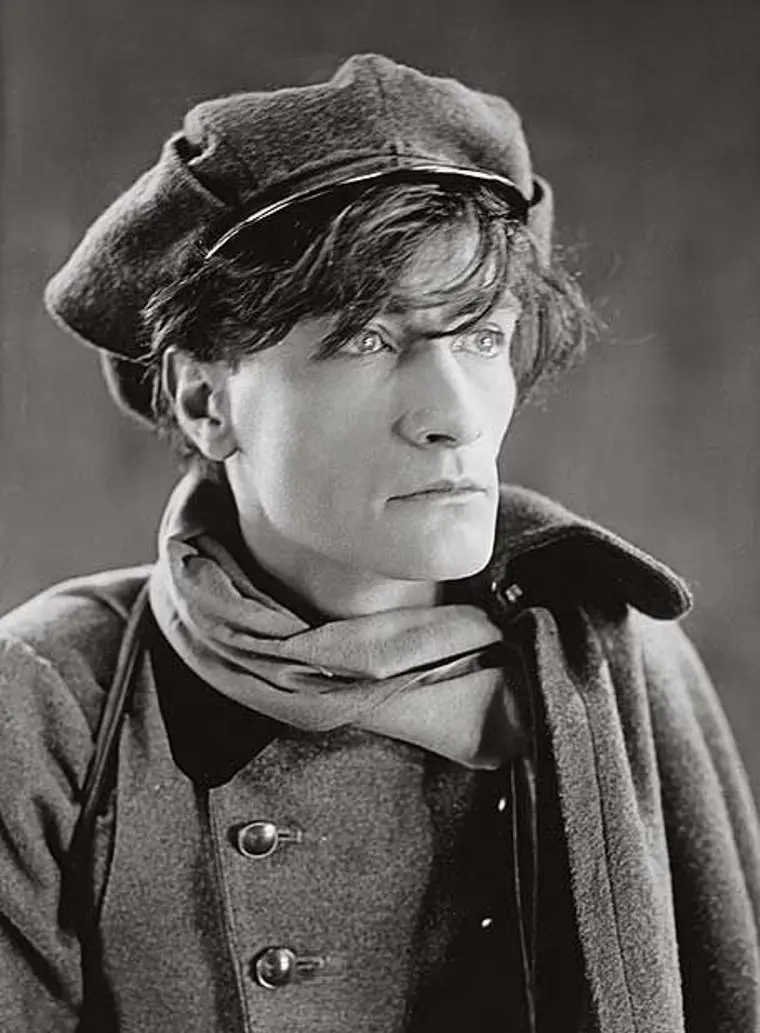
Does Le Juif errant still hold relevance in the 21st century? Yes, the film remains a vital piece of cinema history because it tackles themes of eternal guilt and systemic persecution with a boldness that is still shocking today. While the pacing is slow by modern standards, the imagery is powerful enough to bridge the gap of a century. It is a film that rewards the patient viewer with moments of profound beauty and terror.
The film is especially relevant for those interested in the history of Jewish representation on screen. It doesn't shy away from the brutality of the pogroms, and while it is filtered through a 1920s lens, it carries a weight of sincerity. It is a far more serious and impactful work than something like Darwin Was Right or the lighter Don't Weaken. It is a film that asks big questions about fate and responsibility.
Pros:
- Stunning visual composition and use of shadow.
- A haunting, career-defining performance by Antonin Artaud.
- A visceral and honest depiction of historical violence.
- Immense production value that gives the film a truly epic feel.
Cons:
- The runtime and episodic nature can lead to fatigue.
- Some of the secondary performances are overly theatrical.
- The transition between the mythic and the historical is sometimes clunky.
Le Juif errant is a difficult, beautiful, and ultimately rewarding experience. It is a film that reflects the ambitions of 1920s French cinema, aiming for nothing less than a total encompassing of human history and myth. While it lacks the narrative precision of modern epics, it makes up for it with a raw, atmospheric power that is impossible to ignore. Artaud’s face alone is worth the price of admission. It is a film that doesn't just tell a story; it asks you to bear witness to a century of wandering. It is a flawed masterpiece, but a masterpiece nonetheless. If you are a fan of the era, it is essential viewing, standing tall alongside other massive undertakings of the time like Sally of the Sawdust or Hands Up!, yet with a much darker, more profound heart.
IMDb —
1920
Community
Log in to comment.