DbcultAccessing Vault...
6.8/10
Senior Film Conservator
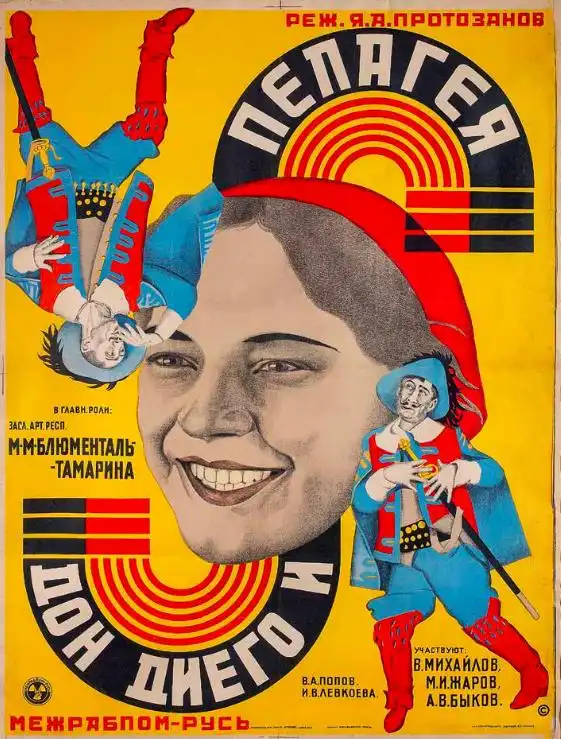
A definitive 6.8/10 rating for a film that redefined the boundaries of cult cinema. Don Diego i Pelageya remains a cornerstone of transgressive art.
If you have ever spent three hours at the DMV only to be told you have the wrong colored ink on a form, you will probably find Don Diego i Pelageya deeply triggering. It is worth watching if you like silent films that feel weirdly modern in their cynicism. You’ll probably hate it if you’re looking for the high-energy montage style usually associated with Soviet cinema from 1928. This is much slower, much dustier, and intentionally annoying.
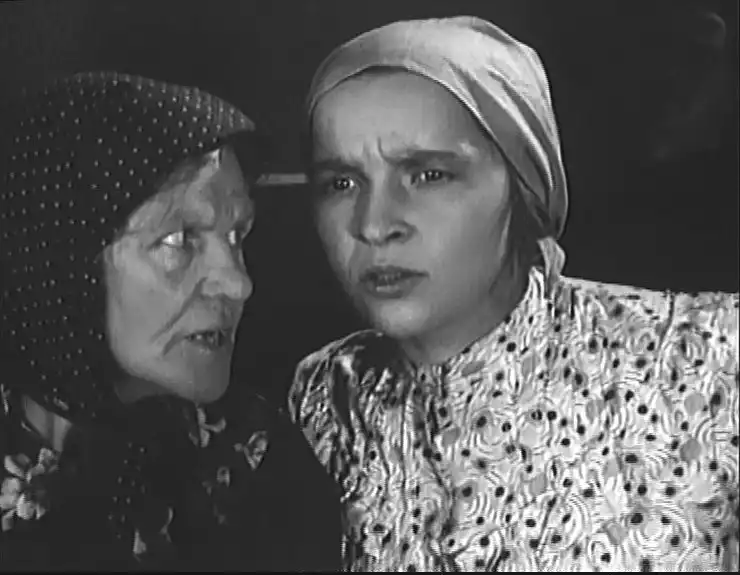
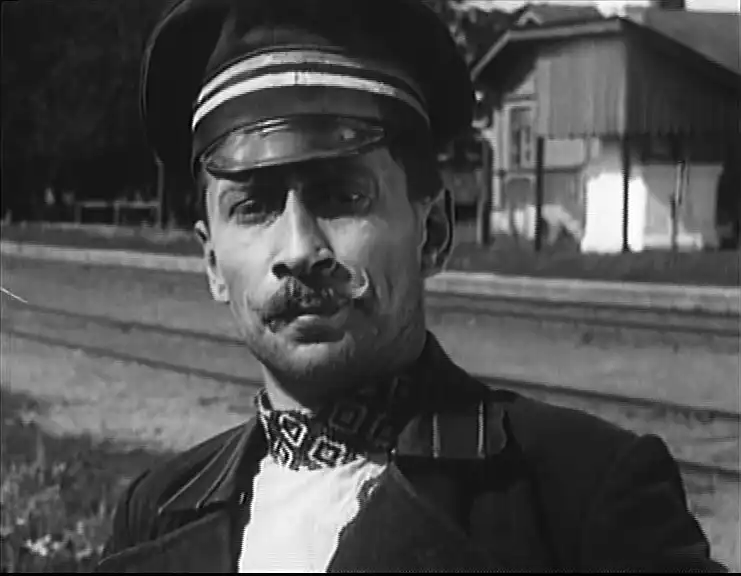
The whole plot kicks off because Pelageya, played by Mariya Blyumental-Tamarina with a face that looks like a crumpled, very tired map, crosses a railroad track where she isn’t supposed to. It’s a tiny thing. But the station master—a man who clearly loves his uniform more than his own mother—decides to make an example of her. From there, it’s just a cascade of people in offices looking at papers instead of looking at the human being in front of them.
There is a specific shot of a clerk’s hands early on. He’s sharpening a pencil or shuffling some documents, and the camera just lingers. It’s not a "beautiful" shot. It’s just long enough to make you feel the boredom of the room. You can almost smell the stale air and the ink. Protazanov is great at capturing that specific kind of institutional lethargy. It reminds me a bit of the suffocating social pressures in The Talk of the Town, though this is much more focused on the absurdity of the law than the romance.
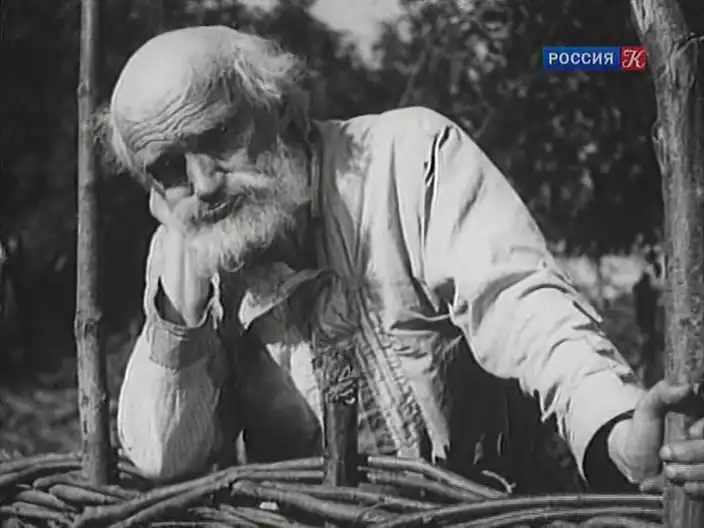
The husband, the "Don Diego" of the title, is a strange character. He’s obsessed with stories of chivalry and knights, which feels like a weird tonal detour at first. He’s trying to be a hero in a world that only respects official seals. There’s a scene where he’s trying to explain his wife’s situation, and the person he’s talking to is just... eating. The way the guy chews while this old man’s life is falling apart is the most honest thing in the movie. It’s that casual indifference that makes the movie feel less like a 100-year-old relic and more like a Twitter thread about modern healthcare.
I did find the middle section a bit saggy. There are a few too many scenes of people walking down hallways or waiting in foyers. I get that the point is the waiting, but at a certain point, I was checking how much time was left in the file. It’s a comedy, supposedly, but the humor is very dry. It’s the kind of funny where you sigh and shake your head rather than actually laughing out loud.
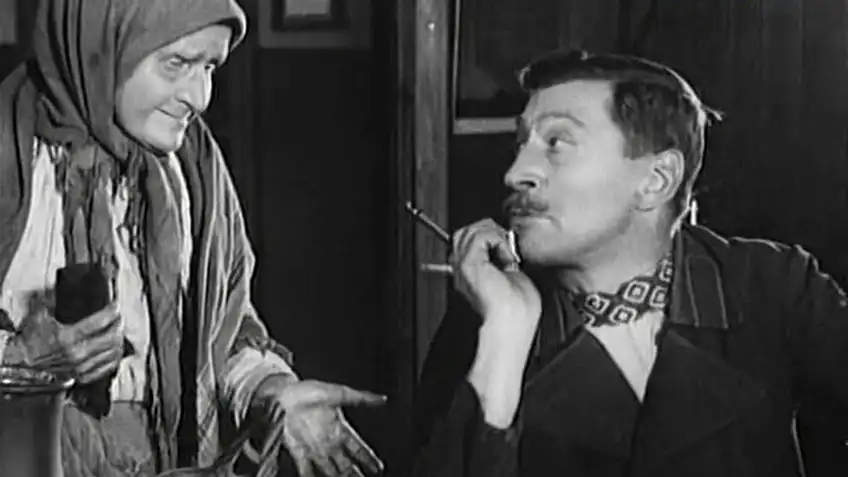
One thing that stuck with me was the costume for the station master. His coat is so stiff it looks like it’s wearing him. It emphasizes how these people become their jobs. They aren't humans; they are just extensions of the state’s rulebook. It’s a sharp contrast to Pelageya’s headscarf and worn-out layers, which look like they’ve actually been lived in.
The ending feels a bit rushed, like they realized they needed to wrap up the satire before it got too depressing. It doesn't have the same bite as something like Weaving, but it’s a solid example of how Protazanov could handle small, human stories without making them feel like a lecture. It’s a movie about how a stamp can be more powerful than a person, and unfortunately, that hasn't aged a day.
IMDb —
1918
Community
Log in to comment.