DbcultAccessing Vault...
6.5/10
Senior Film Conservator
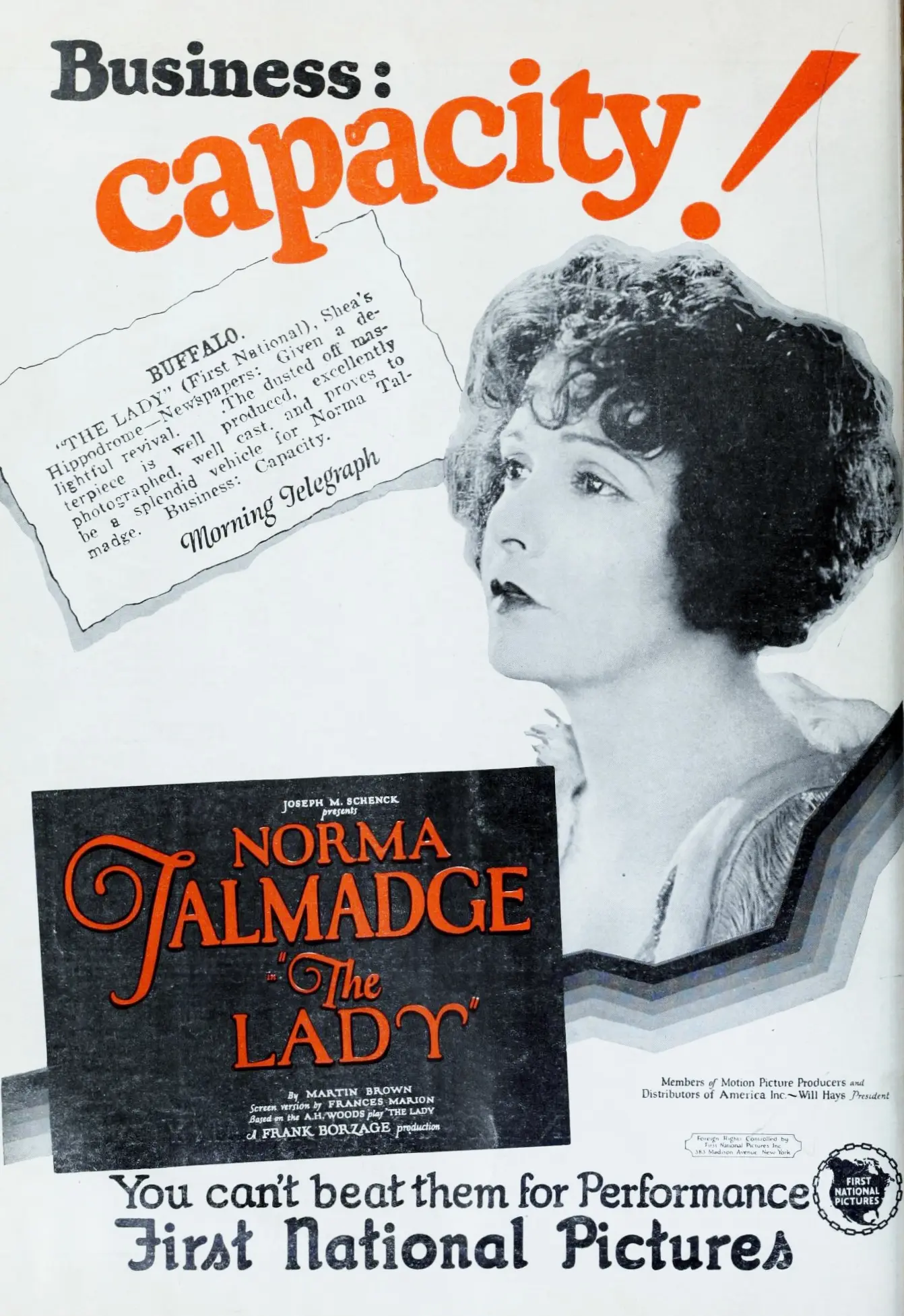
A definitive 6.5/10 rating for a film that redefined the boundaries of cult cinema. The Lady remains a cornerstone of transgressive art.
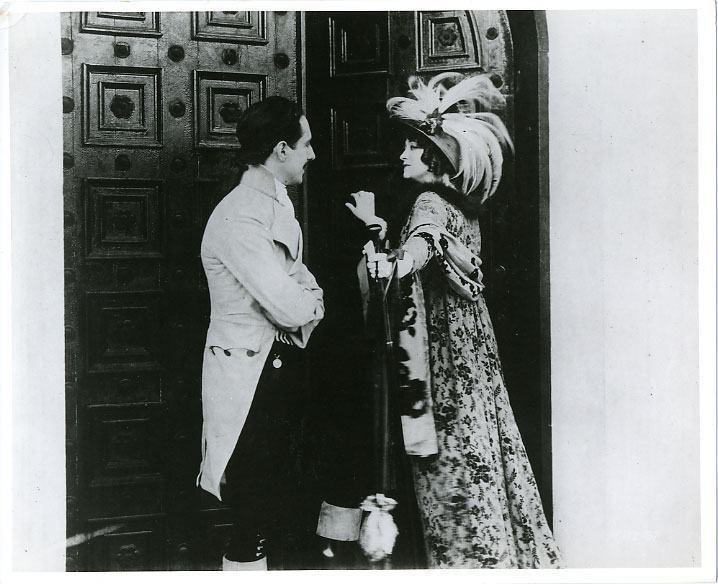
The Lady, a cinematic gem from the silent era, presents a nuanced exploration of the human condition, deftly weaving together themes of love, loss, and maternal devotion in the face of overwhelming societal pressure. Norma Talmadge stars as the eponymous heroine, a young woman whose life is irrevocably altered upon marrying the wastrel son of a British aristocrat.
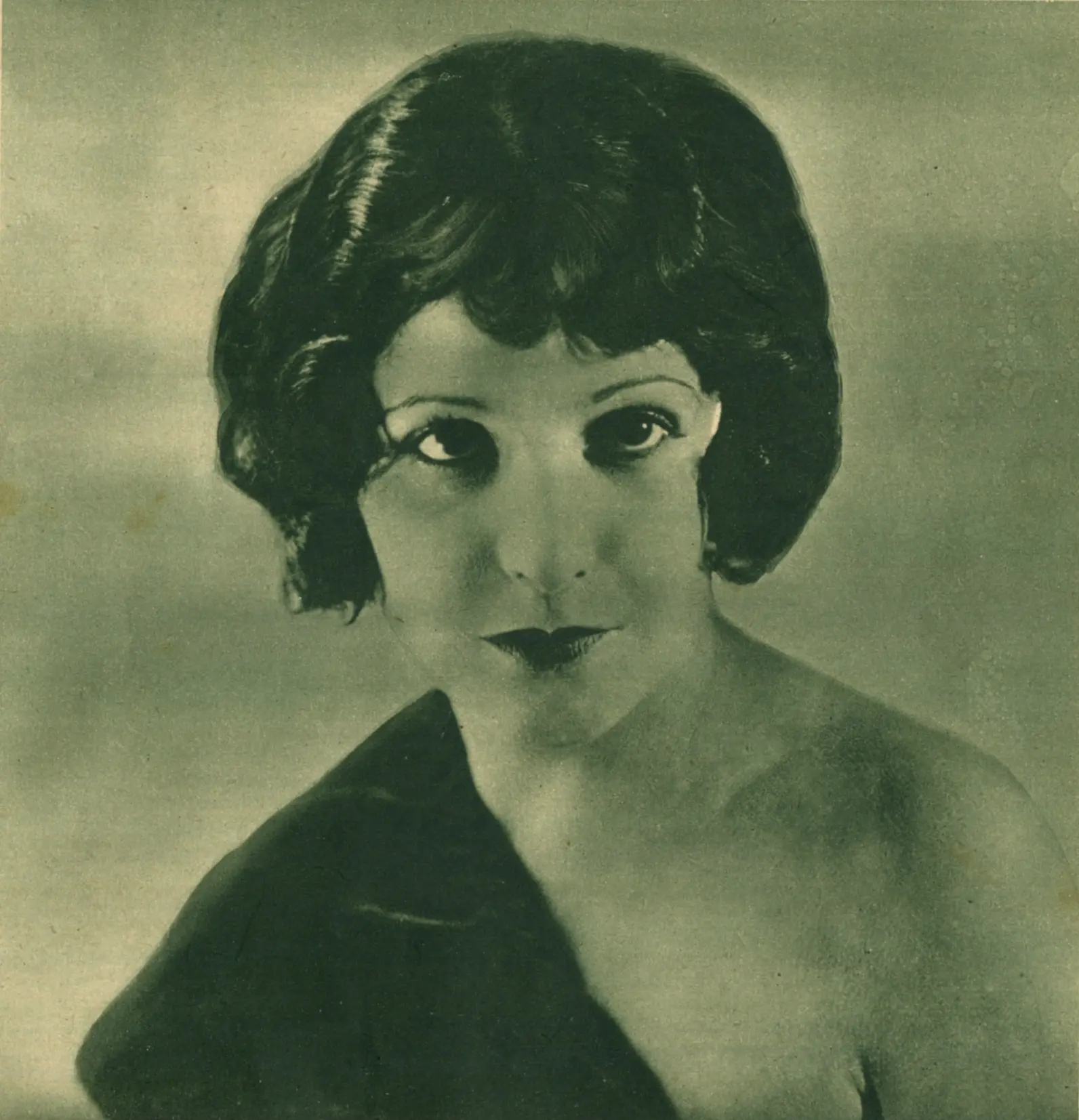
The film masterfully eschews melodrama, instead opting for a measured, thoughtful approach to storytelling that belies its era. This is a testament to the skillful direction and writing of Martin Brown and Frances Marion, who craft a narrative that is at once engaging and emotionally resonant. As the story unfolds, we witness the tragic sequence of events that befall our protagonist: her husband's squandering of their meager finances on gambles in smoke-filled casinos, his untimely death, and the subsequent struggle to maintain a semblance of stability in the face of crushing poverty.
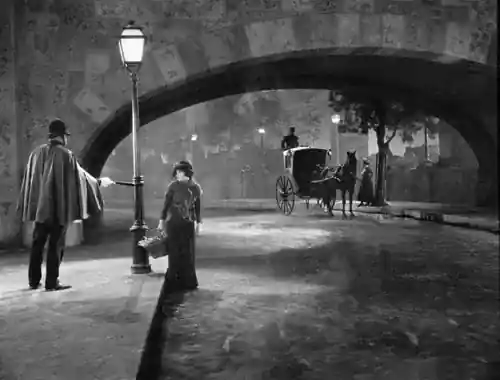
The supporting cast, including Marc McDermott and Brandon Hurst, deliver performances that add depth and complexity to the film's rich tapestry. Notably, the character of the former father-in-law serves as a poignant reminder of the societal strictures that govern the lives of the characters, as he seeks to exert control over the infant son, threatening to upend the delicate balance of the young mother's existence.
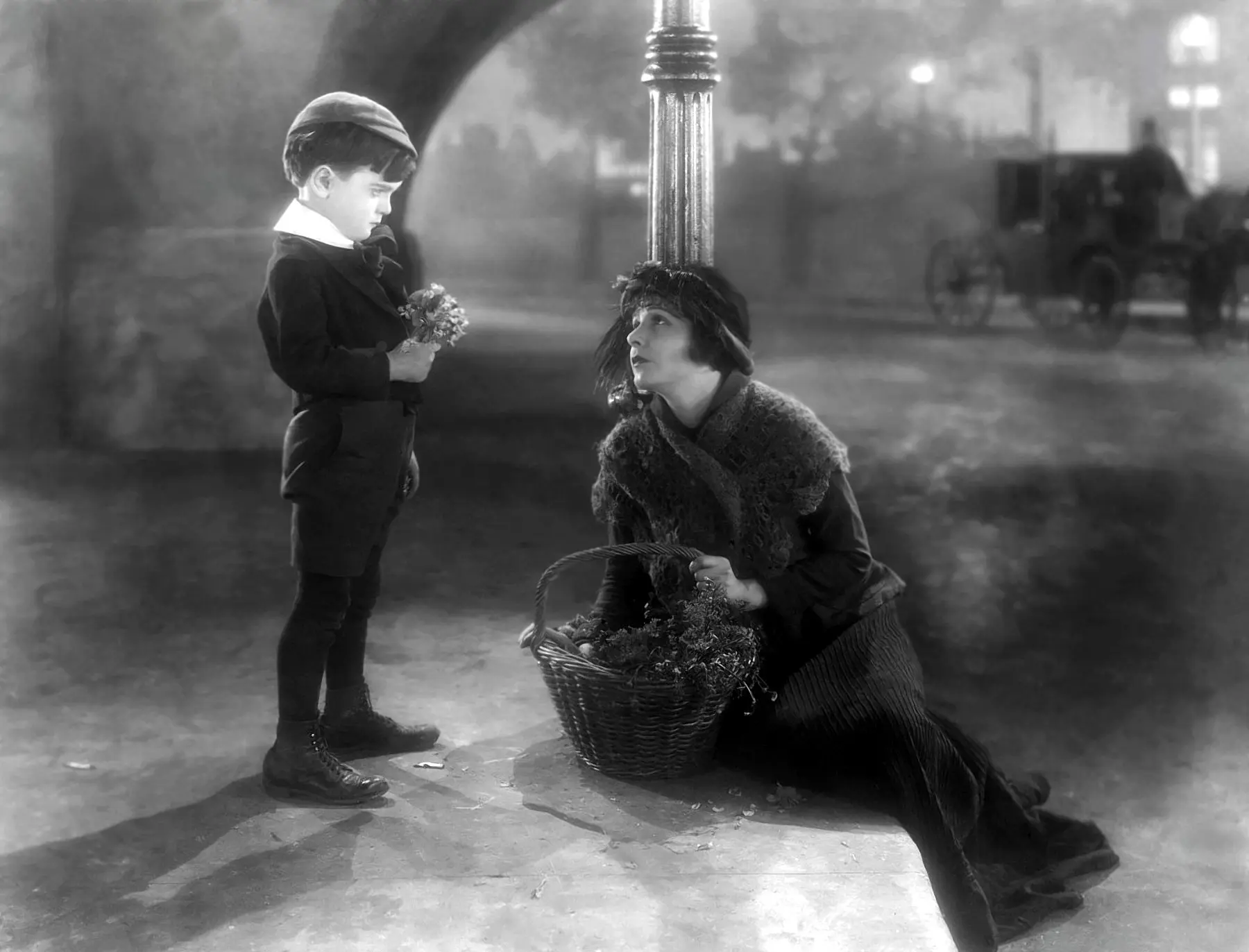
One of the most striking aspects of The Lady is its thematic resonance with other films of the era. For instance, Footlights similarly explores the tensions between personal desire and societal expectation, albeit within the context of the entertainment industry. Similarly, The Heart of Jennifer and Man's Plaything also navigate the complexities of relationships and power dynamics, highlighting the ways in which The Lady engages with broader cinematic conversations of its time.
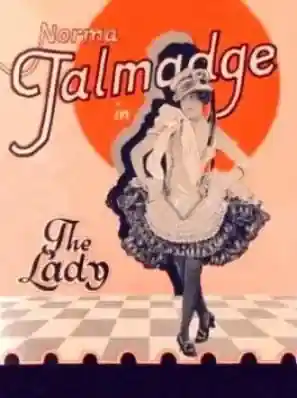
Visually, the film exhibits a restrained elegance, with a muted color palette and deliberate camera movements that evoke a sense of period authenticity. The cinematography is noteworthy for its use of lighting, which effectively captures the somber mood of the narrative. This attention to detail extends to the production design, which meticulously recreates the opulent settings of aristocratic society, providing a striking counterpoint to the protagonist's increasingly dire circumstances.
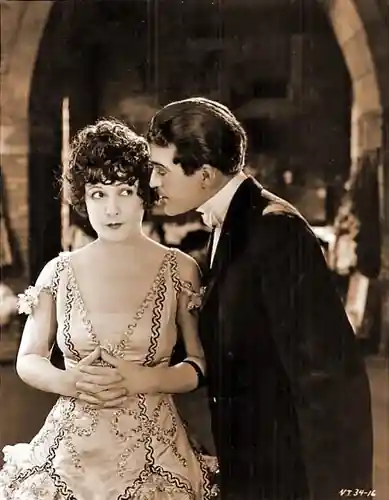
Upon closer examination, it becomes clear that The Lady is more than a simple tale of woe; it is a searing indictment of the social stratification that governs the lives of its characters. The Lady's struggle to reclaim her son serves as a powerful metaphor for the universal human desire for connection, security, and self-determination. This is a film that asks difficult questions about the nature of family, the consequences of one's actions, and the enduring power of maternal love.
In conclusion, The Lady is a masterful achievement of silent cinema, one that warrants close attention from scholars and film enthusiasts alike. Its exploration of themes such as social class, familial obligation, and personal resilience continues to resonate deeply with contemporary audiences, offering a powerful reminder of the enduring relevance of cinema's golden age. For those interested in exploring the broader cinematic landscape of the era, Why Elephants Leave Home, Terror Trail, and Disraeli offer valuable points of comparison, each examining the intricate social dynamics and power struggles that underpin human relationships.
The Lady's influence can also be seen in later films such as The Lone Round-Up and Le ultime avventure di Galaor, which similarly explore themes of love, loss, and redemption. As such, The Lady stands as a testament to the enduring power of cinema to captivate, educate, and inspire, offering a rich and rewarding viewing experience that continues to fascinate audiences to this day.

IMDb 5.3
1932
Community
Log in to comment.