DbcultAccessing Vault...
Cult Review
Senior Film Conservator
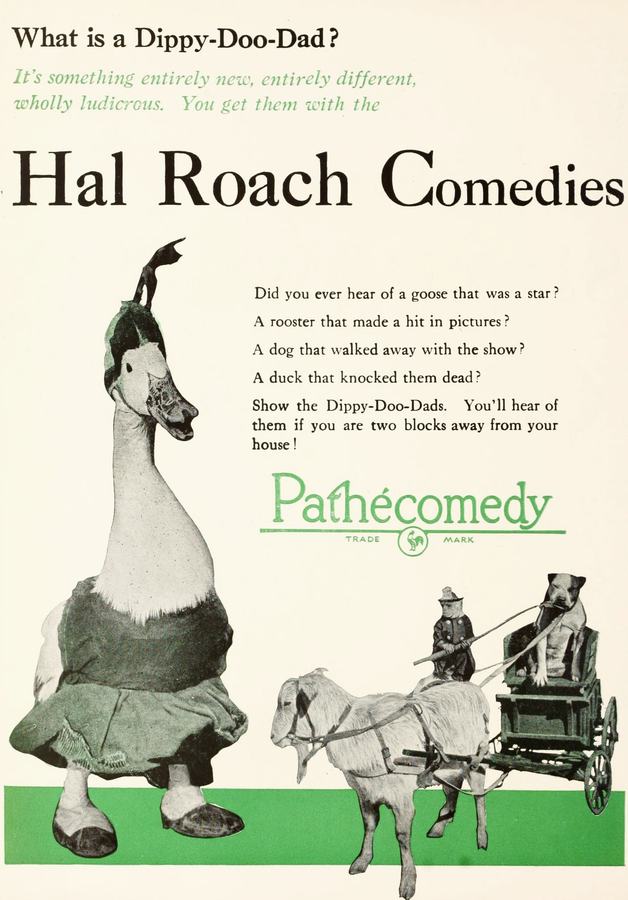
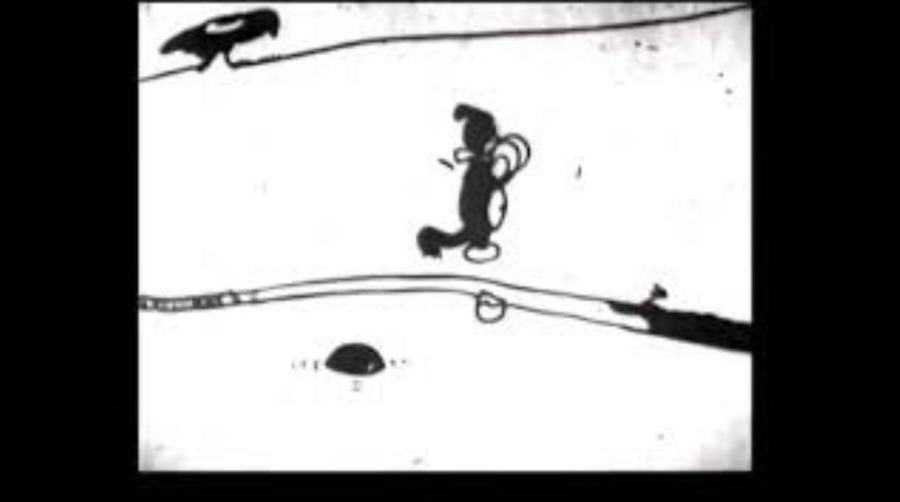
"Don't Flirt" lands on the screen with the audacity of a rooster crowing at dawn, announcing a tale that is simultaneously absurd and oddly resonant. The film positions Mr. Gander—portrayed with a rakish tilt by Len Powers—as the archetypal urban interloper who believes his city‑slick charm can be transplanted into the pastoral rhythms of a poultry yard. From the opening sequence, where Gander struts through the straw‑laden lanes, the camera lingers on his feathered silhouette, establishing a visual metaphor for a creature out of its element yet convinced of its own superiority.
Len Powers delivers a performance that balances swagger with a hint of underlying insecurity. His delivery of flirtatious banter—often punctuated by a cocky cluck—feels both comical and oddly tragic, as if the drake is aware that his charm is a fragile veneer. The two gossiping hens, whose names remain delightfully unnamed, provide a chorus of scornful commentary that drives the plot forward. Their clucking cadence, expertly timed, acts as a narrative beat, echoing the function of a Greek chorus in classical drama.
The constable, a clever monkey played with understated cunning, serves as the film’s intellectual foil. His investigative methods—pecking at clues with a literal beak and a figurative mind—are rendered with a blend of slapstick and sly wit. The monkey’s presence recalls the sly bureaucrat in The Good Ship Rock 'n' Rye, where a similarly shrewd animal navigates human folly.
Director Anonymous (the film’s credit curiously omits a name) employs a muted, dusk‑lit palette that contrasts the dark orange of the barn’s wooden beams with the vivid yellow of sunrise‑kissed straw. This chromatic tension is amplified by sea‑blue accents—most notably in the constable’s badge—creating a visual language that mirrors the film’s thematic tug‑of‑war between order and chaos. The decision to keep the background black in promotional materials translates seamlessly onto screen, allowing the white‑toned dialogue bubbles to pop against the night‑sky backdrop, enhancing readability while reinforcing the film’s fable‑like atmosphere.
The screenplay unfolds in a series of escalating vignettes: flirtation, gossip, summons, pursuit, capture, and finally, discipline. Each act is punctuated by a rhythmic clucking motif that serves as an auditory cue for the audience, signalling shifts in tone. The middle act—where the constable’s investigation intensifies—offers the most compelling tension. Here, the film slows its comedic tempo, allowing the audience to savor the suspense of a chase through haystacks, illuminated only by fireflies, their glow rendered in the film’s signature sea‑blue hue.
The climax, a public trial under the barn’s eaves, is staged with theatrical flair. Father Gander presides like a stern judge, his gavel a polished stone that reverberates through the straw. The scene’s choreography—hens perched on the rafters, the monkey presenting evidence with a flourish—evokes the courtroom drama of What Ho, the Cook, yet retains the whimsical absurdity that defines "Don't Flirt."
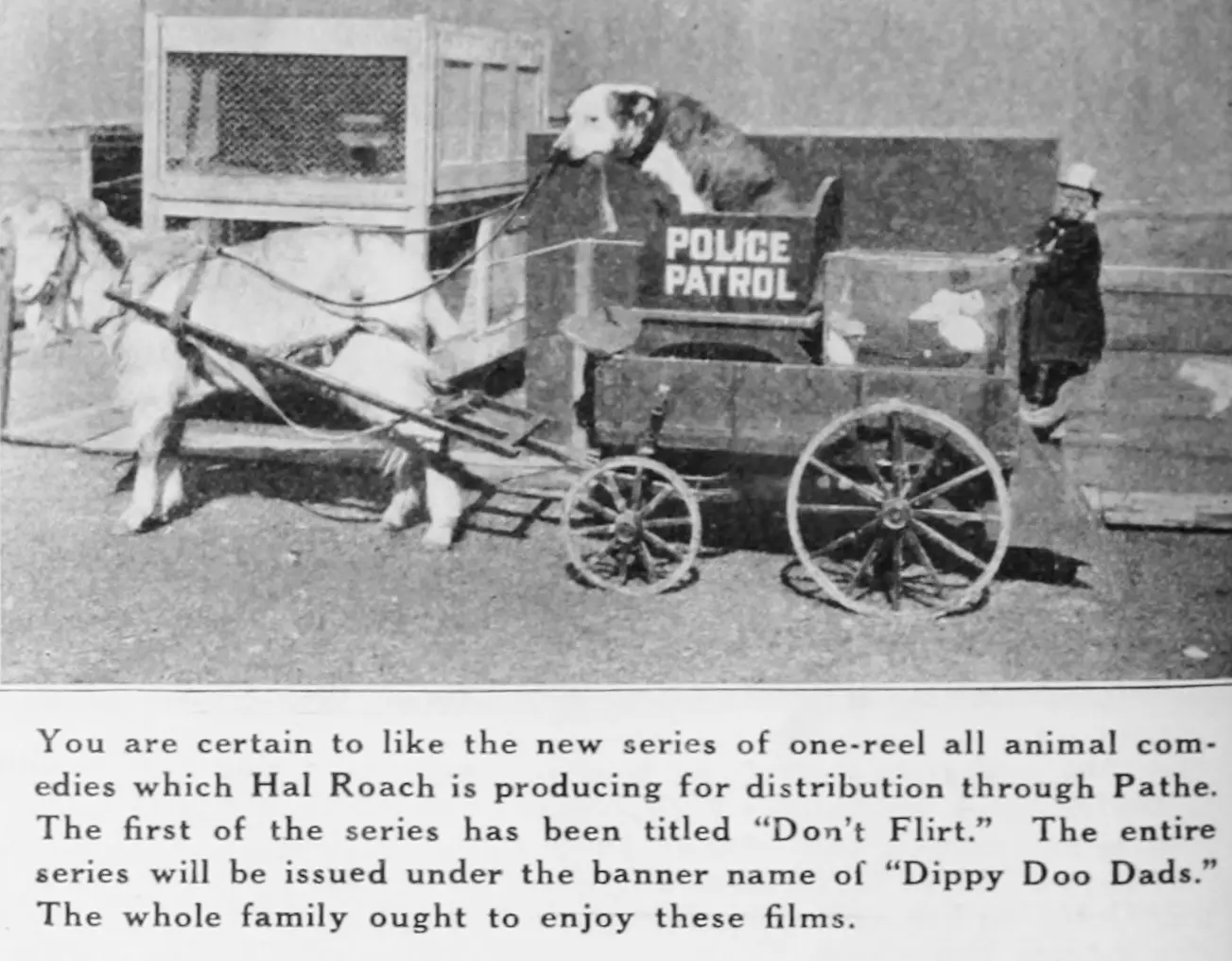
At its core, the film interrogates the collision between individual desire and communal accountability. Mr. Gander’s flirtations are not merely romantic missteps; they symbolize a broader intrusion of urban individualism into a tightly knit rural order. The gossiping hens embody the village’s collective memory, a living archive that ensures transgressions are not forgotten. The constable’s role underscores the necessity of an impartial arbiter, a figure who, despite being a monkey, possesses a sharper moral compass than the human characters surrounding him.
The disciplinary resolution—Gander’s public shaming and subsequent exile to the far‑corner of the yard—reinforces a moral that resonates beyond the barnyard: actions have consequences, and community standards, however archaic, wield undeniable power. This moral echo can be traced to the narrative beats of Her Good Name, where reputation and retribution intertwine.
Cinematographer Unnamed captures the yard’s expansive emptiness with sweeping crane shots that juxtapose the intimacy of individual confrontations. The use of shallow depth of field during flirtatious encounters isolates Gander and his target, emphasizing the personal nature of his advances, while wide shots during the chase convey the vastness of the communal space he is attempting to escape.
Sound design is a symphony of clucks, rustling feathers, and the occasional monkey chitter. The soundtrack, composed of minimalist strings punctuated by percussive beats reminiscent of barn doors slamming, underscores the film’s oscillation between lighthearted farce and serious moral reckoning.
When placed beside contemporaries such as Hearts and Masks or The Merry Jailbirds, "Don't Flirt" distinguishes itself through its animal-centric allegory that eschews human actors for avian and simian protagonists. This choice amplifies the universality of its themes, allowing viewers to project human societal structures onto a seemingly whimsical tableau.
Since its release, the film has sparked conversation on the efficacy of satire in addressing rural conservatism. Critics have lauded its clever use of animal archetypes to circumvent overt didacticism, while some have argued that the narrative’s resolution feels overly punitive. Nonetheless, its daring visual palette and unapologetic humor have cemented its status as a cult favorite among cinephiles who appreciate subversive storytelling.
"Don't Flirt" is a feather‑light yet incisive piece of cinema that balances slapstick comedy with a sharply observed commentary on community, reputation, and the perils of unchecked charm. Len Powers’ charismatic drake, the gossiping hens’ relentless reportage, and the monkey constable’s clever machinations coalesce into a narrative that is as entertaining as it is thought‑provoking. For viewers seeking a film that flutters between the absurd and the profound, this barnyard saga offers a richly textured experience that lingers long after the final cluck fades.
IMDb 9.2
1933
Community
Log in to comment.