DbcultAccessing Vault...
Cult Review
Senior Film Conservator
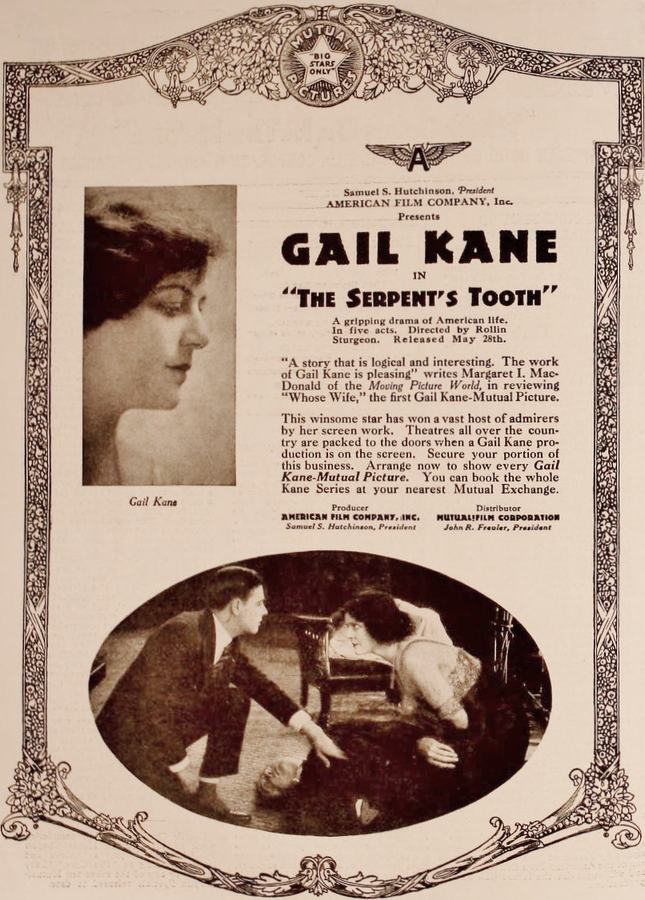
Stepping back into the flickering glow of early 20th-century cinema, one often encounters narratives that, despite their age and the technical limitations of their time, resonate with a raw, timeless emotionality. Such is the case with 'The Serpent's Tooth,' a 1917 melodrama that, like many of its contemporaries, deftly explores the treacherous landscape of human relationships, societal expectations, and the corrosive power of ambition. This film, a poignant relic from the silent era, casts a critical eye on the moral quagmire that can engulf individuals when love, loyalty, and avarice collide. It’s a narrative steeped in the kind of heightened drama that characterized much of the period, yet it manages to transcend mere sensationalism through its compelling character arcs and the potent performances that bring them to life.
At the heart of this intricate tapestry of fate and folly lies Faith Channing, portrayed with a remarkable blend of vulnerability and nascent strength by the luminous Gail Kane. Kane, a prominent figure of the era, embodies Faith with an almost ethereal grace, making her initial descent from hopeful romance into a marriage of convenience all the more heartbreaking. The film establishes her character not just as a victim of circumstance but as a woman navigating the rigid social strictures of her time. Her early decision, driven by societal pressures and perhaps a pragmatic resignation to her beloved Jack Stilling's 'meager income,' to marry the affluent James Winthrop, sets in motion a chain of events that will test the very fabric of her being. Kane’s ability to convey profound emotional shifts through subtle facial expressions and restrained gestures—a cornerstone of effective silent acting—is truly commendable. Her eyes, often downcast with sorrow or widened in shock, speak volumes, allowing the audience to intimately connect with her character's internal turmoil without the need for spoken dialogue. This nuanced performance elevates Faith beyond a mere damsel in distress, portraying her as a complex individual grappling with profound loss and betrayal. Her journey through despair, brought about by the tragic loss of her infant, and her subsequent forced dependency, forms the emotional core of the film, drawing parallels to the intense suffering portrayed in other melodramas of the era. The raw emotionality, reminiscent of Francesca Bertini's visceral performance in Assunta Spina, showcases the depth of psychological pain that silent cinema could convey.
Frederick Vroom, as the ambitious and ultimately morally bankrupt James Winthrop, delivers a portrayal of a man consumed by his own desires. Winthrop is not merely a villain; he is a cautionary tale, a character whose initial charm and social standing gradually give way to a chilling ruthlessness. His relentless pursuit of social ambition, a common theme in period dramas, eclipses any genuine affection he might have once held for Faith. The film meticulously charts his moral erosion, from indifference to active malevolence, particularly under the insidious influence of Hortense Filliard. Vroom masterfully conveys Winthrop’s descent, using broad, yet effective, silent film acting techniques to express his growing disdain, his calculating nature, and ultimately, his desperate addiction. The 'serpent's tooth' of the title finds its most literal manifestation in Winthrop's character – the ingratitude and betrayal he inflicts upon Faith, his own wife, is a venomous sting that ultimately poisons himself. His plans to addict Faith to morphine for a convenient divorce are a stark illustration of his depravity, a narrative thread that explores the darkest corners of human manipulation. This kind of moral decay, where a character's internal flaws lead to their undoing, echoes the thematic explorations found in features such as The World, the Flesh and the Devil, where worldly temptations lead to spiritual and personal ruin.
No melodrama is complete without its antagonist, and in 'The Serpent's Tooth,' Hortense Filliard, likely portrayed by Mary Wise or Jane Pascal, emerges as the quintessential femme fatale. She is not merely a temptress but a catalyst for destruction, an embodiment of the era's anxieties surrounding predatory social climbers and those who would exploit others for personal gain. Hortense's influence on Winthrop is pivotal; she fans the flames of his ambition and, more disturbingly, co-conspires in his vile scheme against Faith. Her character is a stark contrast to Faith's purity, representing the darker, more cynical side of society. The film uses her presence to highlight the external forces that can corrupt even a seemingly respectable man, demonstrating how easily moral boundaries can be blurred when one is swayed by vanity and avarice. While her motivations are less explored than Winthrop's, her role is undeniably crucial in accelerating the plot's tragic trajectory, serving as the insidious whisper that leads him further down his path of self-destruction. Her machinations, though less overtly criminal than some of the masterminds in serials like The Vampires: The Poisoner, are no less devastating in their impact on the lives of the protagonists.
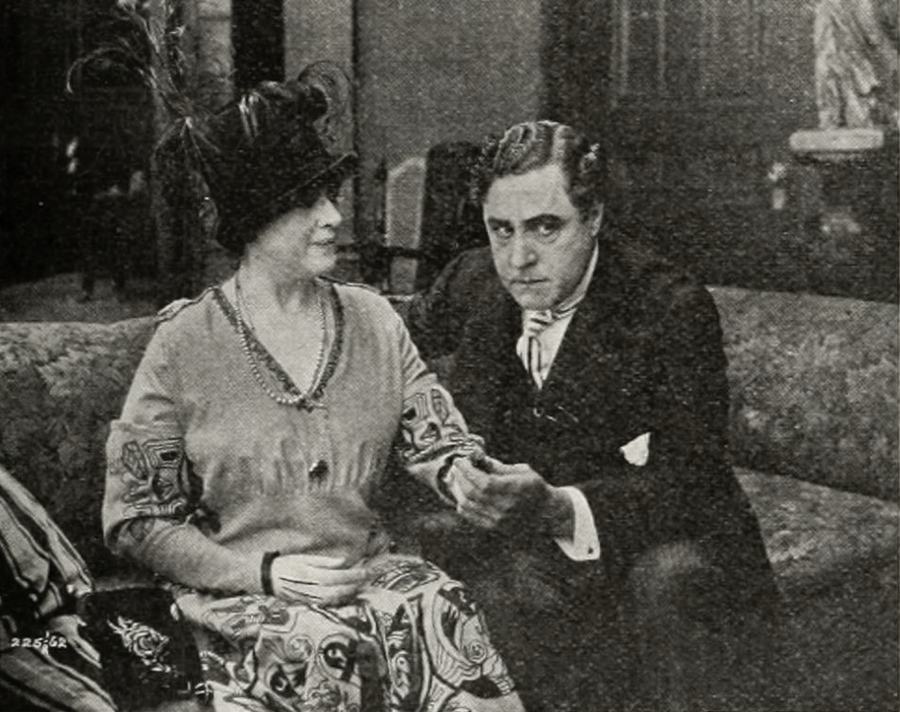
In stark contrast to Winthrop's escalating villainy and Hortense's manipulative presence stands Dr. Jack Stilling. Though initially sidelined by his financial constraints, Stilling represents the enduring power of true affection and unwavering moral integrity. His character is a classic archetype: the noble, self-sacrificing hero whose love for Faith never falters, even as she is swept away by another. His role as her physician, administering morphine to alleviate her profound grief, is fraught with a delicate irony, as it unwittingly sets the stage for Winthrop's nefarious plan. Yet, it is Stilling’s timely intervention that ultimately saves Faith from the brink of addiction, a testament to his steadfast commitment and the inherent goodness that Winthrop so tragically lacked. He is the anchor in a storm, the quiet force of reason and compassion that ultimately brings redemption. The quiet strength and moral fortitude of Stilling offer a stark contrast to the societal corruptions depicted, providing a necessary counterpoint that prevents the film from descending into unremitting bleakness. His character is a reminder that genuine virtue, though often tested, can ultimately triumph over the machinations of greed and deceit.
'The Serpent's Tooth' masterfully weaves together several potent themes that were prevalent in early 20th-century drama. The central conflict between genuine love and the allure of wealth and social status forms the bedrock of the narrative. Faith's initial choice, while understandable given the era's economic realities for women, highlights the tragic consequences of prioritizing material security over emotional fulfillment. The film also delves into the devastating impact of loss, particularly the death of a child, which plunges Faith into a depression so profound that it makes her vulnerable to the machinations of others. This element resonates deeply, tapping into universal human fears and sorrows. Furthermore, the film unflinchingly tackles the dark specter of drug addiction. The use of morphine, initially as a legitimate medical palliative, quickly transforms into a tool for malevolent control and ultimately, a force of self-destruction. Winthrop's descent into addiction, a consequence of his own wicked scheme, serves as a powerful moral lesson, demonstrating that those who sow seeds of malice often reap a bitter harvest. This exploration of addiction, not just as a physical malady but as a moral failing born of wickedness, was a daring thematic choice for its time, adding a layer of social commentary to the personal drama. The intricate dance of societal expectations and hidden vices, though sans the Wildean wit, echoes the underlying tension found in works like Lady Windermere's Fan, where reputation and social standing often mask deeper, more troubling realities.
As a product of the silent era, 'The Serpent's Tooth' relies heavily on visual storytelling, exaggerated expressions, and the strategic use of intertitles to convey its complex narrative. The performances, particularly Gail Kane's, are a masterclass in this form, translating internal states into external gestures and gazes. The film's direction, credited to Doris Schroeder and Forrest Halsey for the screenplay, understands the power of melodrama in captivating an audience. Each scene is crafted to maximize emotional impact, from the tender moments between Faith and Stilling to the escalating tension of Winthrop’s betrayal. The reliance on close-ups to capture the nuances of emotion, and wider shots to establish the opulence of Winthrop’s world or the starkness of Faith’s despair, are all characteristic of the period's developing cinematic language. The pacing, though perhaps slower by modern standards, allows for a deliberate unfolding of the plot, building suspense and empathy gradually. The visual cues, often symbolic, reinforce the themes: the contrast between the dimly lit, sorrowful scenes and the brighter, more hopeful ones at the film's conclusion, for instance, speaks volumes without a single spoken word. This masterful use of visual rhetoric, a hallmark of silent cinema, ensures that the film's message is delivered with clarity and emotional force.
Beyond its immediate narrative, 'The Serpent's Tooth' offers a fascinating window into the societal morality of its time. The film implicitly critiques the pressures placed upon women to marry for financial security, and the dangers inherent in a society that values outward appearance and wealth over genuine character. Winthrop's downfall serves as a moralistic warning against unchecked ambition and the pursuit of pleasure at any cost, a common trope designed to reinforce prevailing ethical norms. Yet, it's not a wholly cynical portrayal; the ultimate redemption of Faith and the steadfast goodness of Stilling offer a counterbalance, suggesting that even in the face of profound adversity and moral corruption, hope and true love can prevail. This blend of social critique and ultimate affirmation of virtue was a powerful formula for silent melodramas, allowing audiences to both reflect on societal ills and find solace in the triumph of good over evil. Just as East Lynne plunges its heroine into a vortex of despair only to offer a glimmer of moral justice, 'The Serpent's Tooth' navigates similar territory, providing a cathartic resolution after intense suffering. The internal and external battles waged by its characters against the corrupting influences of society and personal ambition find a thematic kin in features such as The World, the Flesh and the Devil, where protagonists often grapple with the very fabric of their moral existence.
'The Serpent's Tooth' might not be as widely celebrated as some of the more iconic silent films, but its narrative power and the strong performances, particularly by Gail Kane, ensure its place as a significant piece of cinematic history. It serves as a potent reminder of the silent film era's ability to craft emotionally resonant stories that explored the complexities of the human condition without the aid of spoken dialogue. The film’s exploration of betrayal, the insidious nature of addiction, and the enduring power of selfless love remains as compelling today as it was over a century ago. Its title itself, drawn from Shakespeare, aptly encapsulates the film's central theme of ingratitude and the pain it inflicts. For those interested in the evolution of cinematic storytelling, the development of character archetypes, and the nuanced artistry of silent acting, 'The Serpent's Tooth' offers a rich and rewarding viewing experience. It is a testament to the enduring power of classic melodrama, a genre that, when executed with sincerity and skill, can still move and provoke thought in contemporary audiences. The film is more than just a historical artifact; it is a vibrant, if silent, cry from the past, reminding us that the human heart, in all its myriad forms of love, ambition, and despair, remains an endlessly fascinating subject for artistic exploration. The sheer depth of emotional portrayal and the intricate plot twists make it a captivating watch, offering a profound insight into the social and moral fabric of its time, while simultaneously transcending it through its universal themes of love, betrayal, and the quest for redemption.
IMDb —
1916
Community
Log in to comment.