DbcultAccessing Vault...
6.3/10
Senior Film Conservator
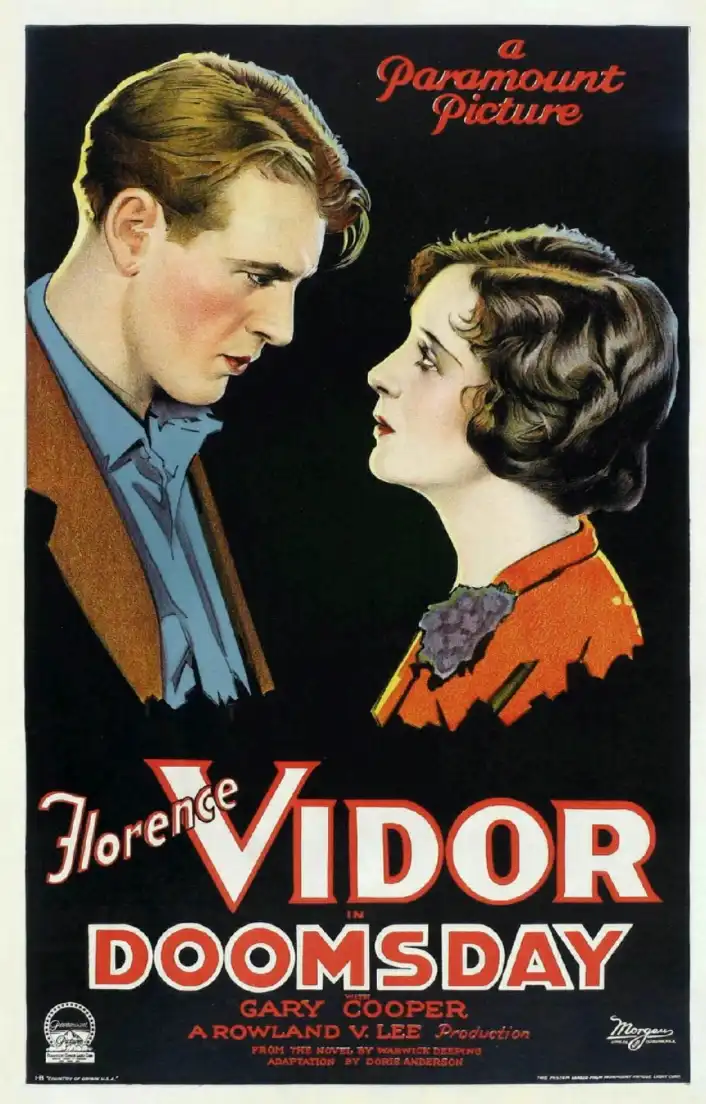
A definitive 6.3/10 rating for a film that redefined the boundaries of cult cinema. Doomsday remains a cornerstone of transgressive art.
For cinephiles with an appreciation for the silent era, particularly those interested in the early career of Hollywood legend Gary Cooper, Doomsday (1928) offers a compelling, if somewhat predictable, rural melodrama. It’s a film that asks its audience to slow down, to engage with visual storytelling and the nuanced performances that defined the period. If you’re a fan of early 20th-century character studies steeped in moral choices and visible consequences, this is a film worth seeking out. However, those accustomed to modern pacing, extensive dialogue, or complex narratives might find its deliberate rhythm and earnest emotionality a challenge. It's not a film for casual viewing; it demands a certain patience and a willingness to meet it on its own terms.
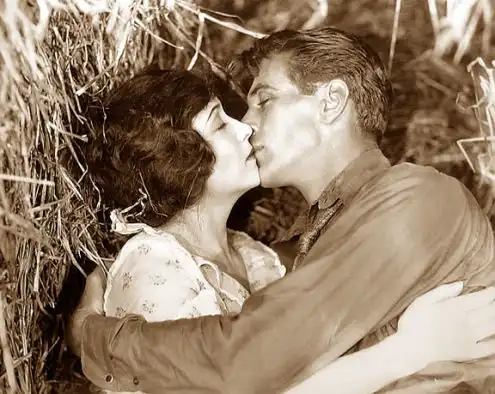
The strength of Doomsday largely rests on its central performances, particularly that of a young Gary Cooper as Arnold Furze. Cooper, still early in his career, already possessed the quiet intensity and authentic screen presence that would define his star image. He embodies Arnold with a grounded sincerity, portraying a man of the earth whose love for his land is matched only by his devotion to Mary. Without a word, Cooper conveys Arnold’s deep connection to Doomsday Farm; watch his gaze linger on the ancient trees he’s about to sacrifice, a moment of palpable, silent pain that speaks volumes about his commitment. His stoic reactions to Mary’s eventual choice, punctuated by subtle shifts in his posture and the way he holds himself, are some of the film's most affecting moments.
Florence Vidor, as Mary Viner, faces the formidable task of portraying a woman whose initial ambition curdles into profound regret. Her performance is strong, particularly in the latter half of the film. Initially, she projects a youthful naiveté, a girl charmed by the superficial allure of wealth and comfort. The transition to her disillusionment is gradual, depicted through increasingly haunted expressions and a growing physical stiffness. There’s a particular scene where she’s sitting alone in her opulent new home, the silence amplifying her isolation, and Vidor’s face, captured in a tight close-up, truly sells the emotional burden of her choice. It’s a delicate balance, and while some early scenes depicting her vacillation might feel a touch broad, her portrayal of Mary’s suffering is genuinely moving.
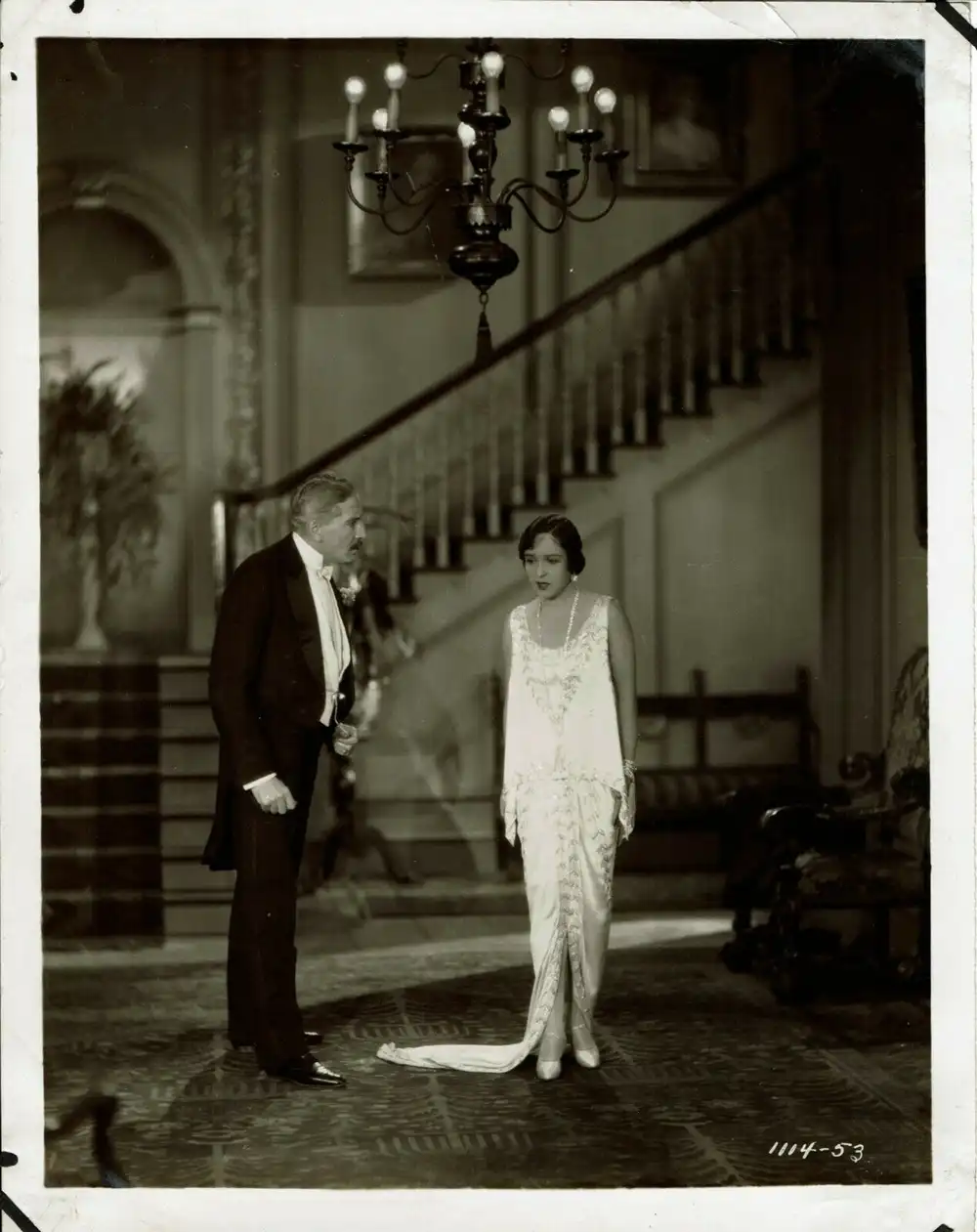
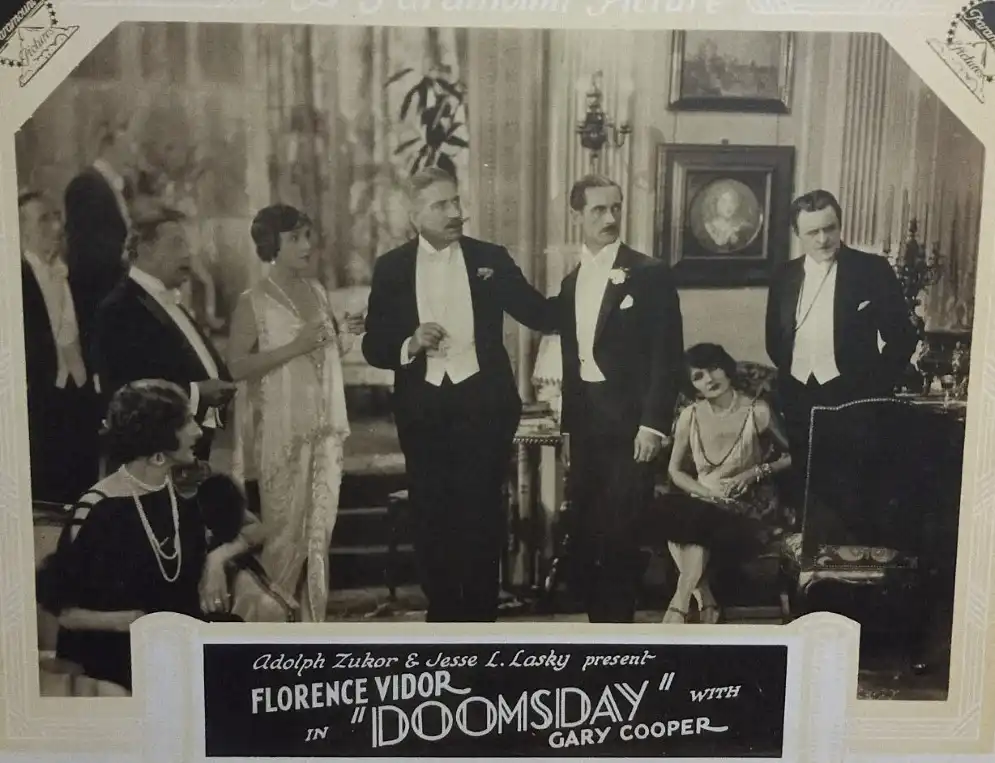
Lawrence Grant, as the wealthy banker Stephen Fream, effectively plays the antagonist of circumstance. He’s not overtly villainous, but rather a man whose comfort offers a seemingly easy alternative to Arnold’s hardscrabble life. Grant portrays Fream with a certain effete charm that slowly reveals a deeper inadequacy, a lack of the substance and genuine connection that Arnold embodies. His scenes with Vidor often highlight a subtle disconnect, a failure to truly understand or fulfill Mary's emotional needs, making her regret feel entirely earned.
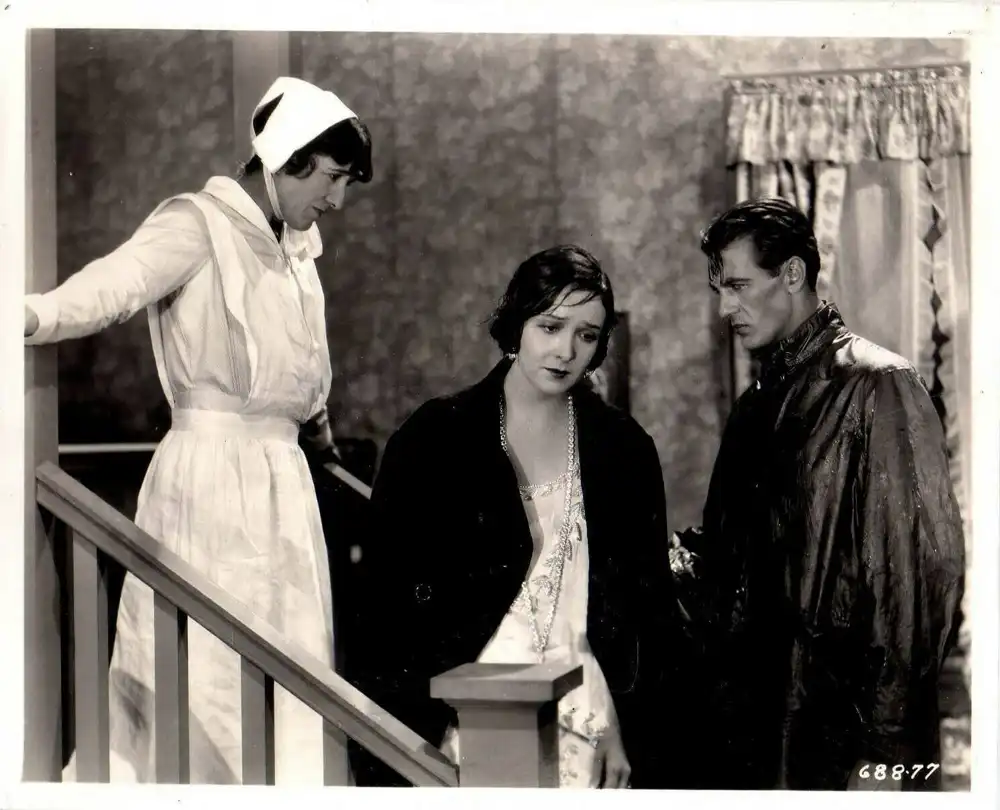
As a late silent film, Doomsday operates on a rhythm distinct from contemporary cinema. Its pacing is deliberate, allowing scenes to breathe and emotions to slowly unfold. This is largely a strength, particularly in establishing the atmosphere of rural life and the weight of Mary’s decision. The film takes its time building the contrast between the rugged, honest labor of Doomsday Farm and the polished, yet hollow, world of the banker. The sequence depicting Arnold’s painful decision to cut down the treasured trees, for instance, is extended, allowing the audience to feel the emotional cost of his sacrifice, accentuated by the brief, almost imperceptible flinch of one of the farmhands as the axe falls, a small human detail that speaks volumes.
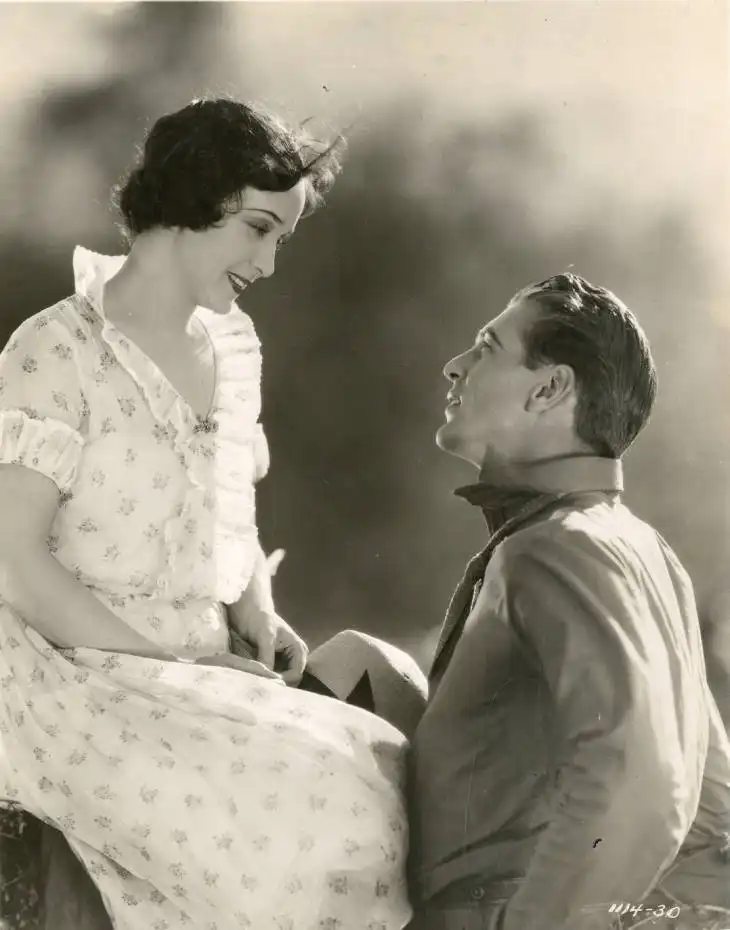
However, this deliberate pace occasionally verges on languid, particularly in some of the expositional scenes early on. There are moments where an intertitle feels a bit too long, or a reaction shot lingers just a beat too much, pulling the audience out of the emotional flow. The tone is consistently earnest and melancholic, a classic melodrama through and through. It leans heavily into themes of sacrifice, regret, and the true value of love versus material comfort. This consistency works to the film's advantage, building a strong emotional through-line, even if it avoids any significant tonal shifts or surprises.
Director Rowland V. Lee (uncredited in the provided data, but historical context suggests he directed) and his cinematographers make effective use of the English countryside setting. The film captures the beauty and harshness of farm life, often framing Arnold against vast, open landscapes that emphasize his connection to the land. The contrast between these expansive, often rugged exterior shots and the more confined, luxurious interiors of Fream’s home is visually striking. The farm itself, with its sprawling fields and rustic buildings, feels like a character in its own right, its presence underscoring the film’s central conflict.
One of the most effective visual motifs is the recurring presence of Arnold’s hands. From the initial shots of him working the land, calloused and strong, to later scenes where they rest idly, conveying a deep weariness, his hands become a silent testament to his character and the life he offers. This is subtly contrasted with the softer, less active hands of the banker, a quiet but persistent visual shorthand for the film's core themes of labor and inherent worth. The lighting, too, is often used to great effect, particularly in the interior scenes of Mary’s growing regret, where shadows deepen around her, mirroring her internal state.
The primary strength of Doomsday lies in its clear, emotionally resonant narrative and the powerful central performance by Gary Cooper. His portrayal of Arnold is the film's beating heart, anchoring the melodrama with genuine pathos. The film excels at visually establishing its themes, using the setting and character actions to convey meaning without relying solely on intertitles. The depiction of Mary’s regret feels earned, not simply stated, thanks to Vidor’s nuanced performance and the deliberate pacing that allows her internal struggle to unfold.
However, its weaknesses are characteristic of some silent melodramas. The plot, while effective, offers few surprises, adhering closely to established tropes. Some of the supporting characters are thinly drawn, serving more as narrative functions than fully realized individuals. While the deliberate pacing is largely a strength, there are moments, particularly in the first act, where the film struggles to maintain full engagement, feeling a bit too stretched for its emotional beats. The occasional over-reliance on dramatic close-ups for emotional emphasis, though common for the era, can sometimes feel a little heavy-handed to a modern audience.
Doomsday is more than just a historical curiosity; it’s a well-crafted silent film that showcases early examples of compelling screen acting and visual storytelling. While its pacing and narrative might require a certain adjustment for contemporary viewers, the film’s earnest emotional core and Gary Cooper's magnetic performance make it a worthwhile watch for those interested in the silent era, rural dramas, or the formative years of a Hollywood icon. It’s a poignant reminder that some choices carry a price that far outweighs any initial perceived benefit, a timeless theme delivered with a quiet, enduring power. It may not be a cinematic masterpiece, but it offers a genuine, affecting experience for the right audience.
IMDb —
1923
Community
Log in to comment.