DbcultAccessing Vault...
Cult Review
Senior Film Conservator
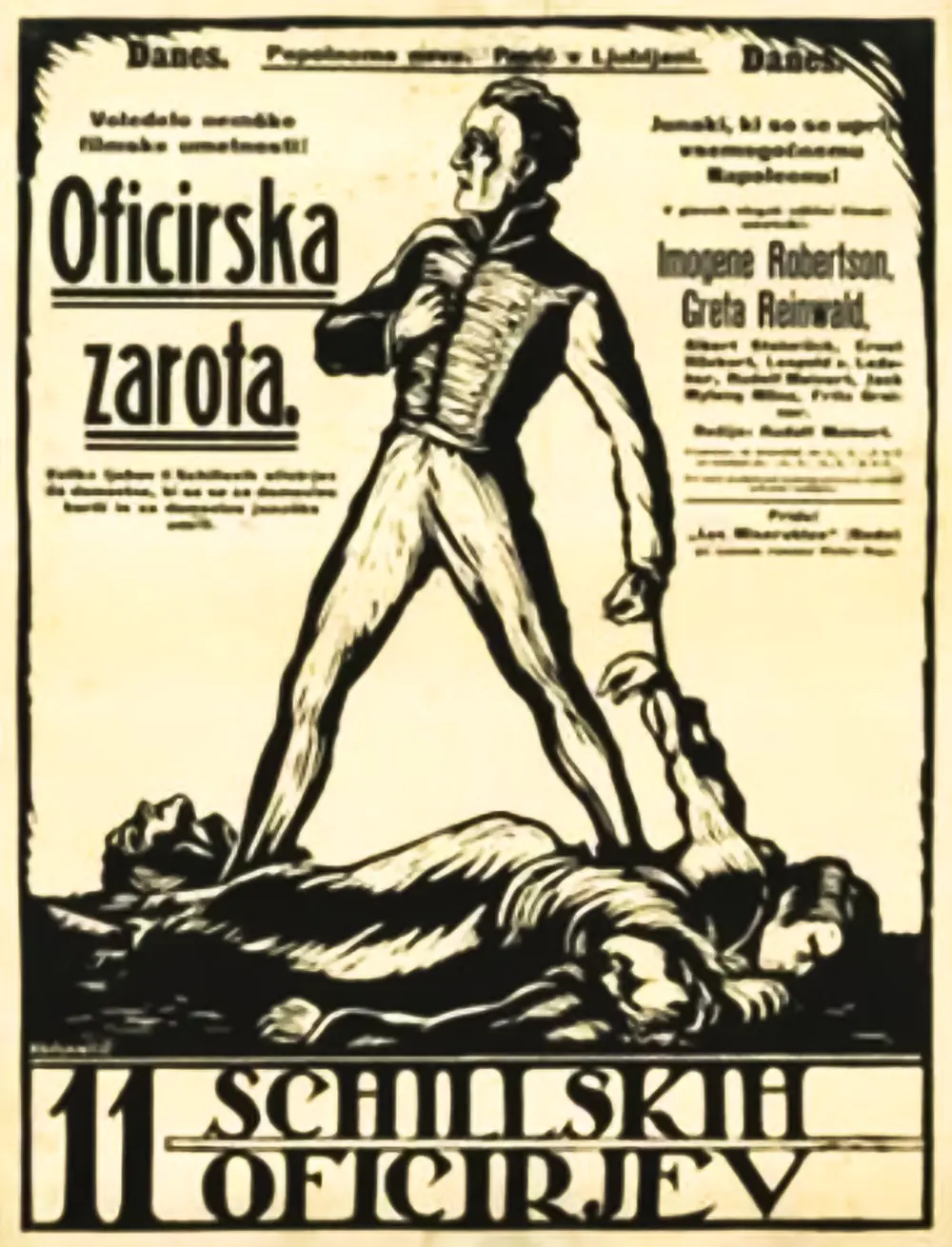
Is 'Eleven Who Were Loyal' worth watching today? Short answer: yes, but with significant caveats. This silent-era drama, while undeniably a product of its time, offers a compelling, albeit often slow-burn, exploration of human endurance and the complexities of allegiance. It is a film for the patient cinephile, the historian, and anyone with a deep appreciation for the foundational storytelling techniques that paved the way for modern cinema, but it is emphatically NOT for those seeking fast-paced action or contemporary narrative structures.
'Eleven Who Were Loyal' stands as a fascinating artifact, a window into the dramatic sensibilities of early 20th-century filmmaking. Released during an era when cinema was still finding its voice, this picture, despite its inherent limitations by today's standards, manages to convey powerful themes through visual narrative and the expressive performances of its ensemble cast. It demands a different kind of engagement from the viewer, one that rewards patience and a willingness to interpret nuance.
The film's primary strength lies in its ambition. To craft a story of such psychological depth and moral ambiguity without spoken dialogue is a monumental task, and while it doesn't always succeed perfectly, its efforts are commendable. The narrative, as it unfolds, feels less like a simple adventure and more like a morality play, etched onto celluloid.
The plot, as hinted by its evocative title, revolves around a core group of eleven individuals, tasked with defending a crucial mountain pass against an unnamed, relentless enemy. This setting immediately establishes a sense of isolation and high stakes. The tension isn't just external; it's deeply internal, simmering beneath the surface of every interaction.
We are introduced to Camilla von Hollay as the stern, unyielding leader, a figure carved from stoic resolve. Her performance, characterized by intense gazes and a rigid posture, anchors the ensemble. Opposite her is Rudolf Meinert, whose portrayal of the pragmatic, often cynical second-in-command, provides a vital counterpoint, hinting at the ever-present possibility of doubt and dissent within the ranks. The dynamic between these two is the film's beating heart.
The performances in 'Eleven Who Were Loyal' are, by necessity, broad and gestural, yet within these confines, several actors manage to carve out memorable portrayals. Camilla von Hollay, for instance, projects an authority that transcends the lack of dialogue. Her eyes, often shadowed and distant, convey a burden of leadership that feels genuinely heavy. There’s a particular scene where she silently observes her weary troops, her face a mask of determination mixed with profound sorrow, which speaks volumes without a single intertitle.
Rudolf Meinert's character, too, is a standout. His body language, a mix of weary resignation and simmering resentment, makes his eventual internal struggle feel palpable. The way he nervously clutches a map during a council scene, his gaze darting between his comrades, subtly telegraphs his growing unease long before any overt act of defiance. This is silent acting at its most effective – using the entire body as a canvas for emotion.
Bobbie Bender, as the young, idealistic recruit, offers a stark contrast to the seasoned veterans. His wide-eyed earnestness and occasional bouts of youthful impetuousness provide moments of both hope and vulnerability. His scene, attempting to rally flagging spirits with a naive song, is surprisingly poignant, highlighting the generational gap and the differing costs of war.
The direction, credited to Emmerich Hanus, demonstrates a keen understanding of visual narrative composition. The use of deep focus in certain shots, particularly those depicting the desolate mountain pass, effectively conveys the isolation and harshness of the environment. While not groundbreaking for its era, the cinematography is competent, serving the story rather than overshadowing it.
There's a memorable sequence involving a blizzard, where the swirling snow and the desperate huddled figures of the defenders are expertly framed. The sense of overwhelming nature, juxtaposed against human fragility, is powerfully rendered. It’s a testament to the director's ability to create atmosphere with limited resources. However, some of the interior scenes suffer from static camera work, feeling more like filmed stage plays than cinematic experiences.
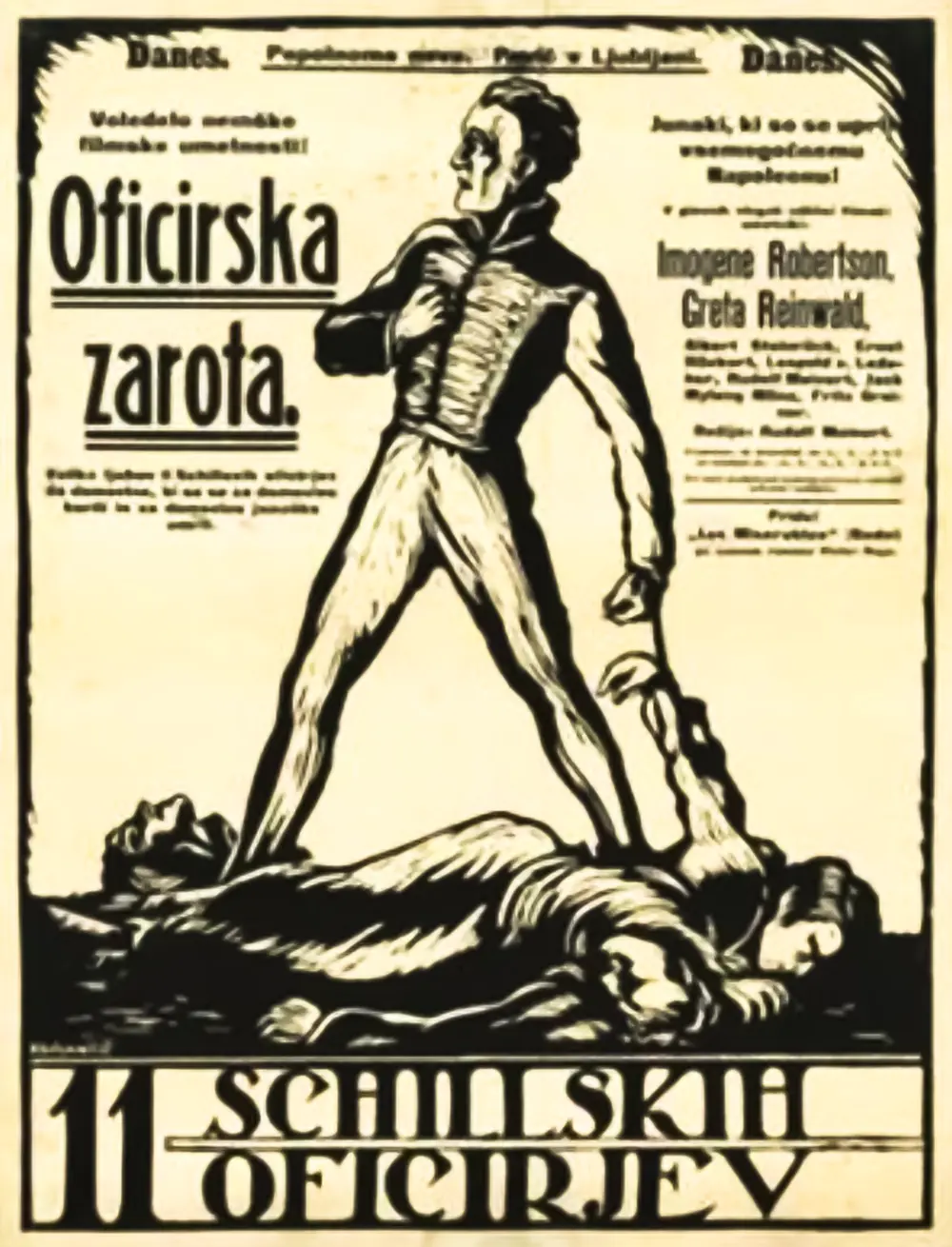
This film works because it commits wholeheartedly to its central theme of loyalty under duress, leveraging the expressive power of silent film acting to convey complex emotional states. It fails because its pacing can be glacial, demanding a level of viewer engagement that modern audiences may find challenging. You should watch it if you appreciate historical cinema, character-driven drama, and the art of non-verbal storytelling.
The pacing of 'Eleven Who Were Loyal' is, without sugarcoating it, deliberate. This is a slow burn, designed to allow the psychological tension to build gradually. Modern viewers accustomed to rapid cuts and constant narrative propulsion might find it a test of endurance. Scenes often linger, allowing the audience to absorb the emotional weight of a moment through extended gazes and subtle shifts in posture.
The tone is consistently somber, almost elegiac, befitting a story about sacrifice and unwavering commitment in the face of grim odds. There are very few moments of levity, which, while contributing to the film's serious mood, can also make it a rather heavy viewing experience. It’s a film that asks you to sit with its characters in their despair and resolve.
Absolutely, but with a clear understanding of what you're getting into. 'Eleven Who Were Loyal' is not a film that will instantly grab you with explosions or witty dialogue. It's a film that requires you to slow down, to engage with its visual language, and to appreciate the artistry of a bygone era. For those willing to make that investment, it offers a rich, if sometimes challenging, experience.
It serves as an excellent case study for film students and historians, showcasing how fundamental narrative techniques were honed. The film’s ability to evoke empathy and tension through purely visual means is a lesson in itself. It is a testament to the power of human expression before sound became a crutch.
However, for the casual viewer expecting a 'movie night' experience, this might not be the right choice. It requires a specific mindset, a willingness to be transported to a different cinematic landscape. It works. But it’s flawed. Its flaws, however, are often as instructive as its successes.
One surprising observation is how effectively the film uses the absence of sound to its advantage. Instead of feeling like a deficit, the silence amplifies the harshness of the environment and the internal monologues of the characters. The howling wind, imagined by the viewer, becomes more piercing than any sound effect could achieve. This isn't just a silent film; it's a deliberately quiet film, forcing introspection.
I would argue that the film's greatest strength, its unwavering commitment to depicting the slow erosion of hope, is also its biggest weakness. While it creates a powerful sense of realism, it occasionally verges on repetitive, particularly during the extended siege sequences. A tighter edit, even for a silent film, might have heightened the drama without sacrificing its emotional core.
Furthermore, the character of Albert Steinrück, the grizzled veteran, feels criminally underutilized. His brief moments on screen hint at a fascinating backstory and a depth of experience that could have added another compelling layer to the group dynamic. Instead, he often recedes into the background, a missed opportunity for even richer character exploration.
'Eleven Who Were Loyal' is a film that demands respect for its ambition and its place in cinematic history. It’s a stark, unyielding portrayal of human resilience and the fragile bonds of loyalty when pushed to their breaking point. While it certainly won't appeal to everyone, those with a genuine interest in the foundations of film and a willingness to immerse themselves in its unique rhythm will find a rewarding, if challenging, experience.
It serves as a powerful reminder that compelling storytelling doesn't require complex visual effects or intricate sound design; it requires compelling characters and a story worth telling. While it lacks the groundbreaking artistry of films like The Painted World or the sheer spectacle of The Avalanche, its quiet intensity leaves a lasting impression. Approach it not as a casual entertainment, but as an historical document, a dramatic treatise on the human spirit, and you might just discover something profoundly moving beneath its aged surface. It is a film that, despite its years, still has something important to say about what it means to be truly loyal.
IMDb 6.9
1935
Community
Log in to comment.