DbcultAccessing Vault...
Cult Review
Senior Film Conservator
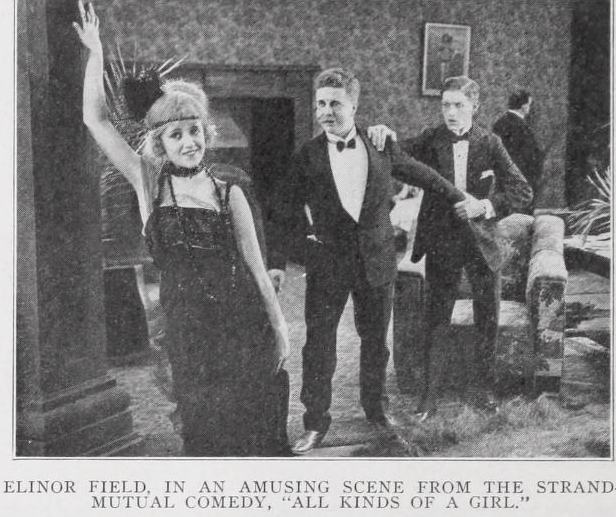
In the shimmering, often overlooked annals of silent cinema, certain films emerge not just as artifacts of a bygone era, but as surprisingly prescient commentaries on the enduring human condition. Such is the case with All Kinds of a Girl, a cinematic gem that, despite its seemingly lighthearted premise, delves with remarkable insight into the labyrinthine complexities of identity, societal expectation, and the performative nature of love itself. This 1919 offering, featuring the dynamic performances of Cullen Landis and Billie Rhodes, is far more than a simple romantic comedy; it’s a fascinating sociological study wrapped in a charming narrative, inviting audiences to ponder how much of ourselves we truly present, and how much is merely a carefully constructed facade designed to win approval.
At its core, the film presents a universal dilemma: how does one navigate the often-conflicting desires of the heart with the practical demands of securing a future? Our youthful protagonist, deeply enamored, finds himself in a predicament common to many a suitor in an age where familial wealth often dictated marital prospects. His rich uncle, a figure of significant influence, holds the key to his financial security, and by extension, his ability to marry the girl he loves. The catch? The uncle’s approval is contingent upon his future niece-in-law embodying a certain, as-yet-undefined, ideal. This sets in motion the central conceit of the film: the sweetheart, played with captivating versatility by Billie Rhodes, undertakes a series of dramatic transformations, each designed to uncover the uncle's elusive ideal of womanhood.
The first persona adopted by Rhodes is that of the demure, quiet, and perpetually industrious young woman. Picture her, seated serenely, fingers deftly working the needles, producing articles for the Red Cross. This archetype speaks volumes about the early 20th-century ideal of feminine virtue: a retiring nature, an aversion to frivolity, and a diligent application to tasks of civic or domestic utility. She is the embodiment of modesty and selfless service, a figure designed to evoke admiration through her quiet competence and unwavering dedication to worthy causes. This portrayal is a nuanced reflection of a society that prized composure and a gentle spirit, suggesting that true worth lay not in outward display but in an inner world of quiet purpose. Rhodes, through subtle gestures and a composed demeanor, masterfully conveys this ideal, her eyes downcast in humility, her movements precise and unhurried. It’s a performance of understated grace, a stark contrast to the flamboyant characters that would follow.
From the quiet contemplation of the Red Cross knitter, Rhodes pivots sharply to the quintessential domestic goddess. Here, we encounter the little domestic girl, whose joy lies in the rhythmic dance of household chores. She potters about with pots and pans, a veritable whirlwind of activity around steaming kettles, her hands never idle as she constantly applies the dust cloth and broom. This persona taps into another deeply ingrained societal expectation: the woman as the heart and soul of the home, the meticulous keeper of its order and comfort. Her domain is the kitchen and the parlor, her tools are the implements of cleanliness and sustenance. This is a woman whose value is measured by her ability to create a warm, inviting, and impeccably maintained living space. Rhodes imbues this character with an energetic earnestness, her movements purposeful, her expressions beaming with satisfaction at a job well done. It’s a portrayal that, while perhaps quaint by modern standards, resonated deeply with an audience that still largely viewed the domestic sphere as the primary realm of female influence and competence. The contrast with the previous persona highlights the multifaceted (and sometimes contradictory) expectations placed upon women of the era.
Perhaps the most striking departure from traditional ideals is Rhodes's transformation into the sporty girl. Clad in a riding habit, she embodies the burgeoning spirit of female athleticism and independence that characterized the early 20th century. This is a woman who not only handles a horse with confident ease but also drives a car – a symbol of modernity and personal freedom in an era when automobiles were still a relatively new luxury. Her constant activity and athletic prowess speak to a shift in societal norms, where women were increasingly encouraged to embrace physical vigor and participate in activities previously deemed masculine. This persona challenges the notion of the frail, delicate female, presenting instead a vibrant, capable, and self-possessed individual. Rhodes’s body language in this role is utterly transformed; she exudes confidence, energy, and a playful disregard for conventional feminine restraints. It’s a forward-looking portrayal, hinting at the flapper era just around the corner, and subtly questioning whether the uncle’s ideal might extend beyond the confines of the traditional home or drawing-room. This character, in her assertion of physical and personal agency, stands in stark relief to the more subdued roles, demonstrating the breadth of evolving gender roles.
The dramatic zenith of Rhodes's chameleon act arrives with her portrayal of the vampire. This is not a literal bloodsucker, but rather the cinematic archetype of the femme fatale, a woman of intoxicating charm and dangerous allure. She captivates both old and young with her beguiling presence, her eyes holding a mysterious depth, her gestures imbued with a seductive power. The true genius of this persona lies in its unexpected impact on the rich uncle (portrayed by Billy Bevan). Despite his gray hair and nose glasses, symbols of his presumed wisdom and detachment, he seems to fall hardest under her spell. This unexpected susceptibility is a delicious irony, suggesting that even the most seemingly discerning individuals are not immune to primal attraction and carefully crafted mystique. The vamp challenges all previous ideals; she is neither demure, domestic, nor merely sporty. She is pure allure, an embodiment of forbidden desire and intoxicating danger. Rhodes's performance here is a masterclass in silent film acting – the flick of a wrist, the languid gaze, the subtle tilt of the head, all convey a potent sexuality that transcends dialogue. It's a bold, provocative choice, hinting at the deeper, often irrational currents that govern human attraction, even when juxtaposed against carefully constructed societal expectations.
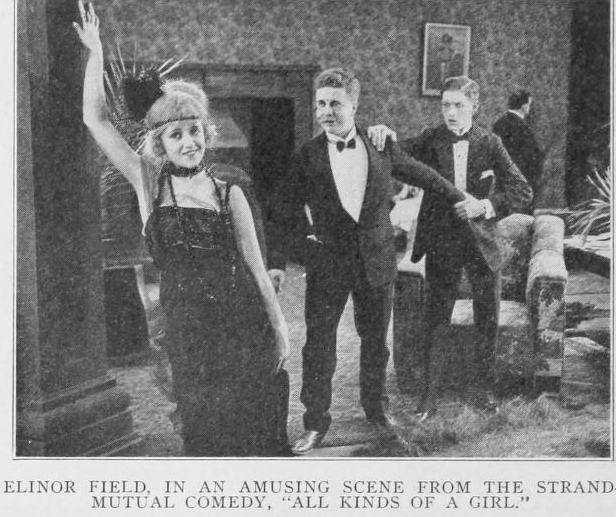
The true triumph of All Kinds of a Girl rests squarely on the shoulders of Billie Rhodes. Her ability to seamlessly transition between these four wildly disparate archetypes is nothing short of remarkable. In an era devoid of spoken dialogue, actors relied entirely on physical expression, facial nuance, and precise body language to convey character and emotion. Rhodes excels at this, creating distinct, believable personalities for each iteration of the sweetheart. Her performance is a testament to the power of silent acting, where every gesture, every tilt of the head, every shift in posture carries immense narrative weight. Cullen Landis, as the eager suitor, provides a grounding presence, his reactions to Rhodes’s transformations often serving as the audience’s emotional barometer. Billy Bevan, as the uncle, delivers a performance that oscillates between the stern arbiter of propriety and the surprisingly vulnerable target of the vamp's charm. Their interplay, though silent, speaks volumes about the dynamics of aspiration and affection. Rhodes doesn't just change costumes; she changes her very essence, demonstrating a profound understanding of character and the art of physical storytelling. This range is what elevates the film beyond a simple farce, turning it into a compelling showcase of an actor's craft.
Beyond its engaging narrative and impressive performances, All Kinds of a Girl offers a rich tapestry of thematic explorations. The most prominent theme is, undoubtedly, the fluidity and performative nature of identity. The sweetheart’s deliberate adoption of various roles forces us to question what constitutes an 'authentic' self, particularly when external approval, or even love, is at stake. Is she truly any of these women, or is she merely a reflection of what she believes others desire? This resonates deeply in an age where social media often encourages curated personas. The film also provides a fascinating snapshot of the diverse, sometimes contradictory, expectations placed upon women in the early 20th century. From the ideal of domesticity and quiet virtue to the emerging ideal of the independent, athletic woman and the alluring, dangerous vamp, these archetypes represent the spectrum of female roles available (or imposed) at the time. The narrative implicitly asks: which of these is 'right'? And who gets to decide? The uncle, as the arbiter of his nephew's future, becomes a surrogate for societal judgment, his preferences dictating the 'correct' path to acceptance and happiness.
The film's exploration of these themes finds intriguing parallels in other silent films that delved into the complexities of self and society. For instance, one might draw comparisons to films like Marionetten, where characters might be seen as puppets controlled by external forces or their own carefully constructed facades. Similarly, the idea of a 'truant soul' – one perhaps hiding its true nature or searching for belonging – can be seen in films like The Truant Soul, where inner conflict and the quest for identity are central. The sweetheart's journey is, in essence, a search for the 'right' self to present, a strategic maneuver in the game of love and social acceptance. This constant shifting of identity, while played for comedic and romantic effect, reveals a deeper truth about the pressures individuals face to conform to external ideals, particularly when significant personal stakes are involved. The film's charm lies in its ability to highlight these profound observations through a light, engaging narrative, making complex ideas accessible to a broad audience.
While specific directorial credits for such early films can sometimes be obscured, the visual storytelling in All Kinds of a Girl is remarkably effective. The use of distinct costuming and setting for each persona immediately signals the shift in character, allowing the audience to follow the rapid changes without confusion. The cinematography, typical of the era, relies on clear compositions and expressive close-ups to convey emotion and character detail. The pacing is brisk, maintaining engagement as the narrative unfolds through its series of character transformations. The film cleverly uses the uncle's reactions as a barometer, his changing expressions providing both humor and insight into his evolving preferences. The overall aesthetic is clean and functional, allowing the strength of the performances and the novelty of the premise to shine through. It’s a testament to the ingenuity of early filmmakers who, with limited technology, managed to craft narratives that were both entertaining and thought-provoking. The film's enduring appeal lies not just in its historical value, but in its timeless exploration of how we present ourselves to the world, and how those presentations shape our relationships and destinies. It asks: in the grand performance of life, which role truly wins the heart, and is it ever truly 'us'?
The final resolution of the story, though perhaps predictable in its romantic outcome, doesn't diminish the journey. The uncle's ultimate choice, or perhaps his realization about the futility of such a 'test,' provides a satisfying conclusion to the sweetheart's elaborate charade. It subtly suggests that while external appearances and societal expectations can dictate initial judgments, genuine connection and affection often transcend these superficial boundaries. The film, in its quiet wisdom, seems to advocate for an understanding that love, in its truest form, might just be about accepting 'all kinds of a girl' – or boy – rather than seeking a singular, predefined ideal. This message, wrapped in the delightful antics of a silent-era romance, makes All Kinds of a Girl a captivating watch even today, reminding us of the enduring complexities of human relationships and the intricate dance between authenticity and aspiration.
Ultimately, All Kinds of a Girl stands as a charming, yet surprisingly profound, artifact from the silent era. It transcends its simple romantic premise to offer a nuanced commentary on identity construction, the societal pressures shaping courtship, and the elusive nature of 'the ideal partner.' Billie Rhodes's remarkable performance, oscillating effortlessly between disparate archetypes, is the film's beating heart, demonstrating a versatility that would impress even modern audiences. As we watch her navigate these carefully curated personas, we are invited to reflect on our own performances in life, the masks we wear, and the underlying quest for acceptance and love. It’s a film that, despite its age, feels remarkably contemporary in its exploration of selfhood and the ever-present tension between who we are and who we are expected to be. For enthusiasts of silent cinema, or indeed anyone fascinated by the evolution of storytelling and social commentary through film, All Kinds of a Girl is an essential, delightful, and thought-provoking viewing experience. Its legacy is not just as a historical curiosity, but as a subtle yet potent reminder that sometimes, the greatest act of love is simply being oneself, or perhaps, being all kinds of a self, all at once.
IMDb —
1923
Community
Log in to comment.