DbcultAccessing Vault...
Cult Review
Senior Film Conservator
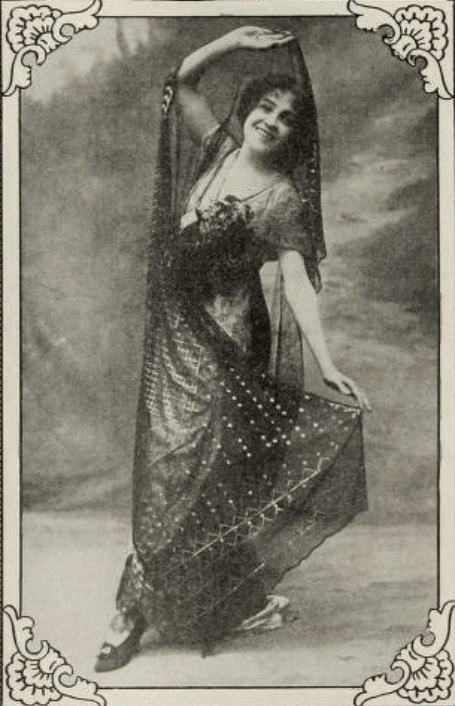
Stepping back into the hallowed, often overlooked, annals of early British cinema, one encounters Doorsteps, a 1916 production that, despite its vintage, resonates with a surprising contemporary relevance. Directed by and starring Henry Edwards, alongside the luminous Florence Turner, this silent drama unfolds with a compelling narrative arc that speaks to ambition, social mobility, and the enduring power of human connection against formidable odds. It’s a work that, even through the flickering lens of a century-old projector, manages to convey a palpable sense of character and dramatic urgency, a testament to the sophisticated storytelling capabilities of its era.
At its core, Doorsteps is a Cinderella story, albeit one steeped in the grit and grime of a London boarding house rather than the fantastical realm of fairy tales. Our protagonist, portrayed with an exquisite blend of vulnerability and nascent strength by Florence Turner, is a nameless skivvy, a domestic drudge whose life is a relentless cycle of menial tasks. Her existence is one of quiet servitude, her dreams likely confined to the fleeting moments between chores. Turner, a true pioneer of early cinema, brings an astonishing depth to this character, conveying volumes with a mere glance or a subtle shift in posture. Her performance transcends the often broad gestures associated with silent acting, offering a nuanced portrayal of a young woman trapped by circumstance yet possessing an unquenchable inner fire. This is not merely a performance; it is an embodiment, a masterclass in conveying complex emotion without uttering a single word. Her transformation throughout the film is not just external but deeply internal, a blossoming of self-worth that is genuinely moving to witness.
The catalyst for this metamorphosis arrives in the form of a struggling playwright, played by Henry Edwards himself. He is a man of artistic temperament, wrestling with his craft and the harsh realities of poverty. His interactions with the skivvy are initially transactional, but a deeper recognition of her untapped potential soon emerges. Edwards, both behind and in front of the camera, crafts a character who is empathetic but also somewhat self-absorbed, a believable artist whose vision is perhaps clearer than his understanding of the world around him. The dynamic between them is fascinating, built on a foundation of shared struggle and a mutual, if unspoken, respect for the power of narrative. It’s a relationship that begins with patronage and evolves into something far more profound, a symbiotic bond forged in the crucible of artistic creation and personal peril. The film subtly explores the class divides of the period, hinting at the rigid social structures that dictated such relationships, yet it also celebrates the capacity for individual talent to transcend these barriers, a theme that resonates powerfully even today. The playwright's initial blindness to the skivvy's inherent value, slowly giving way to admiration, forms a crucial emotional arc.
As the skivvy sheds her apron for the theatrical stage, her journey becomes a captivating exploration of identity and aspiration. The transition from the drab, utilitarian world of the boarding house to the glamorous, albeit precarious, realm of acting is handled with a keen eye for detail. The film doesn't shy away from depicting the inherent risks and uncertainties of such a leap, yet it also revels in the sheer joy of self-discovery. Turner’s portrayal of this evolution is particularly striking; we see her character gain confidence not just in her acting abilities but in her very being. This ascension is not merely a plot device but a profound statement on the potential for art to elevate and transform. It’s a narrative thread that can be seen, albeit in vastly different contexts, in other films exploring social mobility and personal transformation, such as the dramatic shifts observed in characters striving to escape their origins, much like the intense ambition depicted in segments of The House of Bondage, where societal constraints are frequently challenged by individual will. The film posits that true talent, given the opportunity, will inevitably shine, regardless of its humble beginnings.

However, the narrative takes a darker, more thrilling turn with the introduction of an insane convict, a malevolent force from the playwright’s past. This antagonist, driven by a twisted sense of revenge, injects a potent element of suspense and danger into the story. The film expertly builds tension around this character, whose unpredictable and violent nature poses a grave threat to both the playwright and his newfound muse. The contrast between the burgeoning artistic world and the brutal reality of this escaped madman is stark, creating a compelling dramatic friction. This shift in tone demonstrates Edwards' versatility as a storyteller, moving beyond pure melodrama into the realm of a psychological thriller. The presence of such a clear and present danger elevates the stakes considerably, transforming a tale of artistic struggle into a life-or-death battle. The way the film handles the psychological instability of the convict, without resorting to caricature, is surprisingly effective for its time, hinting at a deeper understanding of human depravity. The shadow he casts over the protagonists' burgeoning success is long and menacing, a constant reminder of the fragility of happiness and safety.
The climax of Doorsteps is a masterclass in silent film suspense. It culminates in a gripping confrontation where the skivvy-turned-actress must rise to the occasion, not on a stage, but in a real-life drama, to save the playwright from the convict’s insane machinations. This heroic act solidifies her transformation, proving that her strength extends far beyond the theatrical. It's a moment of profound courage, where her loyalty and newfound self-possession are put to the ultimate test. The scene is choreographed with remarkable precision, leveraging the visual language of silent cinema to amplify the tension and emotional impact. The use of close-ups, rapid cutting, and expressive body language creates an immersive experience, drawing the audience into the heart of the perilous situation. This climactic sequence not only resolves the immediate conflict but also serves as a powerful affirmation of the protagonist's journey, bringing her arc to a deeply satisfying conclusion. One might draw parallels in terms of sheer tension and the unexpected heroism of an ordinary individual thrust into extraordinary circumstances with the more visceral thrillers of the era, though The Fighting Grin, for example, leaned more heavily into pure adventure. Here, the heroism feels earned, a natural culmination of character development.
Henry Edwards' direction throughout Doorsteps is noteworthy for its clarity and emotional resonance. As both director and lead actor, he demonstrates an acute understanding of visual storytelling, a crucial skill in the silent era. His camera work, while perhaps not as overtly experimental as some of his contemporaries, is always purposeful, guiding the viewer's eye and enhancing the narrative's emotional beats. The pacing is deliberate, allowing moments of quiet introspection to breathe before accelerating into sequences of dramatic action. The effective use of intertitles, far from being mere exposition, often adds poetic flourish or incisive commentary, enriching the overall experience. Edwards’ ability to elicit such nuanced performances from his cast, particularly Florence Turner, speaks volumes about his directorial prowess. He navigates the complexities of the plot with a steady hand, ensuring that each twist and turn feels earned and impactful. The film is a testament to the collaborative spirit of early cinema, where the vision of a single artist could shape a compelling and enduring work. His dual role undoubtedly gave him a unique perspective, allowing him to finely tune the performances to his directorial vision, resulting in a cohesive and emotionally charged production.
The supporting cast, while perhaps not as prominently featured, contributes significantly to the film's rich tapestry. Fred Rains, Campbell Gollan, and Amy Lorraine all deliver performances that ground the narrative in a believable reality, providing the necessary foils and emotional anchors for the central protagonists. Their contributions, often subtle, help to flesh out the world of the boarding house and the theatrical milieu, adding layers of authenticity to the setting. The ensemble's collective effort creates a believable environment, one that feels lived-in and authentic, whether it's the weary resignation of other boarders or the bustling energy of the stagehands. These smaller roles are vital in building the cinematic universe, offering context and depth to the main storyline. Without their contributions, the central drama might feel isolated, but instead, it is firmly rooted in a recognizable social fabric. This attention to detail in even minor characters is a hallmark of thoughtful filmmaking, demonstrating a commitment to a fully realized world rather than just a simplistic backdrop for the main players.
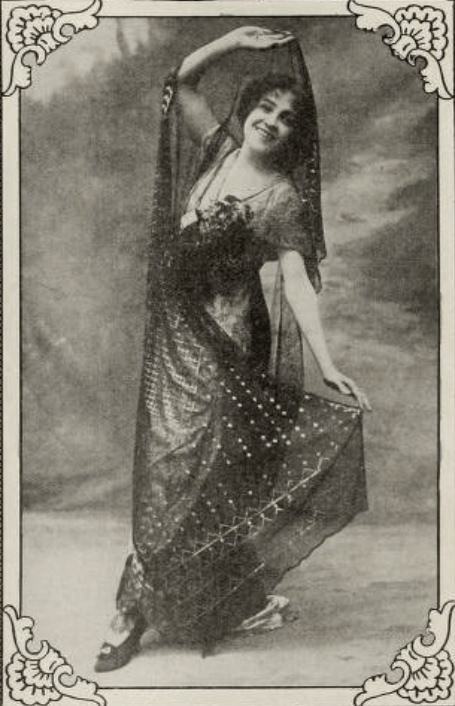
One cannot discuss Doorsteps without acknowledging its thematic depth. Beyond the surface narrative of romance and suspense, the film delves into profound questions about social class, the pursuit of art, and the nature of ambition. It suggests that talent knows no social boundaries and that true worth resides not in one's birthright but in one's character and capabilities. The protagonist’s journey from anonymity to acclaim serves as a powerful allegory for the democratizing potential of art itself. Moreover, the film touches upon themes of redemption and the transformative power of love and loyalty. It’s a narrative that, despite its period setting, feels surprisingly modern in its exploration of human potential and societal constraints. The film’s message, that even the most overlooked individuals possess immense strength and capacity for greatness, resonates across generations. This thematic richness elevates Doorsteps beyond mere entertainment, cementing its status as a work of artistic merit. It’s a poignant reminder that the struggles for recognition and self-actualization are timeless, connecting us to characters from a bygone era with striking immediacy.
From a technical perspective, considering its 1916 production date, Doorsteps is a remarkably polished film. The cinematography, while constrained by the technology of the time, is effective in establishing mood and conveying narrative information. The interior shots of the boarding house are appropriately stark, emphasizing the protagonist's initial plight, while the theatrical scenes burst with a nascent dynamism. The editing is fluid, maintaining a clear narrative flow that is easy to follow, a crucial element for silent films where visual clarity is paramount. The film’s visual language is economic yet expressive, using composition and light to underscore character emotions and plot developments. While it may lack the elaborate set pieces or groundbreaking camera techniques of later silent epics, its technical competence serves the story admirably, never allowing stylistic flourishes to overshadow the human drama at its heart. The practical limitations of early cinema often forced filmmakers to be incredibly inventive with what they had, and Doorsteps is a fine example of this ingenious resourcefulness.
Comparing Doorsteps to other films of its era, or even later works, offers valuable context. While it shares a certain melodramatic sensibility with films like Gold and the Woman, its particular blend of social commentary, artistic aspiration, and thrilling suspense carves out its own distinct niche. Florence Turner’s performance, in particular, stands as a benchmark for compelling female protagonists in early cinema, echoing the strength and resilience seen in strong female leads, even if in vastly different narratives, such as the iconic portrayal in Carmen. The film's engagement with the theatrical world as a backdrop for personal transformation also offers interesting parallels with narratives that explore the blurring lines between art and life, or the redemptive power of performance. Its examination of class and opportunity, while less overtly political than some of its contemporaries, still offers a potent social critique, reflecting the societal anxieties and hopes of early 20th-century Britain. The film doesn't preach, but rather presents its observations through the lived experiences of its characters, making its commentary all the more impactful. This nuanced approach to social issues makes it a more enduring piece than many of its more overtly didactic counterparts.
In conclusion, Doorsteps is far more than a historical curiosity; it is a vibrant, emotionally charged drama that speaks to universal themes of ambition, courage, and the transformative power of art. Florence Turner delivers a career-defining performance, anchoring the film with her remarkable presence and expressive talent. Henry Edwards, both as director and actor, crafts a narrative that is both engaging and thought-provoking, balancing moments of tender human connection with thrilling suspense. For enthusiasts of silent cinema, or anyone interested in the foundational works of British film, Doorsteps offers a rich and rewarding viewing experience. It serves as a powerful reminder that even in the earliest days of the medium, filmmakers were capable of producing works of profound depth and enduring appeal. Its legacy, though perhaps understated in broader cinematic discourse, is undeniable for those who seek out the gems of early filmmaking. It's a film that truly deserves to be rediscovered, not just for its historical significance, but for its intrinsic artistic merit and its ability to captivate audiences even a century later. This is a story that, much like its protagonist, rises above its humble origins to achieve something truly remarkable, leaving an indelible mark on the discerning viewer.
IMDb —
1915
Community
Log in to comment.