
After WWI, German cinema shifted from comedies to serious themes. Silent expressionist films like "Caligari" and "Carmen" gained international recognition.
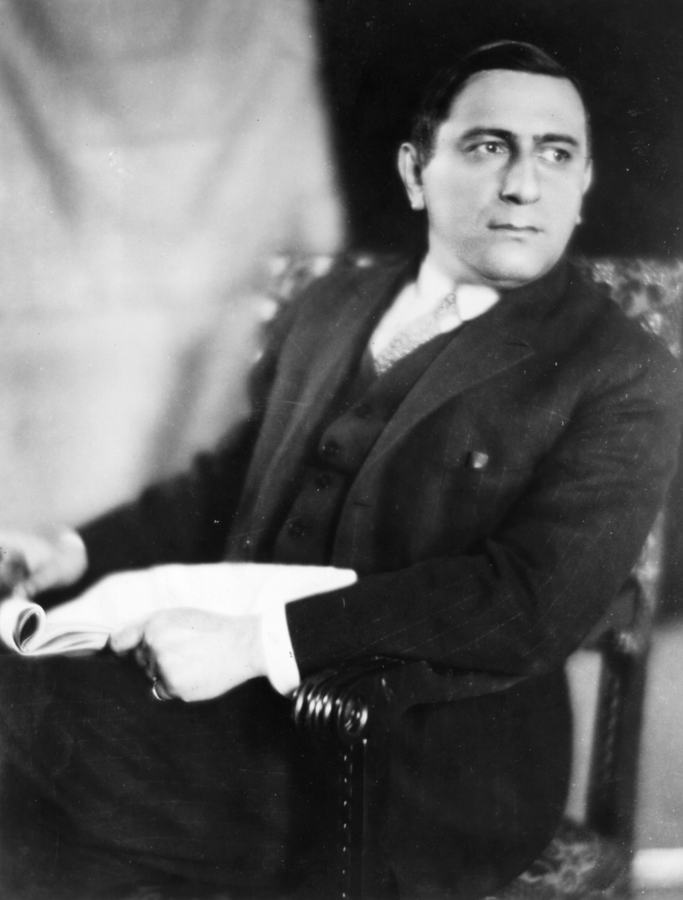
Grete Diercks, Prosper Mérimée, Norbert Falk, M.M. Stearns, Hanns Kräly
Germany
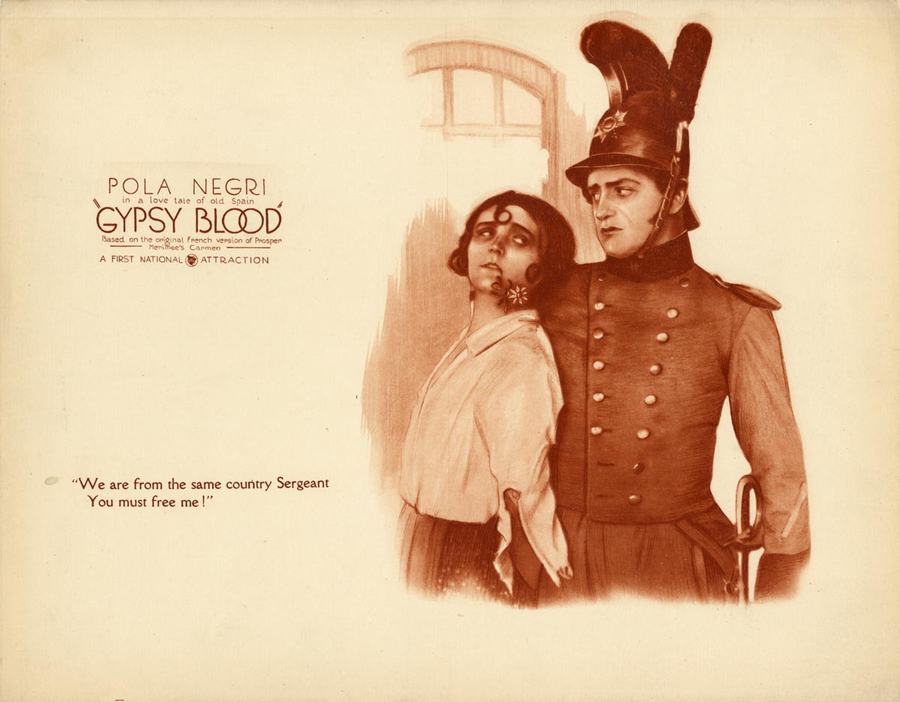
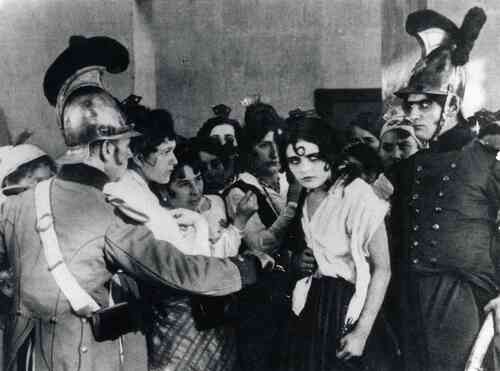
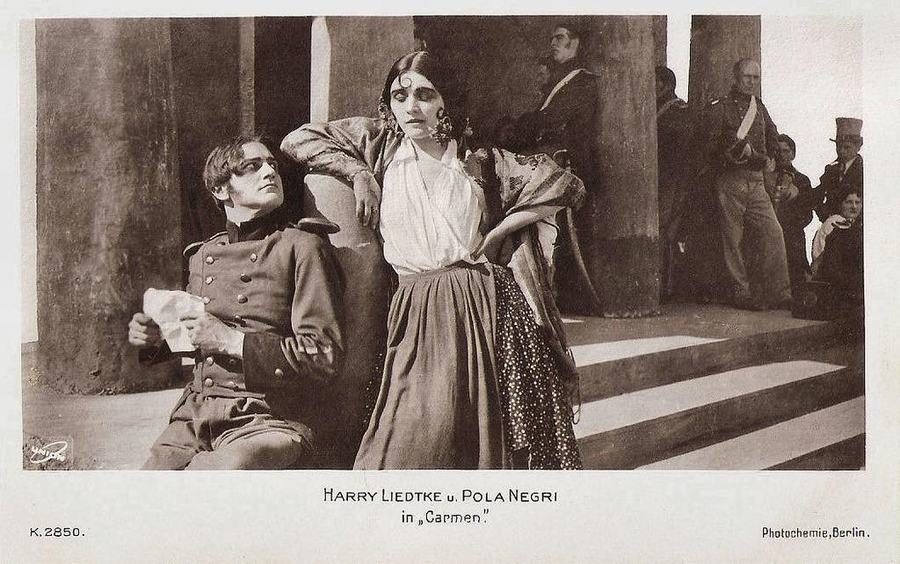
The Fiery Heart of a Nation Reborn: Ernst Lubitsch's 'Carmen' (1918) In the aftermath of the Great War, as the ashes of old empires settled and the geopolitical map of Europe was irrevocably redrawn, Germany found itself in a period of profound introspection and artistic ferment. The nation, grappling with def...
production_art
still_frame

still_frame
still_frame

production_art

production_art

production_art
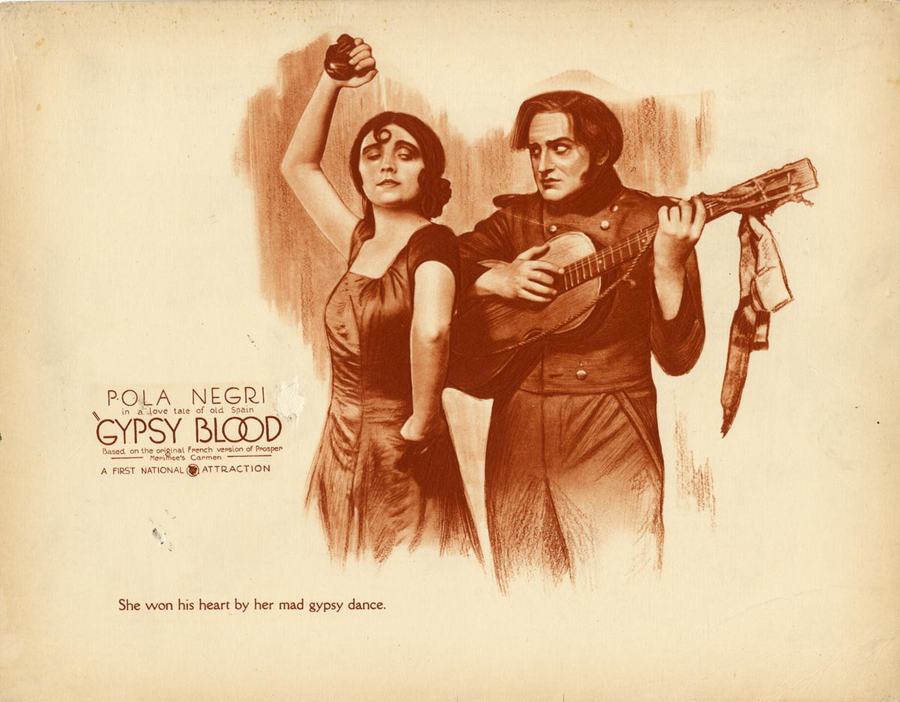
production_art
Comparing the cinematic DNA and archive impact of two defining moments in cult history.
Ernst Lubitsch

Ernst Lubitsch
Community
Log in to comment.
" The Fiery Heart of a Nation Reborn: Ernst Lubitsch's 'Carmen' (1918) In the aftermath of the Great War, as the ashes of old empires settled and the geopolitical map of Europe was irrevocably redrawn, Germany found itself in a period of profound introspection and artistic ferment. The nation, grappling with defeat and societal upheaval, sought new forms of expression to articulate the complex psychological landscape of its people. This era marked a dramatic pivot in German cinema, moving..."