DbcultAccessing Vault...
4.5/10
Senior Film Conservator
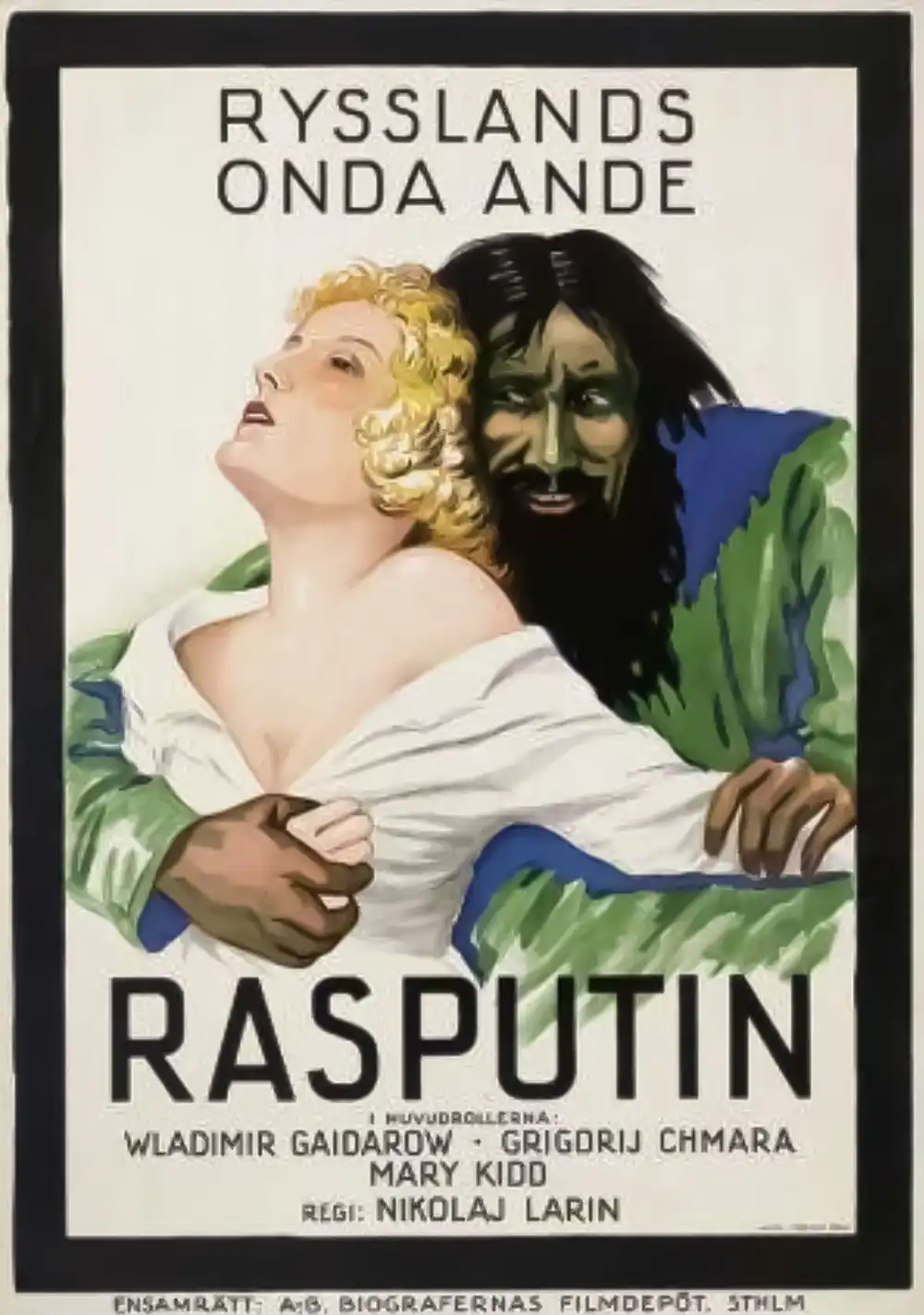
A definitive 4.5/10 rating for a film that redefined the boundaries of cult cinema. Dornenweg einer Fürstin remains a cornerstone of transgressive art.
If you aren’t already deep into the weeds of late-1920s European silent cinema, you can probably skip this one. It’s for the completionists, the people who want to see every frame Hans Albers ever stood in, or those who find a weird comfort in the specific, heavy gloom of Weimar-era melodrama. It’s not a 'lost masterpiece.' It’s more like a heavy piece of Victorian furniture—impressive to look at for a second, but mostly just in the way.
The first thing that hits you is the lighting. It’s very 1928. There’s a scene early on where the light hits Hedwig Wangel’s face at such a sharp angle that she looks like she’s being interrogated by the sun. It’s beautiful, sure, but it feels disconnected from whatever is actually happening in the plot. The movie is full of these moments where the cinematography is trying to do all the heavy lifting because the story is just... dragging.
Gregori Chmara is here, doing that intense, brooding thing he does. He has this habit of staring just slightly off-camera, which I think is supposed to look soulful, but after the third or fourth time, it just looks like he’s trying to read a clock on the back wall. There’s a lack of genuine heat between the leads. You see them moving through these grand rooms, wearing these incredibly stiff costumes—Mary Kid looks like she’s being strangled by her own collar half the time—and you just don't feel much of anything.
There is an odd scene in a garden that actually works. The editing slows down, and for a minute, the movie stops trying to be a Grand Tragedy and just lets the characters exist in the space. It reminded me a bit of the better moments in Romola, where the atmosphere finally catches up to the ambition. But then we’re back to the 'thorny path' stuff, and the pacing falls off a cliff again.
Hans Albers shows up, and you can immediately tell he’s going to be a star. He has this physical presence that makes everyone else in the room look like they’re made of cardboard. Even when he isn’t doing much, he’s the only one who feels like a modern human being. The rest of the cast is still trapped in that older, pantomime style of acting that was already starting to feel dated by the late 20s. It’s similar to the tonal clash you see in My American Wife, where the movie can't quite decide if it's a serious drama or a showcase for its leads.
The title cards are relentless. Just as a scene starts to build some visual momentum, a giant block of text interrupts to tell you exactly how the characters are feeling, just in case you missed the three minutes of weeping that preceded it. It’s frustrating because the director, Boris Nevolin, clearly has an eye for composition. There’s a shot of a staircase toward the end—very Expressionist, lots of long shadows—that is genuinely striking. But it’s a five-second highlight in a movie that feels twice as long as its runtime.
One thing that kept distracting me: the extras in the background of the ballroom scenes. They look completely lost. There’s a couple in the far left of one shot who seem to be having a genuine argument that has nothing to do with the movie. I found myself watching them more than the actual protagonists. It’s those little cracks in the production that make these old silents interesting to watch today, even when the main story is a bit of a slog.
If you're looking for something with more bite from this period, you’d be better off with something like The Crisis. Dornenweg einer Fürstin is fine, I guess, if you want to soak in the aesthetics of the era, but it’s a lot of work for very little emotional payoff. It’s a movie of beautiful, static frames that never quite learn how to breathe.
IMDb 7.1
1934
Community
Log in to comment.