DbcultAccessing Vault...
3.5/10
Senior Film Conservator
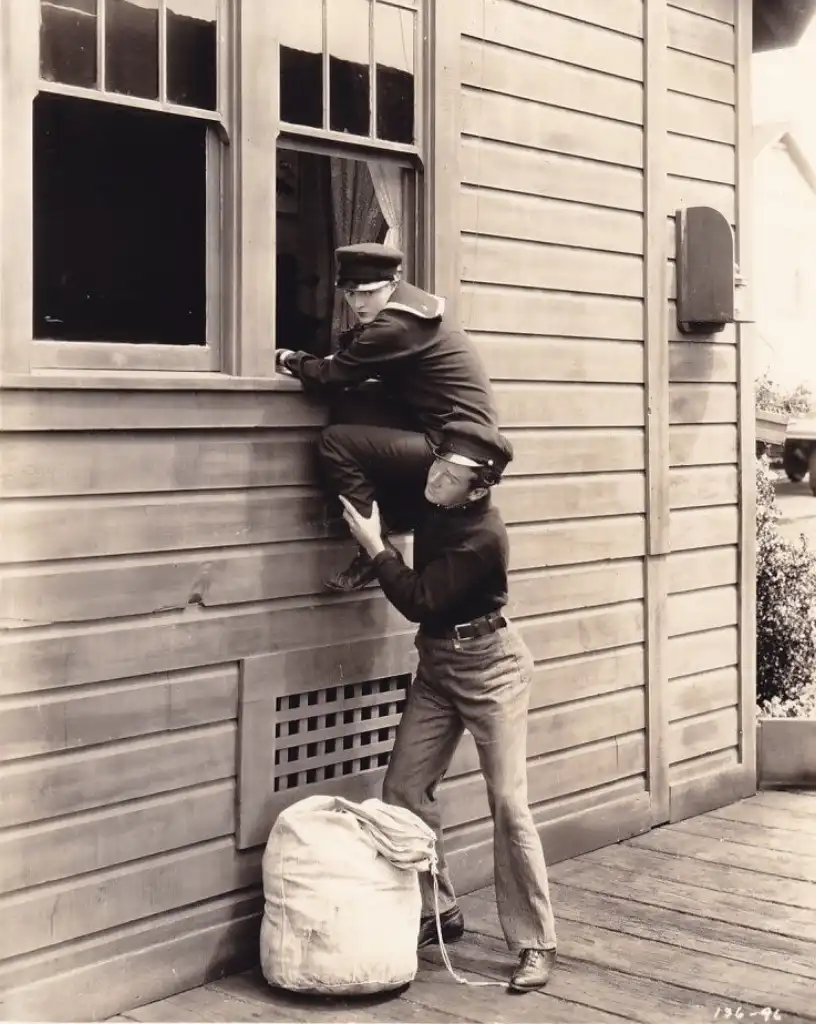
A definitive 3.5/10 rating for a film that redefined the boundaries of cult cinema. Waterfront remains a cornerstone of transgressive art.
Look, if you're a die-hard fan of early talkies or just really into gritty, low-budget period pieces, then Waterfront might scratch an itch. Everyone else? Probably give it a wide berth. It's got moments, sure, but it also asks a lot of patience. This is one for the truly curious, not a casual Friday night watch.
The film opens with these sweeping shots of the docks, all the hustle and bustle, which is genuinely well-captured for the era. You get a real sense of the scale, the industry. Then it zeroes in on Jack Mulhall's character, Mike, and the energy just… deflates a little. He’s supposed to be this tough but principled guy, but his initial scenes feel more tired than determined. It's like the camera caught him on a particularly long shift even before the story really kicked off.
Dorothy Mackaill, as Mike’s sister, Ann, has this interesting vulnerability, but her costume choices are a bit baffling. There’s a scene where she’s supposedly just come from a confrontation on the docks, but her dress looks like it's been freshly pressed, not a single smudge. It pulls you right out of the supposed realism. You keep thinking, 'How did she keep it so pristine?'
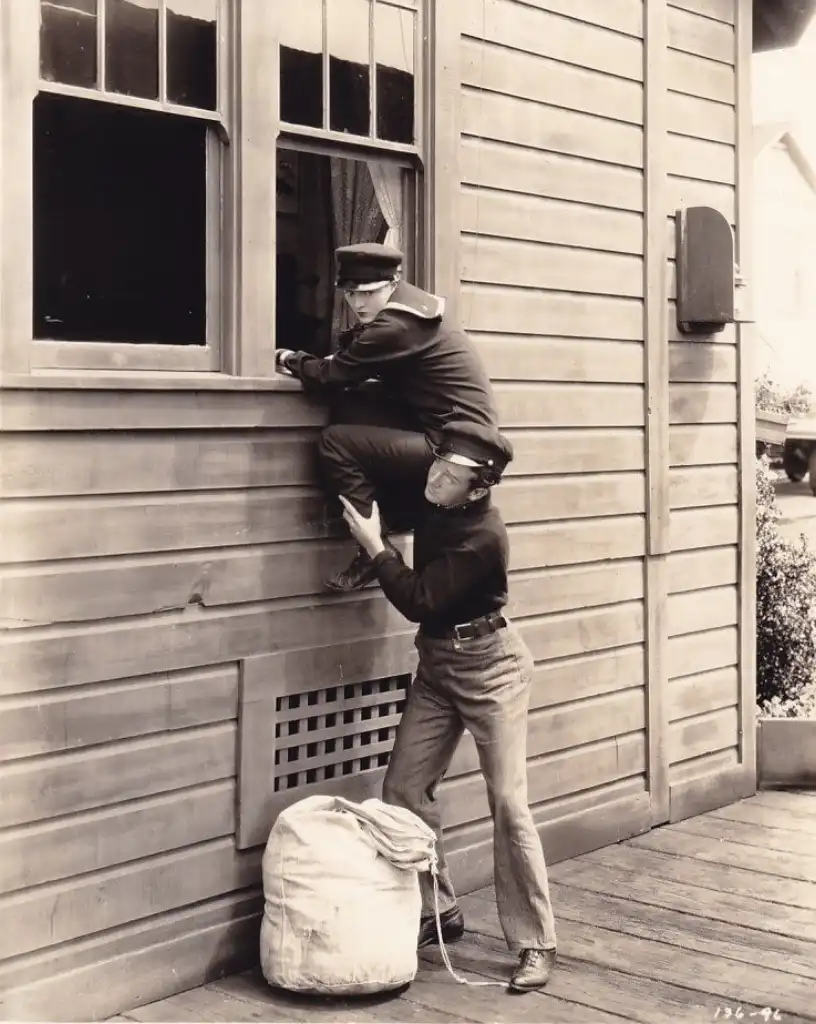
The dialogue itself is a mixed bag. Sometimes it hits, especially in the quieter moments between Mike and Ann, where you can almost feel the weight of their situation. Other times, particularly in the confrontations with Pat Harmon's crime boss, it veers into this almost theatrical grandstanding. Harmon chews scenery like it’s going out of style, and while it’s entertaining in a broad sense, it doesn't quite fit the 'gritty' vibe they seem to be aiming for elsewhere.
There's a fight scene about halfway through, down by the warehouses, that goes on about 20 seconds too long. The punches are clearly missing, and the sound design, which up to this point has been pretty decent for a post-silent film, suddenly feels thin. The thuds are just… generic. It’s hard to invest when you’re noticing the mechanics of the filmmaking so much.
One particular shot of Mike staring out at the harbor, contemplating his choices, just lingers. And lingers. It’s trying to be profound, I think, but after a certain point, it becomes less about his inner turmoil and more about wondering if the projector has frozen. That’s a common issue with films from this period, I know, but here it feels particularly pronounced, like the director was hoping the audience would fill in the emotional blanks with very little prompting.
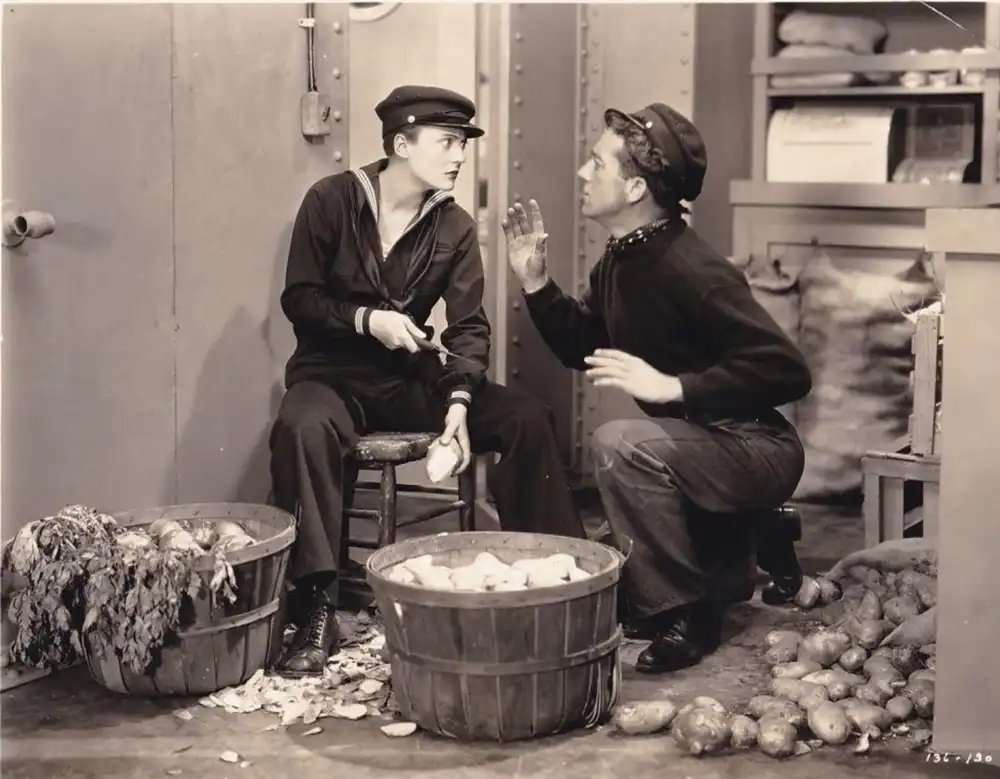
The chemistry between Mulhall and Mackaill is surprisingly decent, considering some of the clunkier moments around them. You believe they’re siblings, even when the script forces them into some pretty melodramatic situations. They ground it a bit.
Then there are these crowd scenes. The extras often look like they're just waiting for direction, not actually part of the bustling waterfront. In one shot, you can clearly see a guy in the background checking his watch. It’s a tiny detail, but once you see it, you can't unsee it. It gives the whole thing an oddly empty feeling, like half the extras wandered off for a coffee break.
The pacing, generally, is a bit of a slog. There are long stretches where not much happens, just characters walking from one place to another, or sitting in rooms, talking in hushed tones. The film really picks up when actual conflict erupts, but those moments are spaced out. It’s like a boat trying to get out of harbor, but the tide is constantly pulling it back.
And the ending? It feels a little too neat. After all the struggles and the build-up of danger, the resolution comes a bit too easily. You almost feel the movie trying to convince you this moment matters, but it hasn't quite earned it. It’s not terrible, just… underwhelming. It leaves you with a sense of 'oh, that's it?' rather than any profound emotional payoff.
So, yeah, Waterfront. It’s a document of its time, full of interesting missteps and a few flashes of what it could have been. If you're a completist for 1930s cinema or just fascinated by the evolution of storytelling, maybe give it a look. Otherwise, there are stronger currents to swim in.

IMDb —
1922
Community
Log in to comment.