DbcultAccessing Vault...
Cult Review
Senior Film Conservator
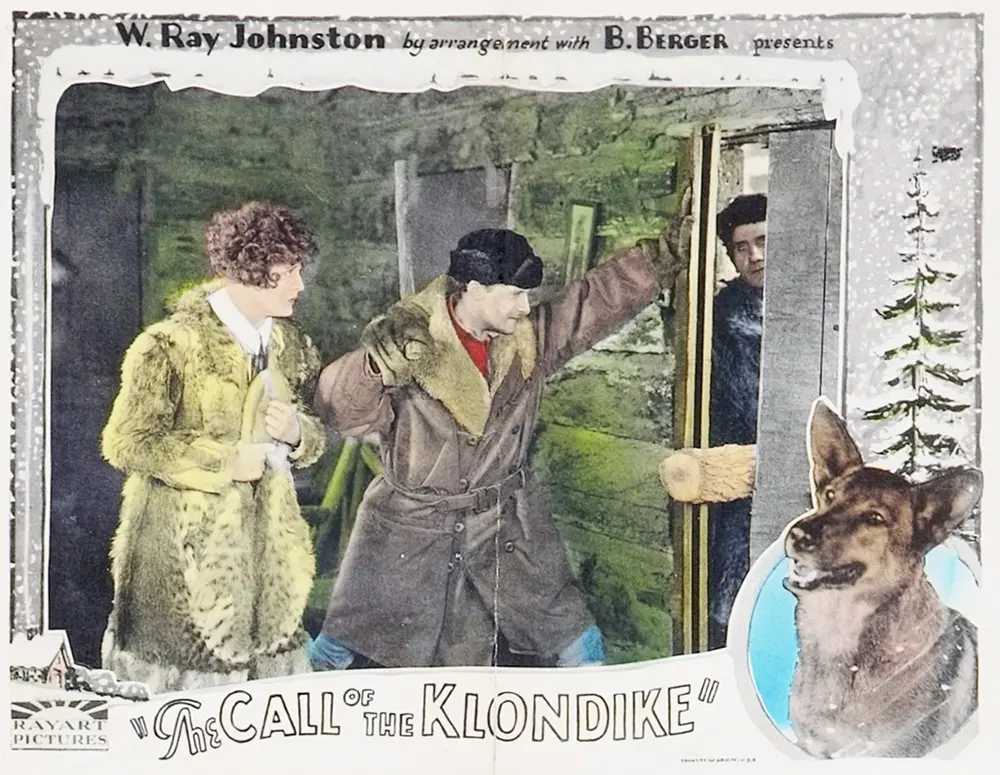
Is this film worth watching today? Short answer: Yes, but only if you have a deep appreciation for the 'dog-hero' subgenre of the 1920s.
The Call of the Klondike is specifically for silent cinema historians and fans of early canine stars like Rin Tin Tin. It is absolutely not for viewers who require complex legal logic or high-definition spectacle.
1) This film works because Lightning Girl delivers a more compelling emotional performance than most of her human co-stars.
2) This film fails because the central 'tie tac' plot device is laughably flimsy, even by the standards of 1920s melodrama.
3) You should watch it if you want to see the blueprint for the 'Northern' genre that influenced films like The Northern Code.
The Call of the Klondike, directed with a workmanlike efficiency, captures a very specific moment in American cinema. It was a time when the 'Northern'—the cold-weather cousin of the Western—was reaching its peak popularity.
Earl Metcalfe plays Dick Norton with a stiff-upper-lip sincerity that feels somewhat dated now. However, his physical presence in the action sequences provides a necessary anchor for the film's more outlandish plot points.
The film opens with a jarring transition from the desert to the snow. This isn't just a change of scenery; it's a thematic reset. Norton is a man who can survive anywhere because his integrity remains constant.
Compare this to the protagonist in The Last of the Duanes, and you see a similar archetype: the man forced into a corner by a corrupt system.
Let’s be honest. We aren’t here for Metcalfe. We are here for Lightning Girl. In the 1920s, canine stars were box office gold, and this film utilizes her skills with surprising sophistication.
The scene where Norton sends Lightning Girl to retrieve a file from his coat is a masterclass in silent era pacing. The camera lingers on the dog’s 'decision-making' process, creating a sense of agency that many modern animal films fail to replicate.
It works. But it’s flawed. The reliance on the dog to solve every narrative hurdle eventually starts to feel like a script shortcut rather than a character beat.
Still, the chemistry between the man and the beast is the only thing that keeps the middle act from sinking into the permafrost. Without the dog, the jailbreak sequence would be entirely forgettable.
William Lowery’s portrayal of Mortimer Pearson is a study in mustache-twirling villainy. He isn't just a thief; he is a predator who uses the social structures of the Klondike to isolate his victims.
The way he manipulates Violet Winter, played by Dorothy Dwan, by using her father’s illness is genuinely repulsive. It adds a layer of stakes that goes beyond mere gold mining.
However, the murder frame-up involving the tie tac is where the script by Jack Natteford begins to fray. The idea that a man would be convicted of murder solely because a piece of jewelry was found on a body is a stretch, even for 1926.
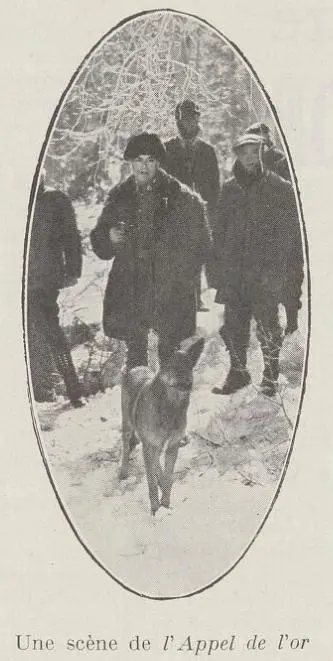
It lacks the narrative tightness found in other Natteford works like Three Jumps Ahead. The logic is secondary to the spectacle of the chase.
Does The Call of the Klondike offer enough for a modern viewer to sit through its silent runtime? The answer depends entirely on your tolerance for melodrama.
If you enjoy the historical curiosity of seeing how early filmmakers handled complex action choreography in harsh environments, then yes. The final cabin fight is surprisingly brutal and well-staged.
If you are looking for a deep psychological thriller, look elsewhere. This is a film of broad strokes and clear-cut morality. It is a cinematic comfort food from a century ago.
The cinematography in the Klondike sequences is surprisingly evocative. While much of it was likely shot on a backlot or in the California mountains, the use of light and shadow during the night scenes creates a palpable sense of isolation.
The pacing is brisk, a hallmark of the B-movie productions of the era. It doesn't waste time on flowery title cards. It moves from point A to point B with the directness of a freight train.
This is a sharp contrast to the more experimental styles seen in European cinema of the same year, such as Ihre Hoheit die Tänzerin. The Call of the Klondike is unashamedly American in its focus on action over artifice.
The action choreography in the final act is genuinely impressive. Seeing Norton and Pearson trade blows in a cramped cabin feels more visceral than many modern CGI-heavy fights.
The film also avoids some of the more tedious romantic subplots common in the era, focusing instead on the survival and legal battle. It’s lean and mean.
The character of Violet is unfortunately relegated to the 'damsel' role for most of the film. While Dorothy Dwan does her best, she isn't given much to do other than look worried.
The transition from the desert to the Klondike feels rushed. A bit more time establishing Norton’s life before the gold rush would have added more weight to his eventual struggle.
Here is a hot take: The Call of the Klondike is actually a stealth horror movie. Think about it. A man is trapped in a frozen wasteland, framed for a crime he didn't commit, with only a dog to help him while a sociopath tries to steal his life. If you change the music and the lighting, this is a precursor to survival horror.
The isolation of the Klondike is used effectively to heighten the stakes. When Norton is in that jail cell, you really feel the distance between him and safety. It’s a primitive but effective use of setting.
The Call of the Klondike is a solid, if unremarkable, entry in the silent action genre. It doesn't reinvent the wheel, but it spins it with enough vigor to keep you watching until the end.
It lacks the historical significance of something like Little Lord Fauntleroy, but it offers a much more exciting viewing experience for the average fan of genre cinema.
"A rugged, four-legged rescue mission that proves dogs were the real action stars of the 1920s."
Ultimately, the film is a testament to the enduring appeal of the 'man and his dog' narrative. It’s simple. It’s effective. It’s cinema in its most primal form.
If you find yourself with an hour to spare and a curiosity about the roots of the action thriller, give it a look. Just don't expect the legal system to make any sense.
IMDb 8.2
1931
Community
Log in to comment.