DbcultAccessing Vault...
Cult Review
Senior Film Conservator
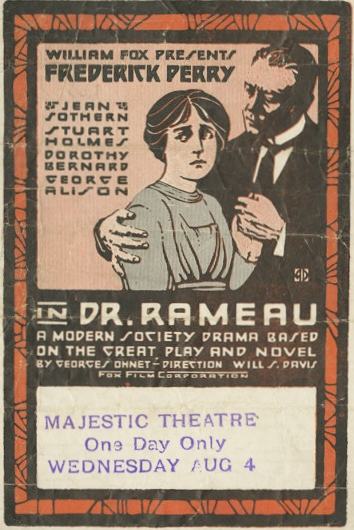
In the annals of silent cinema, few narratives plumb the depths of human emotion with the searing intensity of Dr. Rameau. This cinematic offering, a poignant exploration of love, betrayal, and the crushing weight of hidden truths, stands as a testament to the era's profound storytelling capabilities. It's a film that doesn't merely present a plot; it unravels a soul, inviting viewers into the tumultuous inner world of a man whose life, built on professional brilliance and personal devotion, is irrevocably shattered by a ghost from the past. More than a simple melodrama, it's a psychological drama that resonates with timeless questions about identity, forgiveness, and the true meaning of fatherhood.
Our journey begins with Pierre Rameau, a figure carved from the very fabric of ambition and relentless dedication. Born into the stark realities of a gate-keeper's meager existence, Rameau defies the preordained limitations of his birth, meticulously carving a path to unparalleled medical distinction. He becomes, unequivocally, the foremost physician and surgeon in the vibrant, bustling heart of Paris. His hands, once perhaps calloused by labor, are now instruments of healing, revered for their precision and wisdom. This meteoric rise is not merely a professional triumph; it's a testament to an indomitable spirit, a man who believed in the power of his intellect and the sanctity of his calling. His life, seemingly blessed, reaches its zenith with his marriage to Conchita, a woman he adores with an intensity that borders on the spiritual. Their union is portrayed as a sanctuary of love, a haven from the demanding rigors of his profession, further solidified by the arrival of their daughter, Pamela. This early portrait of Rameau's life is one of profound fulfillment, a man who has achieved both public acclaim and private bliss, seemingly immune to the caprices of fate. The irony, of course, is that this very foundation of bliss harbors a dormant, corrosive secret, waiting for its opportune moment to erupt and dismantle everything he holds dear.
Then, the first tremor of tragedy strikes. Conchita, the radiant center of Rameau's universe, succumbs to an unspecified illness, leaving him with an infant Pamela and an abyss of inconsolable grief. The film masterfully portrays the sheer, unadulterated devastation that grips Rameau. His world, once vibrant with conjugal love and paternal joy, collapses into a desolate landscape of sorrow. His response to this monumental loss is not merely conventional mourning; it is an act of profound, almost religious, devotion. He preserves Conchita's death chamber, rendering it inviolate, a sacred space untouched by time or change. It becomes a mausoleum of memory, a tangible manifestation of his enduring love and agonizing loss. For two decades, this hallowed room remains locked, a silent testament to a love that refuses to fade. Each year, on the anniversary of Conchita's death, Rameau undertakes a solitary pilgrimage to this sanctuary. It's a ritualistic return to the epicenter of his pain, a moment of communion with the ghost of his beloved, a reaffirmation of a bond he believes to be unbreakable and pure. This annual vigil serves as a powerful symbol – a man tethered to his past, unknowingly enshrining a memory that, while beautiful in its grief, is built upon a perilous foundation of unspoken truths. The audience is keenly aware of the dramatic irony, watching Rameau honor a love whose true nature is yet to be revealed, a love that will, in time, become the very instrument of his undoing.
The passage of two decades does little to diminish Rameau's ritualistic sorrow. On one such anniversary, as he navigates the preserved relics of his past within Conchita's room, a seemingly innocuous act transforms his world into a maelstrom of despair. Among the cherished epistles and trinkets, he unearths a letter – a document that rips through the veil of his carefully constructed reality. The words within are not those of enduring love or fond remembrance, but irrefutable proof of Conchita's infidelity. The revelation is a seismic shock, a psychological earthquake that shatters the very bedrock of his existence. The woman he adored, the memory he sanctified, the love he believed absolute, is exposed as a profound deception. But the betrayal doesn't end there; it reverberates, echoing through the corridors of his life to strike at its most vulnerable point. The letter confirms that Pamela, the daughter he raised from infancy to womanhood, the child who bore his love and shared his life, is not his own flesh and blood. The emotional impact is depicted with a raw, visceral intensity characteristic of the finest silent era performances. Rameau's world doesn't just crumble; it implodes. The grief he carried for twenty years transforms into a corrosive cocktail of rage, humiliation, and an existential crisis of identity. The man who once healed bodies finds his own mind fractured, his sanity unmoored by the sheer weight of this devastating truth. The inviolate sanctuary of memory becomes a chamber of horrors, and the love he nurtured turns to bitter ash. This moment is the narrative's fulcrum, irrevocably altering the trajectory of every character's life and propelling the story into its most agonizing phase.
The immediate aftermath of this shattering discovery plunges Rameau into a profound psychological abyss. His grief, once a tender wound, festers into a virulent madness, a tempest of betrayal and wounded pride that eclipses all reason. The man renowned for his surgical precision and calm demeanor is consumed by a furious, all-encompassing rage. The object of his wrath, tragically, becomes Pamela. The girl he cherished, the daughter he believed was his own, now represents the ultimate symbol of his wife's deception and his own profound humiliation. The film portrays his brutal rejection of her with unflinching honesty. He drives her from his home, disowning her not just as a daughter, but as a human being worthy of his affection or protection. This act of banishment is not merely a physical expulsion; it is a severing of all familial ties, a public declaration of his repudiation. In an era where paternity and honor were inextricably linked to a man's social standing and personal integrity, Rameau's reaction, while extreme, is rooted in the societal anxieties of the time. The very concept of his legacy, his bloodline, has been irrevocably tainted. The irony is excruciating: a man who dedicates his life to healing, to preserving life, becomes the instrument of his own family's destruction, sacrificing the innocent Pamela on the altar of his shattered pride and perceived betrayal. His actions, born of unimaginable pain, are nonetheless cruel, leaving Pamela adrift in a world that suddenly deems her an outcast, a living embodiment of a secret that was never her own. This tragic turn highlights the destructive power of secrets and the devastating consequences of allowing raw emotion to usurp compassion and reason.
As Rameau languishes in his self-imposed exile of bitterness and despair, the narrative introduces a crucial catalyst for potential redemption: Dr. Talavanne. Talavanne, Rameau's steadfast best friend and a fellow physician, serves as the moral compass in this emotional maelstrom. It is he who bears the devastating news: Pamela is gravely ill, her life hanging by a fragile thread. The prognosis is dire, and the grim reality is that only Rameau's unparalleled skills as a physician and surgeon can save her. This revelation presents Rameau with an agonizing crucible, a profound ethical and personal dilemma. The man who cast Pamela out in a fit of rage is now the only one capable of preserving her life. His professional oath, a lifetime commitment to healing and preserving human life, clashes violently with the raw, festering wound of personal betrayal. Does he allow his personal vendetta, his shattered pride, and his madness to dictate his actions, condemning an innocent life to an early grave? Or does he rise above the personal anguish, embracing his professional duty and, perhaps, finding a path toward a semblance of forgiveness or, at the very least, compassion? This is the film's ultimate moral test, a dramatic tension that holds the audience captive. It's a moment that forces Rameau to confront not just Pamela's fate, but his own humanity, his own capacity for empathy beyond the confines of his shattered ego. The film skillfully builds towards this climax, highlighting the profound weight of the decision and the potential for either ultimate tragedy or a glimmer of redemption.
Dr. Rameau is a tapestry woven with complex thematic threads, each contributing to its enduring power. At its core lies the harrowing exploration of paternity and belonging. Pamela's identity is violently stripped away; she is no longer the cherished daughter of a renowned physician but the living embodiment of a secret, a child without a clear lineage in her father's eyes. This existential crisis for Pamela, and Rameau's struggle to reconcile his love for the child he raised with the biological truth, speaks to universal anxieties about heritage and the bonds that truly define family. Is it blood, or is it love and upbringing?
The film also delves deep into the nature of grief and memory. Rameau's two decades of mourning for Conchita, symbolized by the inviolate room, initially appear as a beautiful testament to devotion. Yet, this very grief, built upon a false premise, ultimately blinds him to the truth and later weaponizes his memories, transforming adoration into bitter resentment. It forces us to question how much of our past is constructed, and how a single revelation can dismantle a lifetime of remembrance.
Perhaps the most compelling theme is Rameau's descent into madness and reason. The shock of betrayal pushes him beyond the bounds of rationality, his professional brilliance unable to shield him from emotional collapse. The film vividly portrays the thin, precarious line between sanity and overwhelming emotional trauma, showcasing how even the most brilliant minds can be shattered by personal agony. His actions, from banishing Pamela to refusing to save her, are symptoms of a mind unhinged by profound psychological distress.
The climactic choice Rameau faces introduces the powerful themes of redemption and forgiveness. Can a man consumed by bitterness find it within himself to forgive a past transgression, even if it means saving a life he previously disowned? Can he redeem himself through an act of selfless duty, transcending his personal pain for the sake of another? This dilemma elevates the film beyond a simple domestic drama into a profound moral inquiry.
Finally, the entire narrative is underscored by the burden of secrets. Conchita's hidden infidelity, kept for years, festers beneath the surface of Rameau's idyllic life, ultimately erupting with catastrophic force. The film serves as a cautionary tale about the corrosive power of unspoken truths, demonstrating how they can destroy not only individuals but entire familial structures, leaving behind a trail of devastation and irreparable damage. These interwoven themes ensure that Dr. Rameau remains a compelling and thought-provoking cinematic experience, long after its final frame.
The emotional weight of Dr. Rameau rests squarely on the shoulders of its cast, and they deliver performances that brilliantly transcend the inherent limitations of silent cinema. Frederick Perry, in the titular role, is nothing short of mesmerizing. His portrayal of Pierre Rameau is a masterclass in silent acting, conveying the character's journey from dignified eminence to inconsolable grief, and finally to a terrifying descent into madness, with breathtaking nuance. Perry's facial expressions, his posture, and his gestures articulate volumes, allowing the audience to intimately experience Rameau's inner turmoil without a single spoken word. The shift from a man of professional composure to one wracked by furious betrayal is particularly striking, showcasing his range and depth.
Similarly, Mayme Kelso as Pamela embodies the innocent victim of circumstance with poignant vulnerability. Her performance evokes deep sympathy, highlighting the profound injustice of her banishment and the desperate fragility of her later illness. Her silent pleas and expressions of confusion and sorrow are incredibly powerful, making her plight resonate deeply with viewers. Graham Velsey, as the loyal Dr. Talavanne, provides a grounding presence, his earnestness and moral rectitude serving as a crucial counterpoint to Rameau's escalating irrationality. Velsey's portrayal of a friend torn between loyalty and an urgent moral imperative adds another layer of emotional complexity to the narrative.
The collective strength of the cast lies in their ability to communicate complex emotional states through purely visual means. They utilize the exaggerated yet precise gestures and expressions characteristic of the era, not as caricature, but as a sophisticated language of the soul. This makes the film a compelling study of silent acting itself, demonstrating how skilled performers could convey profound human drama without the aid of dialogue, relying instead on the universal language of emotion and body language. Their performances ensure that the film's intense emotional beats land with devastating impact, making the characters' struggles feel palpable and profoundly human.
Beyond the compelling performances, the enduring power of Dr. Rameau is significantly amplified by its astute direction and thoughtful cinematography. Director Will S. Davis, alongside his creative team, demonstrates a keen understanding of visual storytelling, a necessity in the silent era. The film's pacing is meticulously controlled, allowing moments of quiet reflection to build tension before erupting into dramatic crescendos. Davis uses mise-en-scène not merely as background but as an active participant in the narrative, particularly evident in the detailed preservation of Conchita's room, which transforms from a symbol of love to one of haunting betrayal.
The cinematography employs a nuanced approach to light and shadow, often mirroring Rameau's internal state. Bright, clear lighting might accompany his periods of professional success and initial happiness, while the shadows deepen and become more oppressive as his psychological torment intensifies. Close-ups are utilized sparingly but effectively, drawing the audience into the characters' most intimate emotional experiences – a tear rolling down a cheek, the flicker of doubt in an eye, or the contortion of a face consumed by rage. These visual techniques enhance the psychological depth of the film, making Rameau's descent into madness and Pamela's vulnerability strikingly palpable.
The film's aesthetic is firmly rooted in the silent era's conventions, yet it manages to feel timeless. The reliance on strong visual cues, symbolic imagery, and carefully composed shots ensures that the narrative is conveyed with clarity and emotional resonance, transcending the absence of spoken dialogue. This visual poetics is crucial; it's how the film communicates the unspoken, the subtext, the very heartbeat of its characters' struggles. The masterful orchestration of these elements solidifies Dr. Rameau as a visually sophisticated and emotionally impactful work, proving that true cinematic artistry doesn't require sound to deliver a powerful punch.
When considering Dr. Rameau within the broader landscape of cinema, particularly its silent era contemporaries, its distinctive blend of medical drama and profound personal tragedy truly sets it apart. While films like Should a Wife Forgive? directly tackle themes of marital infidelity and the arduous path to absolution, Dr. Rameau elevates the stakes by intertwining the betrayal with questions of paternity and the complete shattering of a father's identity. The initial betrayal of the wife is merely the catalyst for a far more devastating psychological unraveling concerning the daughter.
Similarly, narratives exploring hidden parentage, such as The Dancing Girl, often focus on the social ramifications or the struggles of the child to find their place. Dr. Rameau, however, pivots this trope to focus on the devastating impact on the adoptive father, transforming a secret into a weapon that destroys his sanity and compassion. The film's protagonist, much like the tortured figures in The Man Who Couldn't Beat God, grapples with an insurmountable personal tragedy that feels almost divinely ordained to break him, but here, the tragedy is born from human deceit rather than cosmic fate.
The intense psychological drama of Rameau's descent also finds kinship with films like the Russian silent classic Sumerki zhenskoy dushi (Twilight of a Woman's Soul), which delves into the intricate inner turmoil of its characters. Yet, Dr. Rameau distinguishes itself by placing this psychological breakdown within the unique context of a medical professional, adding an intriguing layer of irony to a man whose life is dedicated to healing others but cannot heal himself. The film's ability to fuse the high-stakes world of medicine with the raw, intimate agony of familial betrayal creates a narrative tapestry that is both unique and universally resonant. It stands not just as a product of its time, but as a compelling precursor to later dramatic explorations of paternity, psychological trauma, and the moral quandaries faced by those in positions of immense responsibility. Its enduring power lies in its relentless focus on the human heart, stripped bare by the cruel hand of revelation.
In conclusion, Dr. Rameau is far more than a historical curiosity; it is a profoundly moving and intellectually stimulating piece of silent cinema that continues to resonate with contemporary audiences. Its masterful storytelling, compelling performances, and sophisticated visual language combine to create an unforgettable experience. The film's exploration of universal human experiences – love, loss, betrayal, the complex nature of family, and the torturous path to forgiveness – ensures its enduring relevance. It reminds us that even in the absence of spoken dialogue, the human heart speaks a language that is universally understood. For those seeking a powerful drama that delves into the darkest corners of the human psyche while offering a glimmer of potential redemption, Dr. Rameau remains an essential viewing, a testament to the timeless power of cinematic narrative and the profound emotional depth achievable in the silent era. It’s a film that lingers long after the credits roll, prompting reflection on the choices we make and the secrets we keep, and their indelible impact on the tapestry of our lives.

IMDb —
1924
Community
Log in to comment.