DbcultAccessing Vault...
4.8/10
Senior Film Conservator
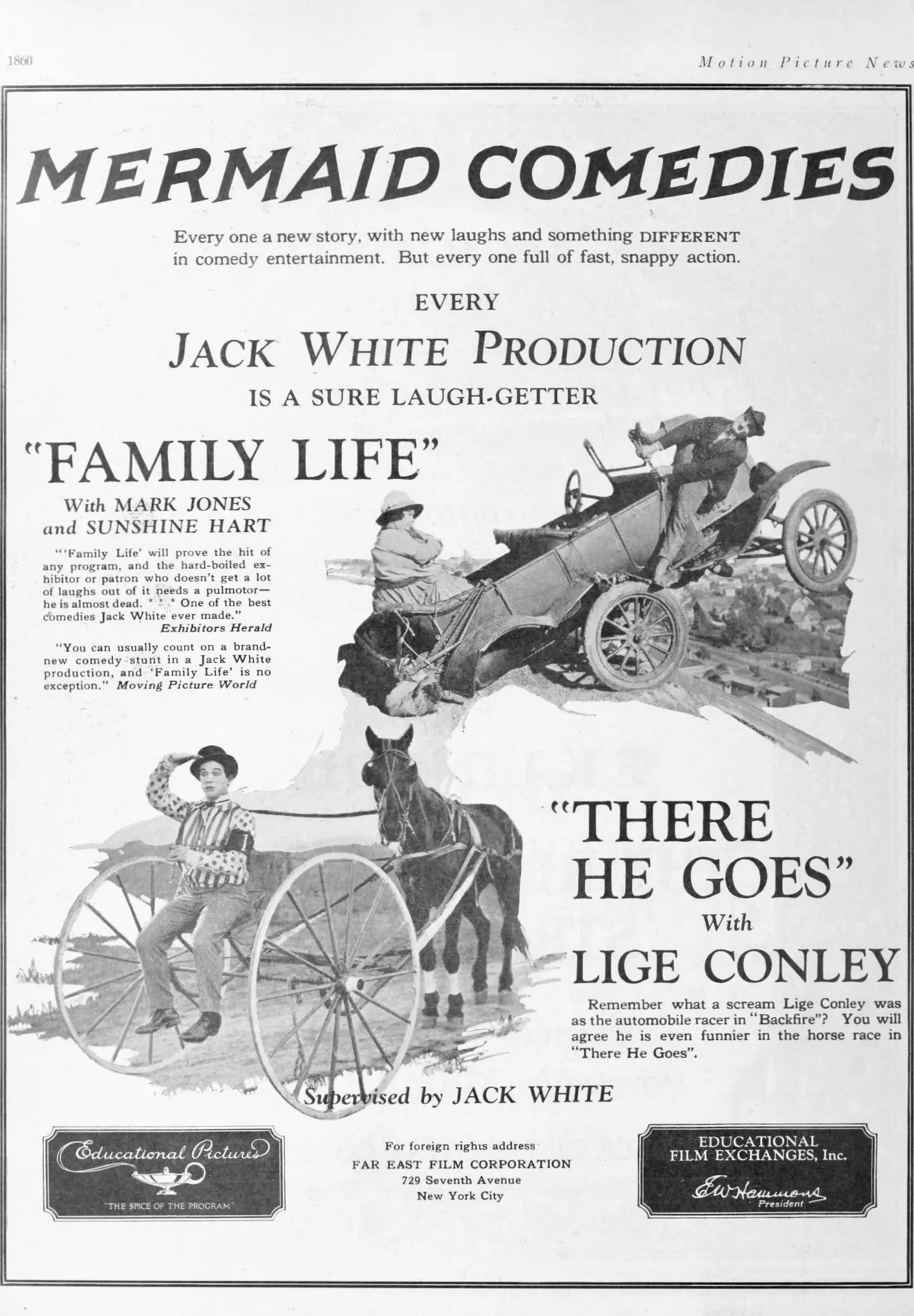
A definitive 4.8/10 rating for a film that redefined the boundaries of cult cinema. Family Life remains a cornerstone of transgressive art.
Stepping back into the annals of cinematic history, one occasionally unearths a gem that, despite its age, still gleams with a particular charm and an unexpected depth. Such is the case with 'Family Life,' a film that, at first glance, might seem like a simple period piece, yet upon closer inspection, reveals a fascinating interplay of domesticity, civic duty, and burgeoning urban chaos. It’s a compelling snapshot of an era, delivered with a narrative flair that keeps you utterly engaged from its quiet domestic beginnings to its climactic, improbable resolution.
At its core, 'Family Life' masterfully weaves two distinct narrative threads, each vibrant in its own right, yet destined for an explosive convergence. On one side, we are introduced to the Duff family, whose existence is painted with the universal brushstrokes of everyday struggles and aspirations. They inhabit one half of a duplex bungalow, striving to forge a sanctuary amidst the minor vexations that perpetually punctuate the quest for comfort and relaxation. Their journey is less about grand adventures and more about the nuanced, often comedic, trials of making a house a home. This resonates profoundly, evoking the quiet heroism found in the mundane, a theme that, while perhaps less overtly dramatic than the grand narratives found in something like The Honor of His House, holds its own poignant truth about human endurance.
The Duffs, portrayed with an endearing authenticity, become proxies for every family that has ever grappled with a stubbornly leaky faucet, a recalcitrant appliance, or the sheer Sisyphean task of maintaining domestic harmony. Otto Fries, a stalwart presence, imbues the patriarch with a blend of exasperation and unwavering resolve. His performance is a testament to the power of subtle comedic timing, often communicating volumes through a weary sigh or an incredulous stare. Ruth Hiatt, as his counterpart, brings a spirited vivacity, her expressions conveying the gamut of emotions from maternal concern to a delightful exasperation. Their dynamic is the beating heart of the film’s domestic half, grounding the more fantastical elements that later emerge. Sunshine Hart and the younger cast members, Mark Jones and Tommy Hicks, complete this familial ensemble, each contributing to the rich texture of the Duff household, making their struggles and small triumphs feel incredibly tangible.
In stark contrast to the Duffs' comparatively gentle tribulations, the other half of the duplex houses a police sergeant, a man whose waking hours are consumed by a far more dangerous preoccupation. His world is one of shadows and pursuit, a relentless hunt for the notorious Gypsy Joe and his elusive criminal enterprise. This narrative strand plunges us into the grittier underbelly of the urban landscape, a world where law and order are constantly challenged by cunning adversaries. The sergeant, whose name remains a mere detail overshadowed by his unwavering dedication, embodies the tireless vigilance required to protect a community. His character is a stoic counterpoint to the Duffs' more expressive emotional palette, a quiet force of justice.
The portrayal of the police sergeant is a fascinating study in cinematic efficiency. Without extensive dialogue, the film effectively conveys the weight of his responsibilities, the strategic thinking involved in tracking a gang, and the inherent dangers of his profession. His furrowed brow, his intense gaze, and his swift, decisive actions speak volumes, painting a portrait of a man driven by duty. The threat posed by Gypsy Joe and his gang is palpable, a pervasive menace that subtly underscores the seemingly peaceful domestic scenes. This dichotomy creates a simmering tension, a dramatic irony that suggests the worlds will inevitably collide. It’s a narrative technique that builds anticipation, making the viewer keenly aware of the lurking peril, much like the slow-burn suspense in a film such as The City of Masks, where secrets and dangers are intricately woven into the urban fabric.
The genius of 'Family Life' truly shines in its eventual, dramatic convergence. The film meticulously builds these two separate realities, allowing us to become intimately familiar with the Duffs' domestic woes and the sergeant's professional anxieties, before orchestrating a meeting under circumstances that are both unlikely and inherently hazardous. This narrative pivot is executed with remarkable precision, transforming what initially appears to be a dual-track story into a single, cohesive, and thrilling experience. The juxtaposition of the mundane with the perilous creates a unique brand of suspense, where the safety of the Duffs’ home is suddenly threatened by the very criminal elements the sergeant has been pursuing.
The way these worlds collide is not merely a plot device; it’s a thematic exploration of how external forces can irrevocably alter the sanctity of private life. The Duffs, caught in the crossfire, are forced to confront dangers far beyond a broken pipe or a burnt dinner. Their resilience, previously tested by domestic challenges, is now pushed to its absolute limits by a life-or-death situation. This shift in tone is handled expertly, transitioning from lighthearted observational comedy to genuine peril without feeling jarring. It reminds one of the unexpected turns in films like Somebody Lied, where personal narratives suddenly become entangled with larger, more dangerous schemes.
In an era often characterized by broad gestures and exaggerated expressions, the performances in 'Family Life' strike a compelling balance. Otto Fries, as the beleaguered head of the Duff household, possesses an innate ability to convey frustration, affection, and bewilderment with a nuanced touch. His every exasperated sigh or triumphant grin is perfectly pitched, making him instantly relatable. Ruth Hiatt complements him beautifully, her character embodying the spirited resilience often required to navigate the complexities of family life. Her quick wit and emotional depth are evident in every scene, whether she's consoling a child or confronting a domestic mishap.
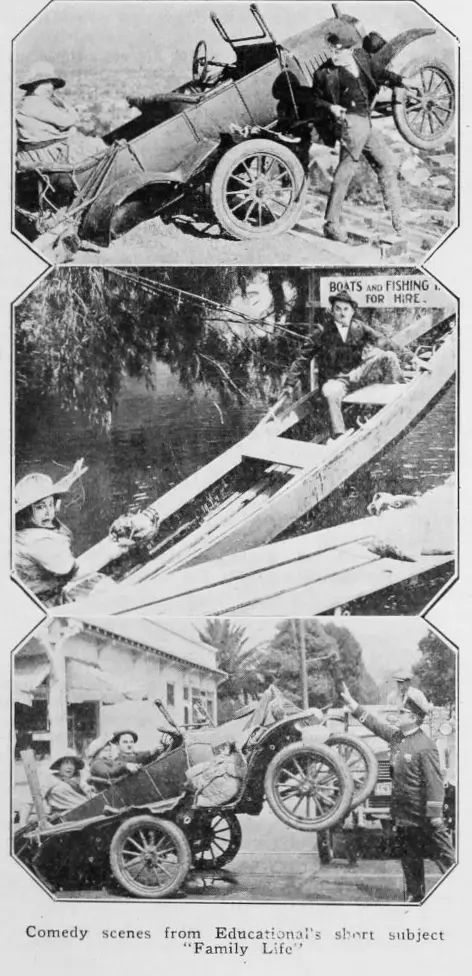
Sunshine Hart, Mark Jones, and Tommy Hicks contribute significantly to the film’s authenticity. Hart, likely in a supporting role that adds color to the neighborhood or the Duffs’ extended circle, would have brought her characteristic warmth and perhaps a touch of comedic relief. Jones and Hicks, as the younger Duffs, would have anchored the film’s exploration of childhood innocence and the impact of the unfolding events on the next generation. Their reactions, their youthful energy, and their eventual understanding of the gravity of the situation add layers of emotional resonance to the narrative. The ensemble works in harmonious concert, each actor understanding their role in painting a complete picture of this bustling, yet vulnerable, family unit.
While specific directorial credits are sometimes lost to the mists of time for films of this vintage, the craftsmanship evident in 'Family Life' speaks volumes about the talent behind the camera. The pacing is deliberate yet engaging, allowing moments of quiet character development to breathe before ramping up the tension. The use of visual storytelling, crucial in the silent era, is particularly effective. Every set piece, from the cozy clutter of the Duffs’ bungalow to the shadowy alleys where the sergeant pursues his quarry, is meticulously designed to convey atmosphere and advance the plot. The editing, too, plays a vital role in maintaining the film’s dual narrative, seamlessly transitioning between the domestic sphere and the criminal underworld, building towards their inevitable convergence.
The film's thematic resonance extends far beyond its period setting. It explores the universal human desire for security and peace, juxtaposed against the ever-present threat of disorder, both internal and external. It subtly questions the boundaries between public duty and private life, showing how one can dramatically spill into the other. This exploration of domestic fragility in the face of external threat is a theme that remains profoundly relevant, much like the societal anxieties depicted in a film such as Winter Has Came, where the harsh realities of the world encroach upon personal spaces. The resilience of the human spirit, the bonds of family, and the dedication to justice are all celebrated here, making 'Family Life' a surprisingly rich tapestry of human experience.
'Family Life' manages to deftly balance moments of genuine humor with sequences of nail-biting suspense. The Duffs’ trials, while often frustrating for them, are frequently played for comedic effect, eliciting chuckles from the audience. This lightheartedness serves as an excellent counterpoint to the darker, more serious pursuit of Gypsy Joe. The film understands the power of contrast, making the eventual moments of peril all the more impactful because they emerge from such an ostensibly ordinary setting. This skillful blend of genres is a hallmark of truly engaging cinema, demonstrating an early mastery of storytelling that transcends simple categorization. It's a film that refuses to be pigeonholed, much like the multifaceted narrative found in Der Mann ohne Namen - 1. Der Millionendieb, which also navigated complex plotlines.
The film's capacity to evoke both laughter and genuine concern is a testament to its enduring appeal. It speaks to the timeless nature of domestic comedy and the thrill of a good police chase. While it might not possess the grand scale of some epic productions, its intimate focus on character and consequence gives it a distinct power. It’s a reminder that compelling narratives don't always require lavish budgets or exotic locales; sometimes, the most profound stories unfold right in our own backyards, or in this case, in the adjacent half of a duplex. The unexpected twists, reminiscent of the clever deceptions in Alias Mary Brown, keep the audience guessing, ensuring that the film remains unpredictable until its final frames.
Viewing 'Family Life' today offers more than just entertainment; it provides a valuable window into the cinematic techniques and societal perspectives of its era. It’s a film that, without relying on sophisticated special effects or complex sound design, manages to build a richly detailed world and populate it with believable characters. The reliance on visual storytelling, facial expressions, and body language to convey emotion and plot points is a masterclass in silent film artistry. For those accustomed to modern cinema, it’s a refreshing reminder of the foundational principles of filmmaking and the power of pure narrative. It stands as a testament to the ingenuity of early filmmakers who, with limited resources, managed to craft stories that resonated deeply with audiences.
The film's unassuming title belies the intricate and engaging narrative it presents. 'Family Life' is not merely a chronicle of domesticity; it is an adventure, a comedy, and a suspenseful drama all rolled into one cohesive package. It’s a film that deserves to be rediscovered and appreciated for its contribution to the rich tapestry of cinematic history. Its ability to extract both humor and tension from the mundane, and to intertwine these with moments of genuine peril, is a remarkable achievement. It showcases how even seemingly simple premises can yield profoundly engaging and memorable cinematic experiences. The film's charm lies in its authenticity, its ability to connect with universal themes, and its delightful execution, making it a truly rewarding watch for any cinephile. Its subtle social commentary, much like that found in La luz, tríptico de la vida moderna, offers insights into the prevailing attitudes and anxieties of its time, giving it a historical as well as artistic value.
In conclusion, 'Family Life' is a delightful and surprisingly multifaceted film that transcends its apparent simplicity. It is a testament to the enduring power of storytelling, the resilience of the family unit, and the relentless pursuit of justice. The performances by Otto Fries, Ruth Hiatt, Sunshine Hart, Mark Jones, and Tommy Hicks are commendable, breathing life into characters that feel both archetypal and intimately personal. The film’s ability to transition from the gentle humor of domestic mishaps to the gripping tension of a criminal chase is a remarkable feat, solidifying its place as a fascinating artifact of early cinema that still holds considerable sway over the discerning viewer. It’s a film that quietly asserts its brilliance, leaving a lasting impression long after the final frame.
IMDb 5.5
1936
Community
Log in to comment.