DbcultAccessing Vault...
Cult Review
Senior Film Conservator
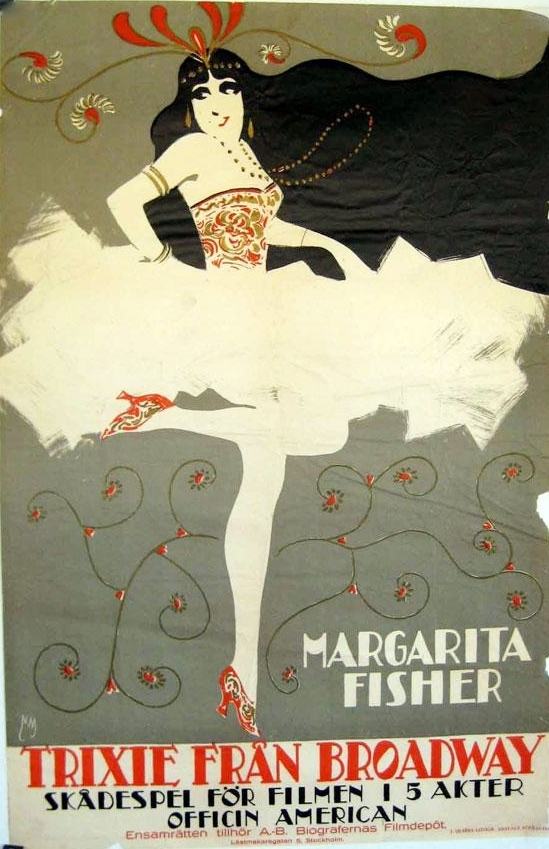
The silent era of cinema, often dismissed by casual observers as quaint or simplistic, was in fact a crucible of profound storytelling, a testament to the power of visual narrative and the universal language of human emotion. Within this rich tapestry, certain films emerge not just as historical artifacts, but as vibrant commentaries on society, love, and the often-treacherous path to self-discovery. Frank Howard Clark and Agnes Christine Johnston's 1919 drama, "Trixie from Broadway," stands as a compelling example, a film that, despite its age, resonates with surprising modernity in its exploration of perception versus reality, and the enduring strength of character.
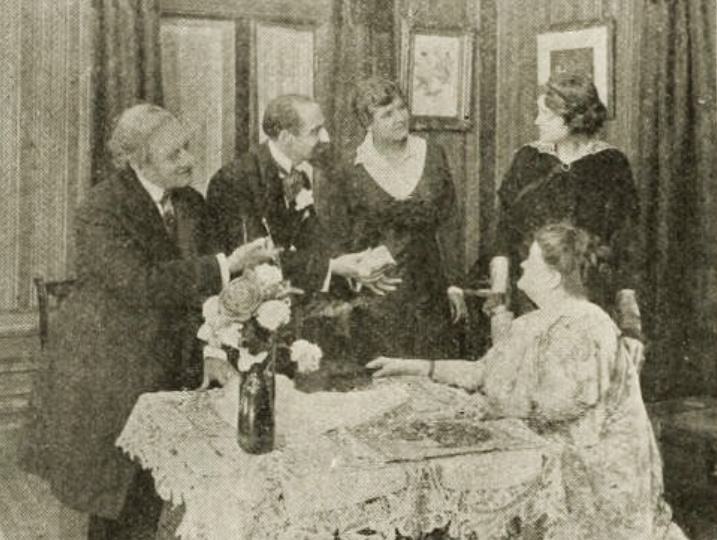
At its heart, "Trixie from Broadway" is a melodrama, yes, but one imbued with a keen observational eye for the social mores of its time. We are introduced to Trixie Darling, portrayed with captivating vivacity by the luminous Margarita Fischer. Trixie is not merely a chorus girl; she is a symbol of burgeoning female independence, a woman navigating the glittering yet morally ambiguous landscape of Broadway's entertainment industry. Her role in the musical comedy number "Chicken, Chicken, You're Some Pickin'" places her firmly in the public eye, yet she possesses a quiet dignity that sets her apart. She steadfastly rebuffs the advances of Broadway Benham, a figure of sophisticated temptation whose seductive wine parties and luxurious offers represent a path of least resistance, one that Trixie, with her innate integrity, refuses to tread.
Trixie's choice of partner, therefore, becomes a pivotal moment, a declaration of her values. She marries John Collins, an unassuming, almost awkward Westerner, played by Emory Johnson. This union initially appears to be a stark departure from the glitz Trixie could have commanded, a perplexing choice for a woman of her allure. The subsequent revelation that John is, in fact, a multi-millionaire with a sprawling orange grove in California, dramatically alters the audience's, and indeed Trixie's, perception of the situation. It's a classic cinematic twist, one that immediately casts a shadow of doubt, not on Trixie's character, but on the motives of those around her.
Here, the film delves into its most fascinating psychological terrain: John's decision to test Trixie. Overhearing the insidious whispers of jealous dancers—a chorus of societal judgment—who insinuate Trixie married for money, John orchestrates a cruel charade. He transports her to their supposed 'home' in a rickety Ford, revealing not a mansion, but a dilapidated shack. His transformation into a raving, boorish figure, demanding an ungodly 5 AM breakfast, is designed to shatter Trixie's illusions and expose what he believes to be her true, materialistic nature. This segment of the film is particularly poignant, as it forces the audience to confront the ethical implications of such a test. Is John's insecurity justifiable? Or does his deception betray a lack of faith in the woman he supposedly loves? It brings to mind the intricate marital deceptions explored in films like Love Insurance, where the genuine article of affection is weighed against perceived financial gain.
Margarita Fischer's performance during this period of disillusionment is nothing short of masterful. Without uttering a single word, her expressions convey a profound sense of betrayal, confusion, and growing despair. The contrast between the Broadway glamour she left behind and the squalor she now endures is stark, visually reinforcing the emotional chasm that has opened between her and John. When Benham brings his troupe to town, his reappearance is not merely a plot device; it's a profound temptation for a woman teetering on the brink of emotional collapse. Trixie's decision to appear on stage again is an act of defiance, a reclaiming of her identity and her talent, even if spurred by a sense of profound hurt. John's dramatic intervention, carrying her off the stage, is a testament to his lingering, if misguided, affection, and his inability to fully let go of her.
The narrative then introduces another layer of conflict in the form of Gertie Brown, played by Olga Grey. Gertie is John's jealous former sweetheart, a character who embodies the destructive power of envy and small-town moral hypocrisy. Her instigation of the 'Committee on Public Morals' to rid the community of Trixie is a brilliant commentary on the societal tendency to judge and condemn, particularly women who deviate from perceived norms. The Committee, ostensibly a force for good, becomes a vehicle for personal vendetta, illustrating how easily moral authority can be corrupted. This theme of societal judgment and the danger of unverified rumors echoes the cautionary tales found in films such as You Can't Believe Everything, where misinformation can wreak havoc on lives.
The confrontation at the Committee meeting is the film's explosive climax. Trixie, no longer the naive chorus girl, but a woman hardened by adversity, interrupts the proceedings. The ensuing hair-pulling fight with Gertie is raw, visceral, and unvarnished—a potent display of feminine rage and desperation that transcends the genteel expectations of the era. The accidental dislodging of a kerosene lamp, igniting a devastating fire, elevates the conflict from personal vendetta to a life-or-death struggle. It is here that Trixie's true character shines brightest. Her nearly fatal act of saving Gertie, her tormentor, from the inferno, is the ultimate act of selflessness and forgiveness. It is a powerful, visual metaphor for the purification of her spirit and the shattering of all remaining doubts about her moral fiber. This act of heroism, sacrificing oneself for an adversary, is a powerful trope, but executed here with profound emotional impact.
The resolution, though perhaps a touch idealistic, feels earned. Trixie awakens from unconsciousness not in the shack, but in the opulent comfort of John's true mansion, finally accepted by all. The community, swayed by her heroism, now embraces her, and John's foolish test is definitively concluded. The film, therefore, delivers a resounding message about the triumph of genuine character over superficial judgment and the corrosive effects of suspicion. It's a journey from perceived greed to proven nobility, a testament to the idea that true worth is revealed not in comfort, but in crisis.
The craftsmanship of "Trixie from Broadway" is noteworthy for its era. The direction, guided by the narrative vision of Frank Howard Clark and Agnes Christine Johnston, effectively utilizes the visual language of silent cinema. Intertitles are judiciously employed to convey dialogue and internal thoughts, but the bulk of the storytelling relies on the expressive performances of the cast. Fischer, in particular, carries the emotional weight of the film with her nuanced facial expressions and body language, a masterclass in silent acting. Emory Johnson's portrayal of John shifts effectively from awkward suitor to cruel deceiver, and finally, to contrite husband. Olga Grey's Gertie is a deliciously venomous antagonist, her jealousy palpable through her sneers and aggressive posturing.
The film's visual style also contributes significantly to its thematic depth. The vibrant, if somewhat exaggerated, portrayal of Broadway glamour stands in stark contrast to the stark, almost desolate imagery of the Western shack. This visual juxtaposition reinforces the central conflict between superficial appearances and underlying realities. The fire sequence, while perhaps limited by the special effects of the time, is nevertheless impactful, serving as a dramatic crucible for Trixie's transformation. It’s an example of how early cinema, with its nascent techniques, could still evoke powerful emotional responses and deliver high-stakes drama.
In a broader sense, "Trixie from Broadway" is a fascinating artifact of its time, reflecting societal anxieties about wealth, class, and the moral integrity of women, particularly those from the entertainment world. It challenges the conventional narrative of the 'fallen woman' or the 'gold-digger,' instead championing a woman who, despite her profession, possesses an unshakeable moral compass. While films like The Gilded Youth might explore the superficiality of high society, "Trixie" delves deeper into the genuine character that can exist beneath a flashy exterior, and the tests required to reveal it. The journey of Trixie Darling, from a Broadway starlet to a tested wife, offers a compelling narrative arc that still resonates today. Her resilience in the face of betrayal and her ultimate act of self-sacrifice provide a timeless message about the power of virtue and the eventual triumph of truth.
Ultimately, "Trixie from Broadway" is more than just a historical curiosity. It is a robust silent film that skillfully combines melodrama with social commentary, delivering a powerful narrative of love, deception, and redemption. Margarita Fischer’s performance is a highlight, anchoring the film with grace and emotional depth. For enthusiasts of early cinema, and indeed for anyone interested in the enduring power of classic storytelling, this film offers a rich and rewarding experience, a reminder that the human heart, with all its complexities and capacities for both cruelty and compassion, remains a timeless subject for cinematic exploration. Its narrative threads, woven with themes of integrity, suspicion, and ultimate vindication, ensure its place as a noteworthy entry in the annals of silent film history.
IMDb 6.3
1937
Community
Log in to comment.