DbcultAccessing Vault...
Cult Review
Senior Film Conservator
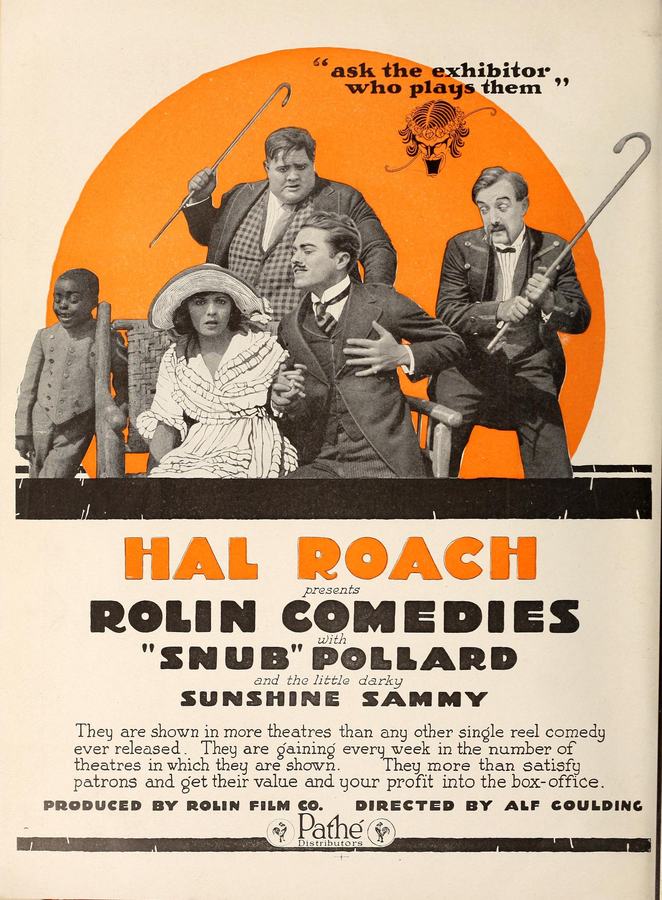
A barn sloshing with contraband corn liquor becomes the stage for one of the most effervescent, if unjustly neglected, one-reelers to slink out of 1920.
Snub Pollard, that indefatigable Australian with the walrus mustache waxed into twin exclamation points, orchestrates mayhem like a maestro of moonshine. His barn—part cathedral, part cesspool—hosts a congregation of tipplers who genuflect to the amber drip. The rafters drip with history: harnesses hang like nooses, hay bales sweat fermented perfume, and every splinter seems to absorb the accordion wheeze of a distant Victrola.
Marie Mosquini, porcelain yet predatory, sashays through the fumes in a dress that glints like a switchblade. She is both siren and saboteur, lifting wallets with the casual grace of a card-sharp while batting bee-stung eyes at the camera. Watch her fingertips: they flicker like hummingbird wings, and when she pockets a flask you feel the cut even if you never see the blade.
Ernest Morrison—Sunshine Sammy to the Hal Roach faithful—steals frames with nothing but a grin wide enough to swallow the decade’s racial anxieties whole. Here, he is not the butt but the motor, a kinetic sprite ricocheting off barrels, somersaulting under revenuers’ boots, and punctuating every pratfall with a whistle that slices the smoky air. His performance is a manifesto of Black childhood joy in an era determined to deny it.
Enter Eddie Boland’s poet, a man whose liver must resemble a battlefield yet whose tongue still pirouettes. He attempts to toast the moon, sloshes gin on the barn owl, and recites doggerel that sounds like Lord Byron dunked in turpentine. The gag is not merely that he is drunk; it is that he is eloquently drunk, a paradox that Pollard milks until the udder squeaks.
Robert Emmett O’Connor storms in with the rectitude of a temperance pamphlet come to life. His badge gleams like a Calvinist sun; his axe handle bears notches for every still he’s martyred. The raid is shot in frantic, overlapping silhouettes—Keaton-esque geometry where every exit becomes an entrance for disaster. A goat head-butts a revenuer into a vat; a piglet squeals down the hayloft chute wearing a fedora; kerosene lamps shatter and turn the barn into a strobe-lit inferno of comic perdition.
The chase detonates into an orchard where gnarled apple trees claw at the sky like penitent drunkards. Undercranking cranks the tempo until the footfalls resemble a Scott Joplin fever dream. Pollard swings from a branch, loses his trousers, yet still manages to guzzle from a jug that keeps miraculously refilling—Looney Tunes physics before Leon Schlesinger ever trademarked a rabbit.
Compare it to The Secret Game and you’ll notice both films weaponize spatial claustrophobia—one with espionage corridors, the other with hay-stacked hiding spots—yet Drink Hearty opts for Dionysian release rather than patriotic subterfuge. Where Mistinguett détective polishes its Parisian art-deco surfaces until they gleam like guilty consciences, Pollard revels in grime, in the honest stink of fermented mash.
There is, beneath the slapstick, a whisper of class revolt. The revenuers are faceless agents of state sobriety; the barn denizens are farmers, railmen, fallen women—those capitalism cheerfully discarded. When the axe splits another barrel, it is not merely liquor that gushes but livelihood, the last commodity these outcasts can barter. The film laughs to keep from screaming.
Technically, the print survives in 16mm dupe form, scratched like a flea-ridden hound, yet the defects add patina. Every vertical scratch refracts the kerosene glow; every missing frame becomes a blink during which the audience subconsciously supplies the forbidden gulp. The intertitles—hand-lettered with jittery ink—pop like corks: “He thought it was a dry town—until he tried to swim through the sidewalk!”
Leo the wooden-legged horse gets an inexplicable close-up, nostrils flaring as if to say, “Even I know this is illegal.” It’s this willingness to linger on the absurd that elevates the short above the conveyor-belt two-reelers Roach pumped out like sausages. Pollard allows a beat of surreal empathy, then whacks us with a rake.
Gender politics, of course, curdle when viewed through modern lenses. Marie’s pickpocket prowess is undercut by a finale that straps her to a barrel like a damsel in distaff distress. Yet even here the film winks: she winks back at the lens, implying complicity rather than victimhood. The handcuffs click, but her grin clicks louder.
Score recommendation: pair it with a raggedy Django-style hot-jazz bootleg—something scraped off a 78 rpm found in a deceased uncle’s attic. The brass will sync with the axe impacts; the banjo will mirror Morrison’s footwork. Avoid pristine orchestral re-scores; sterility murders the hooch.
In the pantheon of prohibition cinema—sandwiched between Dr. Jekyll and Mr. Hyde’s moral bifurcation and The Railroader’s locomotive fatalism—Drink Hearty occupies a unique hiccup. It neither moralizes nor glamorizes; it simply testifies that humans will ferment fruit, grain, or library paste if it numbs tomorrow.
Criterion, Kino, whoever is listening: restore this barnburner. Scan it at 4K, let the grain breathe, commission a booklet essay on the chemistry of corn-sugar conversion. Until then, dig up the YouTube rip, squint through the mosquito noise, and let Snub pour you a shot of pure celluloid moonshine. You’ll wake up dizzy, maybe shoeless, but grinning like a poet who just discovered the world’s ending tomorrow and the bars stay open tonight.
IMDb —
1920
Community
Log in to comment.