DbcultAccessing Vault...
5.3/10
Senior Film Conservator
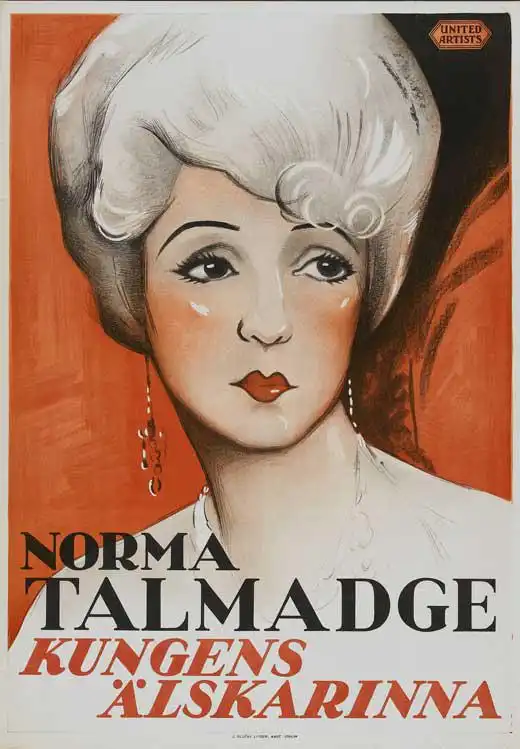
A definitive 5.3/10 rating for a film that redefined the boundaries of cult cinema. Du Barry, Woman of Passion remains a cornerstone of transgressive art.
Alright, so Du Barry, Woman of Passion. Is this worth watching today? Honestly, probably not for most folks looking for a quick, engaging watch. But if you’re a history buff, especially into French court drama, or just curious about early sound films and Norma Talmadge, then yeah, it’s a pretty interesting curiosity.
Anyone expecting a zippy, action-packed period piece will probably hate it. This movie takes its sweet time, and the *passion* promised in the title is more of a polite, dramatic kind than anything fiery we might expect now. 🔥
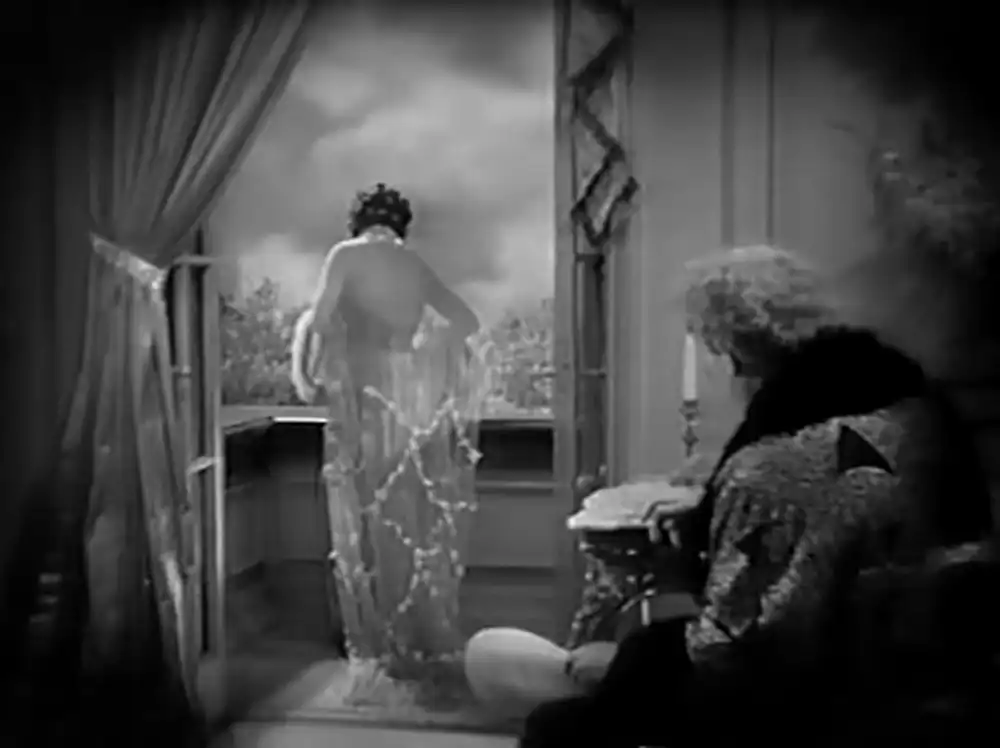
Norma Talmadge as Du Barry is… well, she’s certainly Norma Talmadge. Her performance feels very much of its era, full of sweeping gestures and dramatic pauses that really hit different in 1930. You can almost see her practicing those intense stares in the mirror.
It’s fascinating to watch how the dialogue landed back then, especially after a decade of silent films. The transition to sound makes some exchanges feel a bit stiff, like everyone’s still learning how to talk on camera without overdoing it. It’s an awkward charm, I guess.
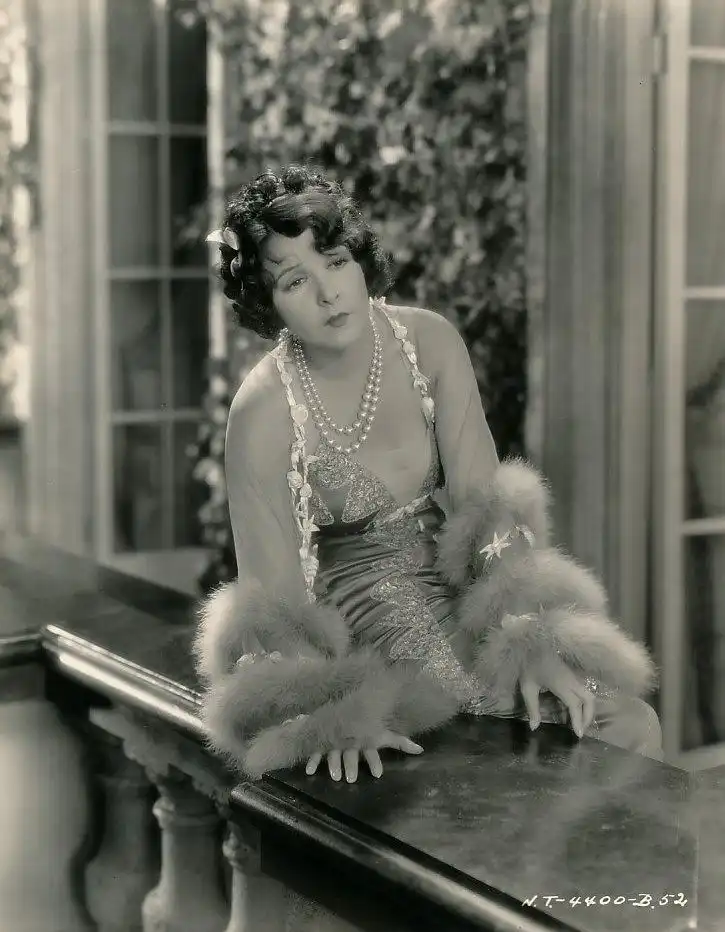
The film follows Jeanne Bécu from her humble beginnings, becoming a casino hostess, then catching the King’s eye. This rise is laid out pretty slowly, giving you a real sense of the societal ladders she had to climb.
There are these long court scenes, packed with people in elaborate wigs. Some of them just stand there, kinda looking around, waiting for their turn to react. It makes you wonder how many takes it took to get everyone in their places without someone fidgeting.
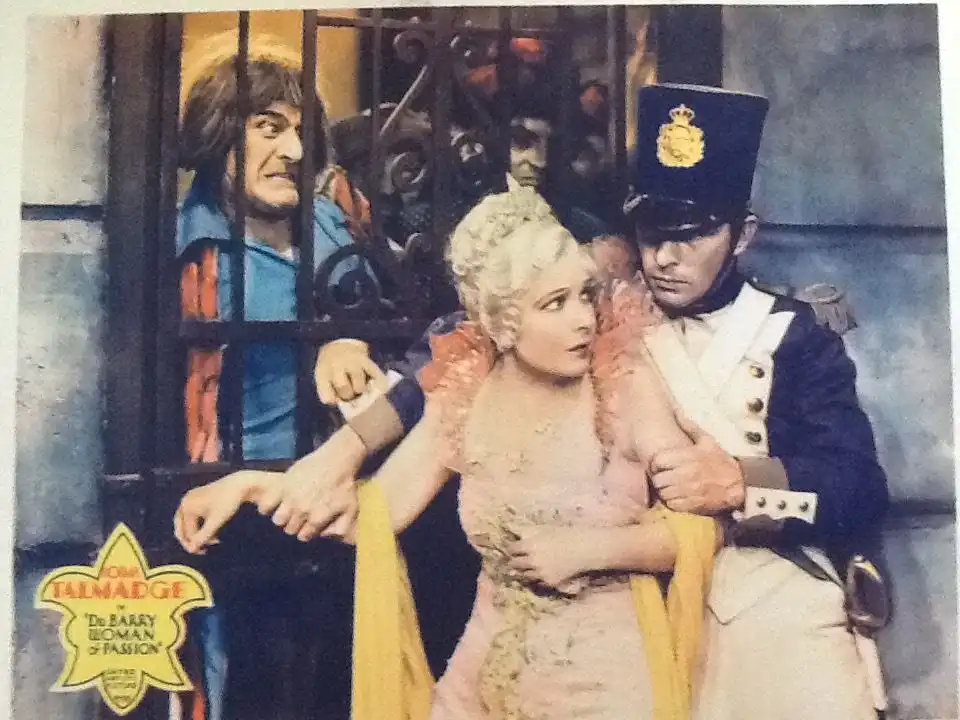
One moment sticks out: a servant, in the background during a busy hallway scene, almost trips carrying a tray. It’s super quick, and probably an accident, but it felt so *real* compared to the posed main action. A little human wobble in the grand court drama. 😅
And then there's Clark Gable. He’s here, but blink and you might miss him in his early role as the Duke Armand de Richelieu. He’s got the strong jaw, no doubt, but not quite the *star presence* he’d develop later. More like a dashing, albeit stiff, supporting character.
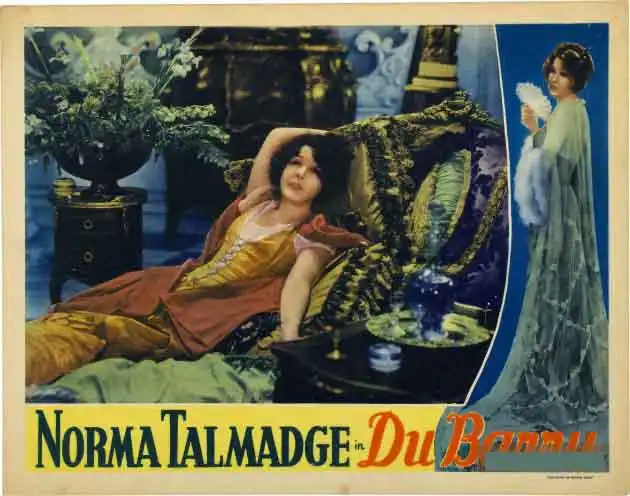
His scenes with Talmadge have this undeniable chemistry, even if it’s more implied than overtly passionate. Their glances really carry a lot of the story when the dialogue feels a bit stilted.
The costumes are undeniably grand. Lots of silks, big dresses, and those ridiculously tall powdered wigs. They really tried to capture that opulent French court vibe, even if some of the wigs look a bit… *heavy* on the actors.
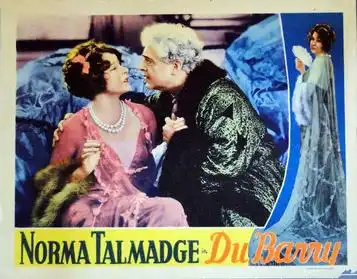
The sets feel lush, all velvet and gilt. But sometimes, they feel a bit too much like stage sets, you know? Like you’re watching a play, with very distinct backdrops rather than fully immersive environments. It’s a common thing for early talkies, of course.
The film does a good job, I think, of showing how precarious Du Barry’s position was. Everyone’s gossiping, trying to pull her down. There’s a scene where the court ladies just glare at her, and that silent animosity is actually quite effective. You really feel the weight of their disapproval.
It’s not a movie that races to its conclusion. Instead, it lets you soak in the atmosphere of a bygone era, both the one depicted and the one in which the film was made. It’s a time capsule. 🕰️
So, should you watch it? If you have an afternoon to spare and a soft spot for classic cinema’s quirks, then sure. It’s not going to redefine your understanding of film, but it offers a charming, albeit slow, peek into a historical moment through the lens of early sound film. It's a particular kind of pleasure.
IMDb 7
1931
Community
Log in to comment.