DbcultAccessing Vault...
8/10
Senior Film Conservator
A definitive 8/10 rating for a film that redefined the boundaries of cult cinema. Sonny Boy remains a cornerstone of transgressive art.
Right, so, Sonny Boy. This little picture from 1929 is definitely for a specific kind of movie watcher. If you're into silent era comedies, with all their broad gestures and a dash of genuine melodrama, you might find something sweet here. But if you’re looking for modern pacing or anything with, you know, actual *sound*, you're probably going to be bored stiff. It's a curiosity, for sure, but definitely not for everyone.
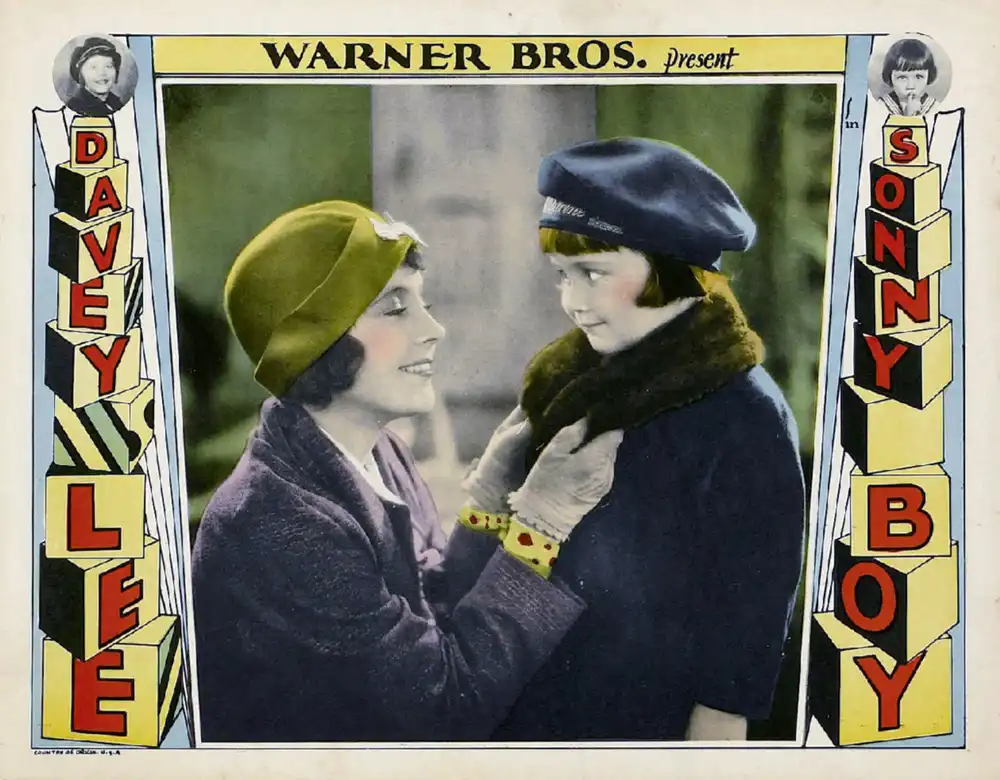
The whole setup feels a bit heavy-handed at first. Gertrude Olmstead plays this mother, Mary, who is just *beside herself* fearing she'll lose her kid, Sonny Boy (Davey Lee), in a divorce. So, she does what any desperate movie mom would do: she just… takes him. Like, right out of the house. No big plan, just pure panic.
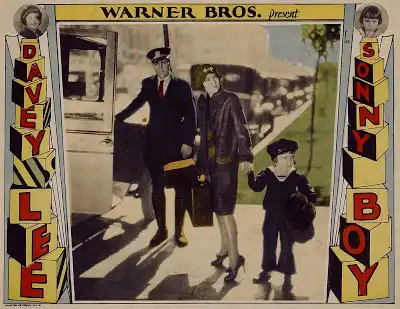
Her sister helps her stash Sonny Boy in her husband's lawyer's apartment. The lawyer, Mr. Van Cleve, played by Edward Everett Horton, is conveniently out of town for a month. Perfect, right? Except, of course, his parents show up out of the blue. 😬
This is where the movie really shifts gears into full-on farce. Mary has to pretend to be Van Cleve's new wife, and Sonny Boy, well, he’s their kid now. The parents are these wonderfully *stuffy* types, and their reactions to the sudden 'family' are pretty good. Horton is doing his usual flustered routine here, and honestly, he's great at it.
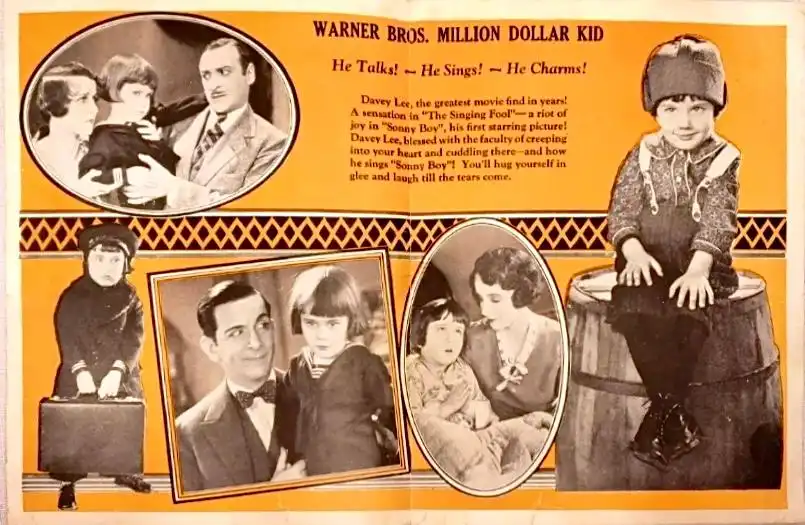
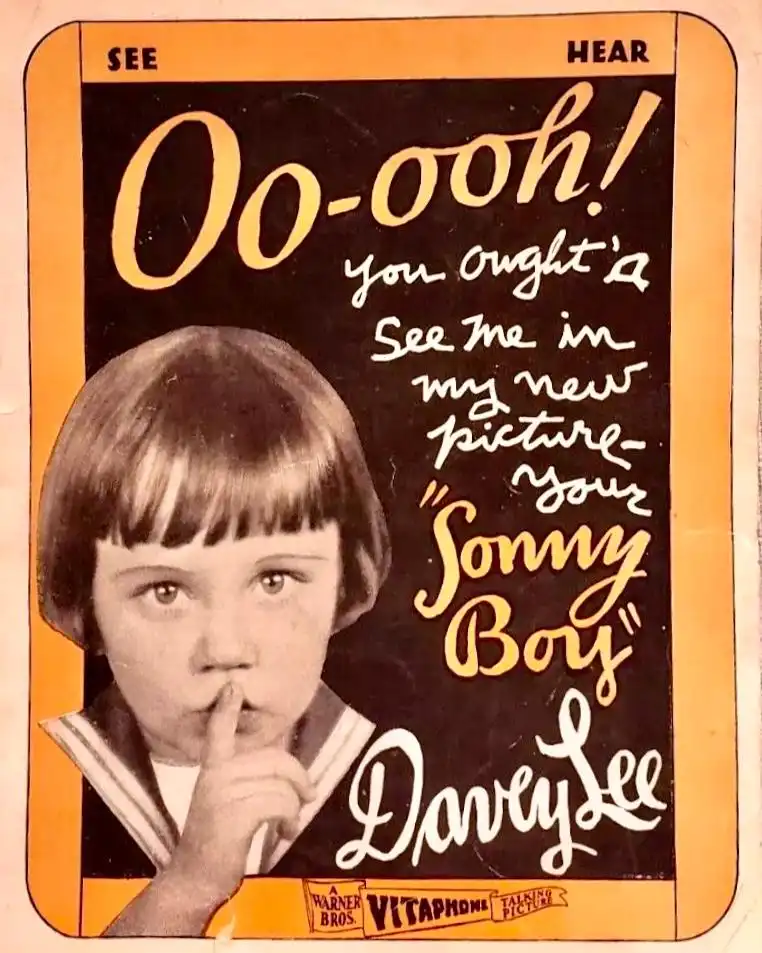
Davey Lee as Sonny Boy, though. Wow. This kid just *owns* the screen. His little face, those huge expressive eyes, they just sell every emotion. You can almost feel the movie trying to convince you this child matters, and honestly, with Lee, it doesn't even have to try that hard. He’s just naturally captivating.
There's a scene where he's supposedly singing, and even without sound, you just *know* he's belting it out. 🎤 You can see it in his posture, the way his mouth moves, the reactions of the adults around him. It’s a strange, wonderful bit of silent film magic. His energy is infectious, even when he's just being a regular kid.
The pacing of the hiding game, where Mary and Sonny Boy are constantly almost discovered by the visiting parents, is classic silent comedy. It goes on for a bit, then another close call. The tension builds in a very *theatrical* way, which makes sense for the era.
Sometimes the title cards feel a little too explanatory, like, 'Yes, we get it, she's sad.' But then a specific shot of Mary’s face, utterly distraught, just cuts through all that. It's those visual beats that really make it. You can see the *awful feeling* she's carrying, the weight of losing her child.
The movie is a bit of a tonal mix-up. You've got this serious custody battle looming, but then it's all hijinks and mistaken identities. It’s not always a smooth transition between the two, which is pretty common for films from this period. It keeps you on your toes, I guess.
One small thing I noticed: the way the parents react to the 'grandson' suddenly appearing. It's a lot of wide-eyed surprise, then immediate doting. It almost feels a little *too* easy for them to accept this sudden grandchild. Just a thought.
And the ending? Well, it ties things up. It’s a happy one, no real surprises there. But it does feel a tiny bit rushed, like they just decided, 'Okay, crisis averted, let's roll credits.' It’s satisfying enough, but don’t expect a grand, emotional climax. More of a gentle fade.
All in all, Sonny Boy isn’t some lost masterpiece, but it’s a charming peek into early Hollywood. It’s got a big heart, mostly thanks to young Davey Lee. Give it a watch if you're curious about silent films or just want to see a kid steal the show. Otherwise, maybe stick to something with dialogue. 😉
IMDb 4.6
1924
Community
Log in to comment.