DbcultAccessing Vault...
Cult Review
Senior Film Conservator
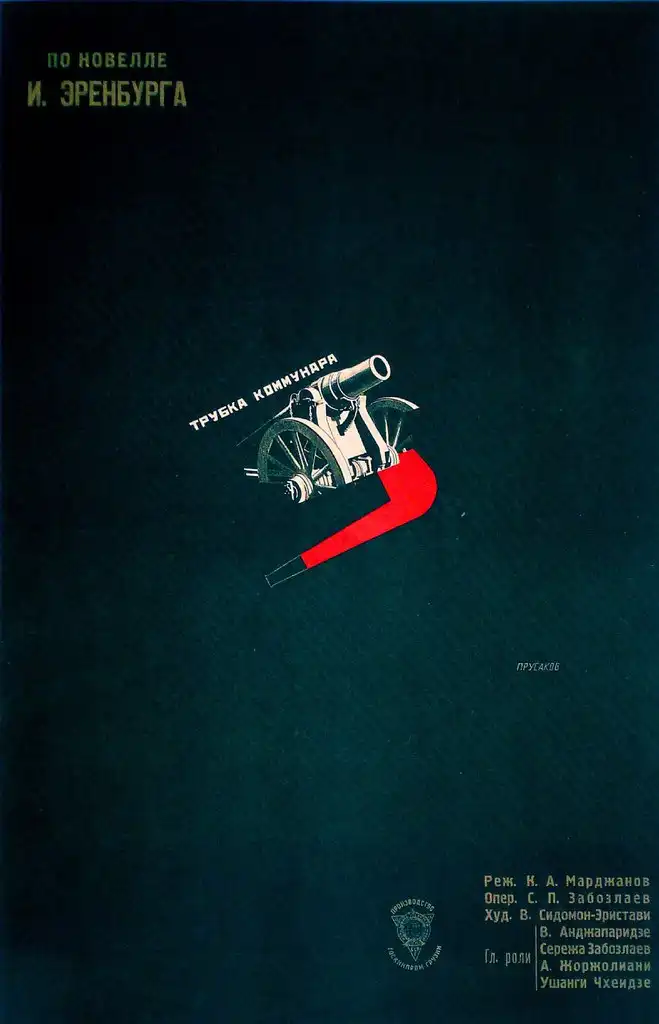
Alright, so look, if you’re not already into old, silent Soviet films about big machines and revolution, then Dva bronevika probably ain't gonna be your new favorite thing. You'll likely find it a bit slow, maybe even a little confusing without the proper historical context. But if you are curious, or just love seeing how movies were made way back when, there’s some real interesting stuff here.
It’s a 1928 film, right? So we’re talking silent, black and white, with those dramatic intertitles doing all the talking. The whole thing feels incredibly raw, like a historical document that just happens to be a movie.
The star, truly, are these armored cars. They’re these hulking, clanky beasts, all metal and rivets. The way they rumble across the screen, it’s almost poetic in its industrial might. You can almost feel the weight of them.
There's this one shot, pretty early on, where a crowd is just scattering, and a lone armored car pushes through. It’s not subtle. The message is clear: this thing means business. And people, well, they just get out of its way. 👉
The actors, folks like Valeri Solovtsov, they’re doing that classic silent film acting. Lots of big gestures, wide eyes, really leaning into the melodrama. It’s charming in its own way, even if it feels a little much by today’s standards.
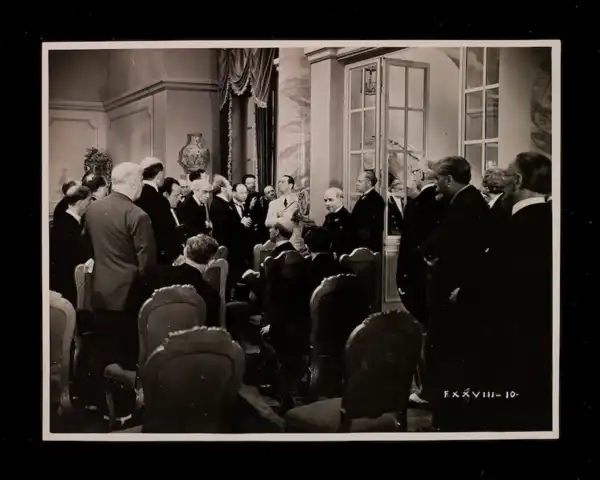
You see a lot of faces here. Not just the main characters, but crowds of people. There's a particular sequence where the camera just holds on a group of workers, their expressions are so earnest, almost like a propaganda poster brought to life. It makes you think about who those people were, you know?
The pacing is… well, it’s 1928 pacing. Things build slowly. There are long takes where not a whole lot happens besides somebody looking very intensely at something off-screen. It asks for patience, this film.
But when the action kicks in, it’s surprisingly effective. Explosions are very stylized, almost like ink blots on the screen, but they still convey chaos. The way the cars move through the streets, sometimes it’s genuinely thrilling. The Light of Happiness, another old one, feels almost gentle compared to this.
What really sticks with me is the sense of scale. Even with limited resources, they manage to make these confrontations feel big. Not Hollywood big, but historically significant big. You’re watching history, kinda.
One weird thing I noticed: the uniforms. So many belts and pouches. Everyone looks like they're carrying half their house on their person. It adds to that authentic, gritty feel, but also makes you wonder about comfort. 😅
There are moments where the film tries to be a bit more subtle, showing the aftermath of a conflict. A shot of a lone boot in the mud, or a flag just barely waving. These little details really hit harder than some of the bigger, more dramatic scenes, I think.
The film is not really about a tight plot. It’s more a collection of powerful images and moments, strung together to tell a larger story about a nation in turmoil. You don’t get deep character arcs here. It’s all about the collective, the struggle.
It’s not for everyone, no. Modern viewers might struggle with the lack of dialogue, the old-school acting, and the deliberate pace. But if you let yourself sink into it, Dva bronevika offers a unique window into a specific time and place. It’s loud in its silence, if that makes sense.
Definitely worth a watch if you’re a history buff, or just fascinated by the early days of cinema and how different it all felt back then. It's a reminder of how much storytelling has changed, and how much, deep down, stays the same.
IMDb —
1920
Community
Log in to comment.