DbcultAccessing Vault...
6.2/10
Senior Film Conservator
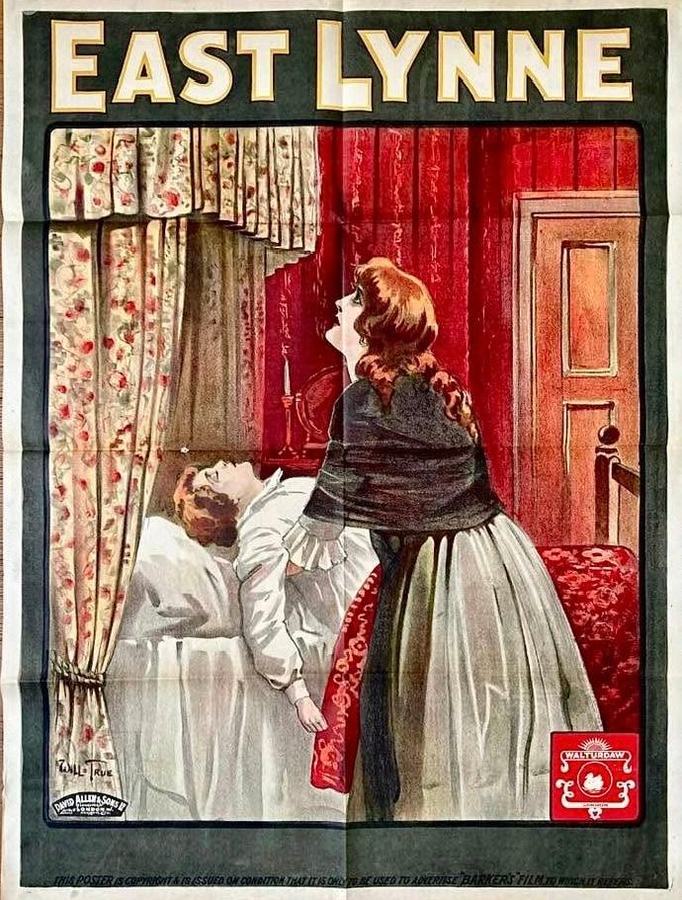
A definitive 6.2/10 rating for a film that redefined the boundaries of cult cinema. East Lynne remains a cornerstone of transgressive art.
In the realm of cinematic masterpieces, East Lynne stands as a testament to the enduring power of tragic love stories. This 1913 film, based on the novel by Mrs. Henry Wood, weaves a complex narrative that delves into the human experience, exploring themes of deception, love, and the unyielding bonds of family. The story revolves around Lady Isabel, an aristocratic woman whose life is forever altered by the scheming Captain Levison, who cunningly plants seeds of doubt regarding her husband's fidelity.
As Lady Isabel navigates the treacherous waters of her marriage, she finds herself at a crossroads, ultimately choosing to leave her husband and children in pursuit of a new life on the continent with Levison. This decision sets in motion a chain of events that will haunt her for the rest of her days. The film's portrayal of Lady Isabel's journey is both poignant and powerful, offering a glimpse into the inner turmoil of a woman torn between her desire for love and her sense of duty to her family.
The cinematography in East Lynne is noteworthy, with its use of dark, muted tones that reflect the melancholic mood of the narrative. The film's pacing is well-balanced, allowing the audience to absorb the emotional depth of each scene. The performances of the cast, particularly Rachel de Solla as Lady Isabel, bring a level of authenticity to the story, making the characters' struggles and triumphs feel palpably real.
In comparison to other films of the era, such as Glacier National Park and From the Manger to the Cross, East Lynne stands out for its complex, character-driven narrative. The film's exploration of themes such as love, loss, and redemption is both haunting and beautiful, leaving a lasting impression on the viewer. The tragic ending, in which Lady Isabel is unable to comfort her dying son and ultimately succumbs to her own grief, is a heart-wrenching reminder of the devastating consequences of her choices.
The historical context in which East Lynne was produced is also worthy of note. The early 20th century was a time of great social change, with the women's suffrage movement gaining momentum and the traditional roles of women in society being challenged. The film's portrayal of Lady Isabel, a strong-willed and independent woman, reflects this shift, offering a nuanced exploration of the complexities of female experience during this period.
In conclusion, East Lynne is a masterpiece of early cinema, a film that continues to captivate audiences with its timeless story of love, loss, and deception. With its powerful performances, haunting cinematography, and thought-provoking themes, this film is a must-see for anyone interested in the art of storytelling. As a work of cinematic art, East Lynne remains an enduring testament to the power of film to move, to inspire, and to haunt us long after the credits have rolled.
IMDb 3.8
1930
Community
Log in to comment.