DbcultAccessing Vault...
7.7/10
Senior Film Conservator
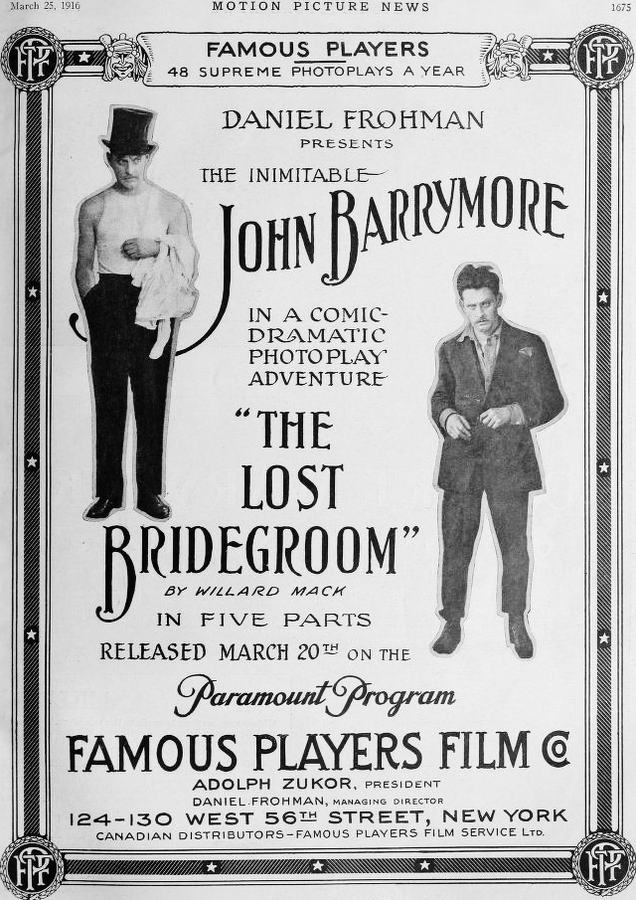
A definitive 7.7/10 rating for a film that redefined the boundaries of cult cinema. The Lost Bridegroom remains a cornerstone of transgressive art.
In the annals of early cinema, few narrative devices held as much captivating power as the sudden onset of amnesia. It is a trope that allows for profound psychological exploration, a stripping away of identity that leaves a character vulnerable, a tabula rasa upon which new destinies can be scrawled, often by nefarious hands. Such is the compelling premise of The Lost Bridegroom, a silent film from 1917 that delves into the unsettling predicament of a man whose impending nuptials are tragically derailed by a cruel twist of fate and a subsequent descent into memory loss. This particular feature, penned by the prolific Willard Mack, distinguishes itself not merely by its central conceit but by the intricate layers of dramatic irony and moral quandary it meticulously constructs.
The narrative thrust of The Lost Bridegroom is predicated on a moment of brutal misfortune. Our protagonist, whose identity is as clear as a bell before the fateful incident, suffers a severe blow to the head. This violent concussion does more than just inflict physical pain; it shatters his cognitive landscape, leaving him adrift in a fog of aphasia. The man, once a prospective husband, a man with a future mapped out alongside his beloved, is now a stranger to himself and to the world. This state of profound vulnerability, a void where memories once resided, becomes the perfect canvas for exploitation. It is a chilling reminder of how easily one's very essence can be hijacked when the anchors of self-recognition are severed.
What follows is a narrative steeped in a particularly bitter brand of dramatic irony. The amnesiac is discovered and, rather than being aided, is insidiously coerced into participating in a criminal enterprise. The sheer audacity of the plot is revealed when the target of this planned robbery turns out to be the home of his own fiancée. Imagine the horror, the profound sense of betrayal, not just for the victim but for the perpetrator, who, if only his memory served, would be recoiling in anguish at his own actions. This isn't merely a crime; it's a profound violation of self and love, orchestrated by external forces, making the protagonist both victim and unwitting villain. The film masterfully builds tension around this impending collision of past and present, love and larceny, as the audience watches, helpless, anticipating the devastating reveal.
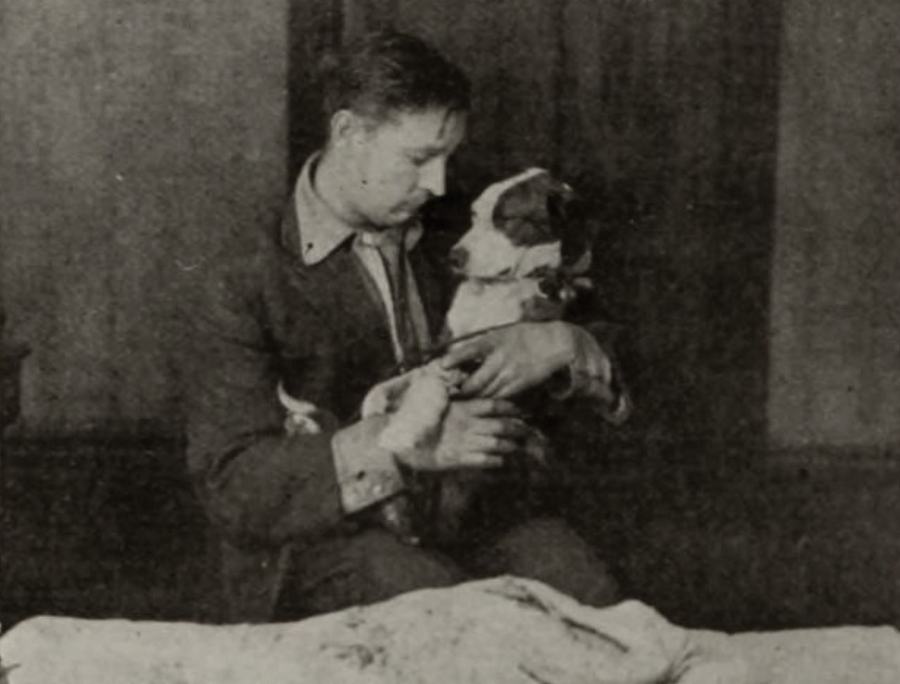
In the silent era, the burden of conveying complex emotions and character arcs rested squarely on the shoulders of the actors' physicality and facial expressions. John T. Dillon, in the titular role of the lost bridegroom, delivers a performance that is both poignant and unsettling. His portrayal of a man grappling with a shattered mind is remarkable, oscillating between confusion, a nascent sense of unease, and the forced determination of a coerced pawn. Dillon's eyes, often wide with a bewildered innocence, effectively communicate the internal struggle of a man who knows he is doing wrong but cannot recall why it feels so fundamentally abhorrent. The subtle tremors in his hands, the hesitant gait, all contribute to a compelling depiction of a mind unmoored.
Opposite him, Ida Darling as the fiancée, embodies the portrait of unsuspecting love and eventual heartbreak. Her initial joy, her anticipation of a shared future, forms a stark and painful contrast to the growing dread that permeates the film. Darling's expressions of worry, confusion, and ultimately, despair, are powerfully rendered, creating an empathetic anchor for the audience. The profound tragedy of her situation – loving a man who is unwittingly poised to betray her – is conveyed with a raw emotional honesty that transcends the limitations of silent storytelling.
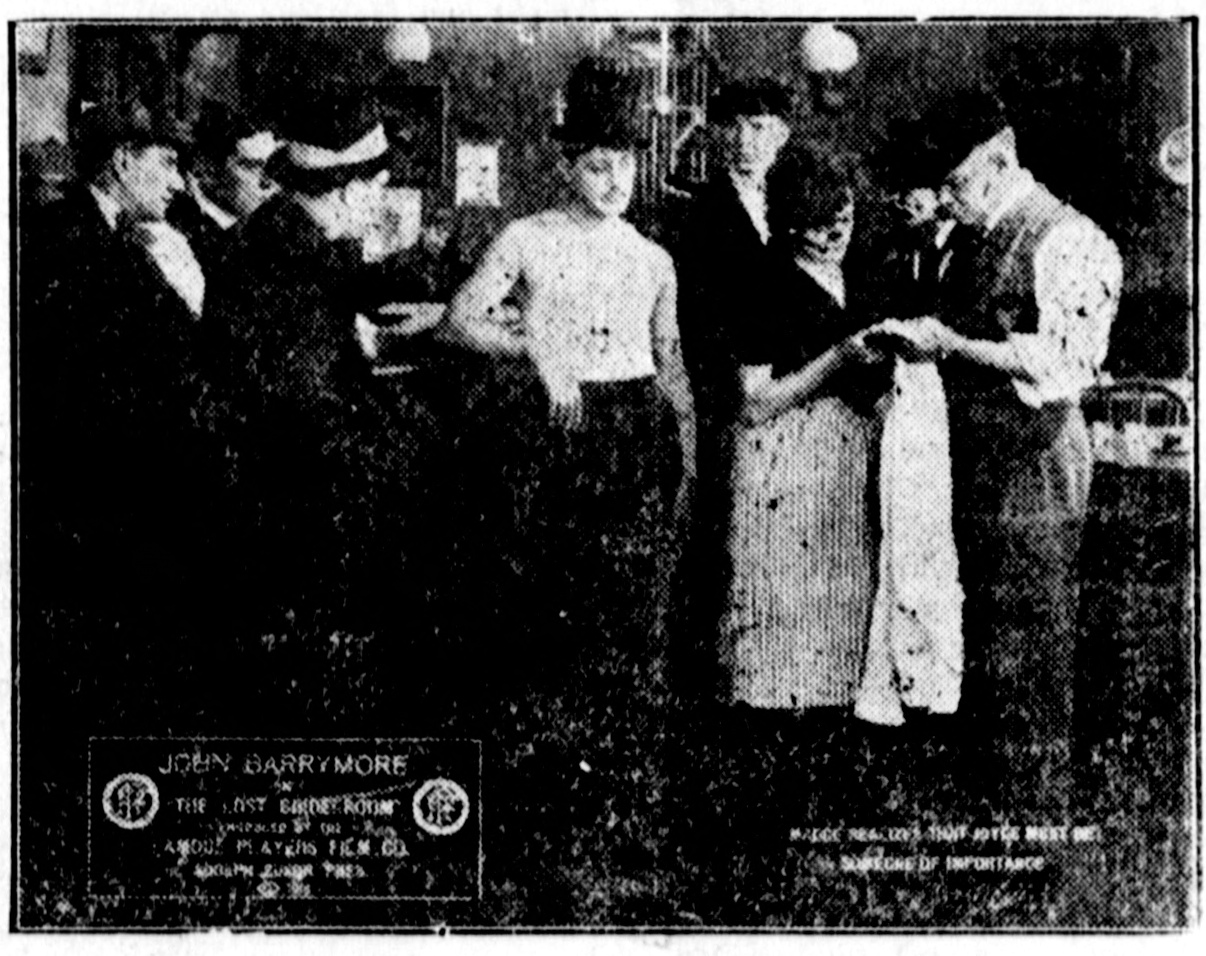
The brilliance of The Lost Bridegroom owes much to the intricate plotting and character development by Willard Mack. Mack, a prolific writer for both stage and screen, demonstrates a keen understanding of suspense and the human psyche. He doesn't merely present a plot; he constructs a moral maze, forcing the audience to confront uncomfortable questions about identity, culpability, and the insidious nature of manipulation. The screenplay carefully builds the circumstances leading to the amnesia, ensuring that the viewer understands the protagonist's pre-amnesia life, thereby amplifying the tragedy of his current predicament.
Mack's script is a masterclass in dramatic irony, a device he employs with devastating effect. We, the audience, are privy to the full scope of the protagonist's impending disaster, a knowledge that is denied to him and his fiancée. This creates a pervasive sense of dread, a ticking clock that heightens the emotional impact of every scene. The film avoids simplistic good-versus-evil dichotomies, instead exploring the grey areas where victims can be made into perpetrators through circumstance and coercion. This complexity sets it apart from more straightforward melodramas of the era. One might draw a thematic parallel to films like The Impostor, which similarly explores narratives of mistaken identity and deception, though The Lost Bridegroom adds the unique layer of self-inflicted (albeit unwitting) harm, elevating its tragic scope. The way Mack weaves the threads of memory, love, and crime into a cohesive, compelling narrative underscores his skill as a storyteller.
Beyond the compelling performances and sharp writing, The Lost Bridegroom is a fascinating artifact of silent film aesthetics. The visual storytelling, characteristic of the era, relies heavily on strong compositions, evocative lighting, and the judicious use of intertitles to bridge narrative gaps and convey dialogue. The film's direction, while uncredited in some records, demonstrates a clear understanding of how to build suspense visually. Close-ups on the actors' faces highlight their internal turmoil, while wider shots establish the spatial dynamics of the unfolding drama, particularly within the fiancée's home during the tense robbery sequence.
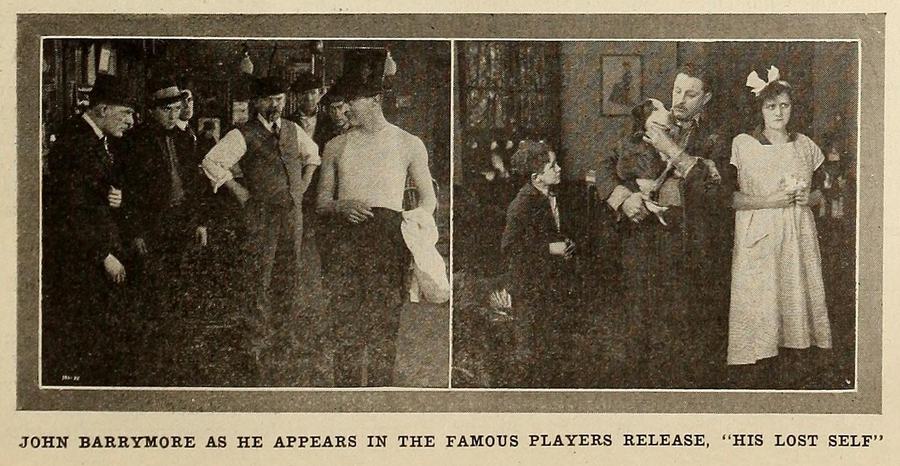
Thematic resonance is abundant in this feature. At its core, it is a profound meditation on identity. What defines us when our memories are gone? Are we merely the sum of our experiences, or is there an immutable core that persists even through amnesia? The film suggests the latter, as the protagonist's inherent goodness and moral compass seem to subtly guide him, even when his conscious mind is a blank. It also explores the theme of fate versus free will; is the bridegroom a victim of cruel chance, or are there choices, however obscured by his condition, that still guide his actions? These philosophical underpinnings elevate the film beyond a simple crime drama, positioning it as a thoughtful exploration of the human condition.
Moreover, the film touches upon the fragility of societal structures and the ease with which individuals can be exploited, particularly those rendered vulnerable. The antagonists are not just criminals; they are opportunists who prey on weakness, a commentary that remains disturbingly relevant. In its exploration of crime and its consequences, one might find echoes of contemporary films like The Boss or Notorious Gallagher; or, His Great Triumph, which delved into the intricacies of the underworld and the moral compromises inherent in such narratives. However, The Lost Bridegroom adds a layer of psychological torment uniquely tied to the protagonist's amnesia, making his journey one of unparalleled pathos.
While not as widely remembered as some of the monumental epics or slapstick comedies of the silent era, The Lost Bridegroom holds a significant place for its intelligent narrative and compelling character study. It represents a period when filmmakers were actively experimenting with complex psychological plots, pushing beyond simple morality plays to explore the darker, more ambiguous facets of human experience. The film's ability to maintain high tension and emotional engagement without spoken dialogue is a testament to the artistry of its creators and performers.
For contemporary audiences, revisiting The Lost Bridegroom offers a fascinating glimpse into the storytelling sensibilities of the early 20th century. It reminds us that fundamental human dramas—love, betrayal, identity, and the struggle against external forces—are timeless, transcending technological limitations. The film's exploration of memory's role in defining who we are continues to resonate, making it a piece that is as thought-provoking today as it was over a century ago. It's a prime example of how silent cinema, often underestimated, could deliver narratives of profound depth and emotional complexity, proving that a story well told needs no words to captivate and move its audience.
Ultimately, The Lost Bridegroom is more than just a historical curiosity; it is a gripping psychological drama that uses a classic trope to explore profound themes. Its intricate plot, the compelling performances from its dedicated cast, and Willard Mack's sharp writing combine to create a cinematic experience that remains impactful. It stands as a testament to the power of early filmmaking, a reminder that compelling narratives and deep emotional resonance were present in cinema long before the advent of sound. For those seeking to delve into the rich tapestry of silent film, this feature offers a rewarding and thought-provoking journey into the harrowing landscape of a lost mind and a love imperiled by the cruel hand of fate.
IMDb 5
1922
Community
Log in to comment.