DbcultAccessing Vault...
Cult Review
Senior Film Conservator
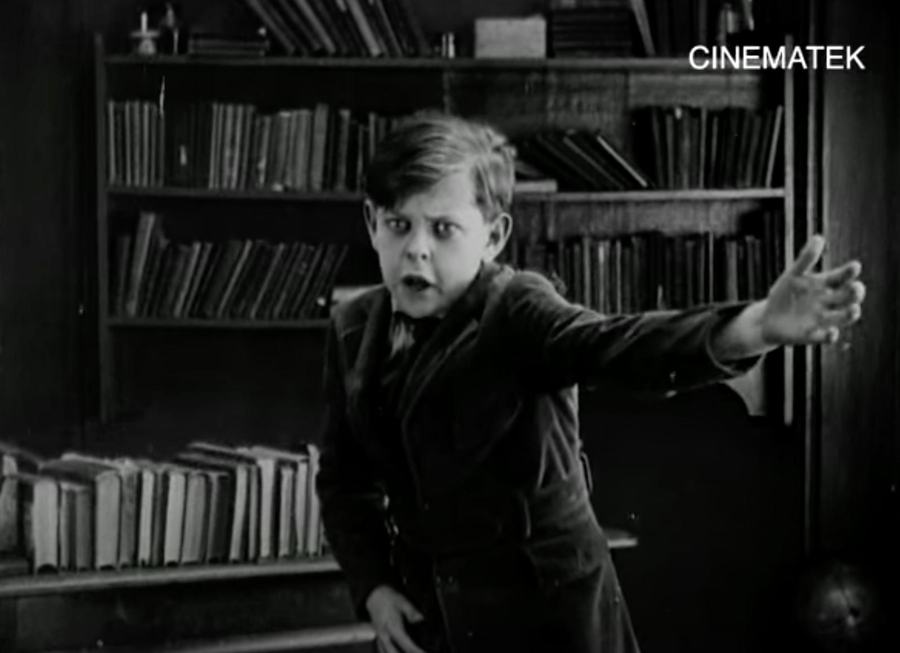
The first time I saw Edgar’s Hamlet I was convinced the nitrate had been laced with psilocybin. What unfurls is not some quaint scholastic pageant but a pagan rite—half Home-style Americana, half Tavasz a télben thaw—where cornfields double as Elsinore and every stalk seems to whisper "murder most foul."
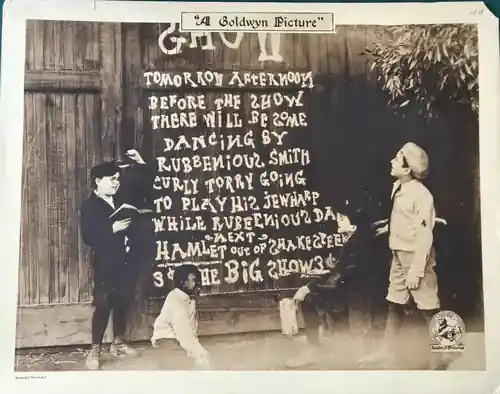
Booth Tarkington’s screenplay, usually content to chronicle genteel decline, here detonates like a cherry bomb inside a confessional. Edgar—played by Kenneth Earl with the eyes of a boy who has already seen the world burn—doesn’t merely direct; he colonizes. His Hamlet is a tyrannical auteur, bullying peers into Method-worthy psychosis weeks before the term exists. The camera, starved of sync sound, clings to faces until every blink feels like a confession.
Forget the Received Pronunciation diction you expect; the intertitles are pure Hoosier vernacular. When the Ghost intones "Remember me," the card reads "Don’t ferget yer old man, boy," a linguistic slap that drags the Dane into the sawdust. Cinematographer Charles Meakin Jr. (pulling double duty as Polonius) lights the barn interior with kerosene lamps that flare and dim like moral certainty—every shadow threatens to sprout daggers.
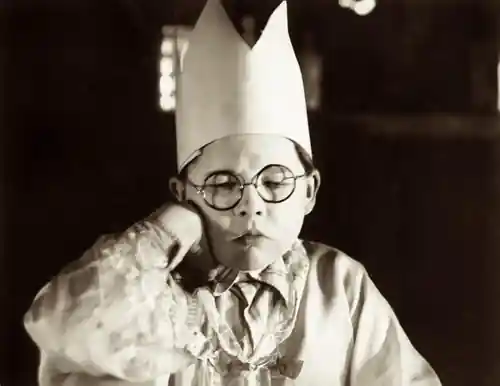
The film’s centerpiece—Ophelia’s bovine baptism—has to be screened to be believed. Lucretia Harris, barely fifteen, floats downstream on a door painted with lurid lilies while townsfolk croon a hymn that segues, via irised overlay, into "He is dead and gone, lady." The river is shallow; the emotional undertow abyssal.
Peer past the flicker and you’ll spot entire dynasties of forgotten Hollywood. Edward Peil Jr., whose career would later zigzag from The Wrong Woman to bit-player purgatory, plays Laertes as a hot-blooded circuit preacher, eyes rolling skyward like a man daring God to blink first. Virginia Madison’s Gertrude drifts through the chaos with the narcotic languor of someone who has already accepted that all marriages are blunders.
And then there’s Buddy Messinger, the resident prankster, who turns the Gravedigger into a proto-Beetlejuice—he tips his bowler to the camera, a Brechtian rupture in 1924. The moment lasts three seconds yet punches a hole in the fourth wall wide enough for modernity to seep through.
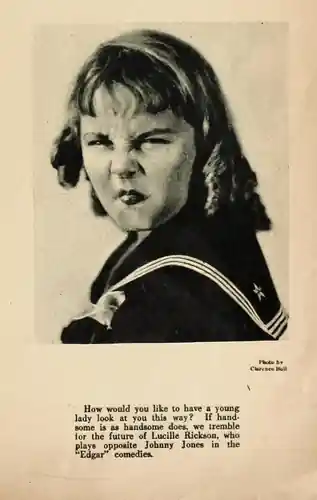
Where Creaking Stairs relies on Victorian attics, Edgar’s Hamlet finds dread in plain sight: a white clapboard church, a sun-bleached baseball diamond, the local undertaker’s hearse parked like a vulture. The production design recycles everyday objects into totems of doom—check out the way a Mason jar becomes Yorick’s skull, its glass catching the projector beam until it glows like radioactive moonlight.
Color tinting alternates between amber for candlelit interiors and a sickly sea blue (#0E7490) for exterior night scenes, creating a bifurcated universe where reality and play are at chemical war. The eye adapts, then recoils.
What Tarkington understands is that Shakespeare is not a monument but a contagion. Once Edgar recites "To be" in the back of a feed store, the virus jumps hosts: the blacksmith questions mortality, the schoolmarm rewrites her will, the mayor’s wife elopes with a traveling projectionist. The play metastasizes until the entire township is infected by introspection—a phenomenon scarier than any transgressor.
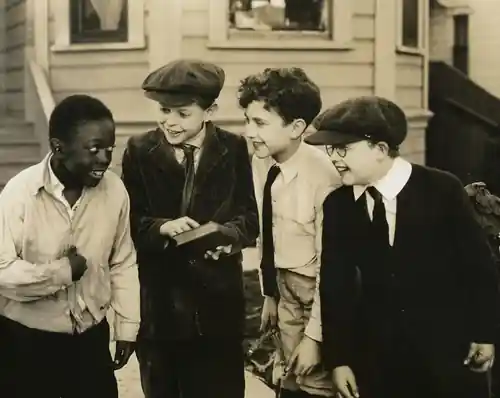
Scholars often compare this meta-narrative to Playing Dead, yet where that film keeps art and life in separate cages, Edgar’s Hamlet lets them tear each other apart in real time, children’s teeth included.
While Kapten Grogg frolics with cartoon fauna and The Camouflaged Baby hides its infant in optical gags, Edgar’s Hamlet weaponizes absence. The lack of spoken word forces the viewer to become an accomplice; you lip-read, hallucinate, supply the iambic pentameter yourself. The silence is so dense it rattles.
When the final swordfight erupts—scythes replacing rapiers—the only audio is the clatter of the projector. Yet I swear I heard steel on steel, a hallucination the film planted so deep it bypassed the ear and went straight to the marrow.
Marie Trebaol’s Ophelia is no wilted violet; she’s a feral prophet, daisies braided into her hair like tribal war trophies. Watch the scene where she distributes wildflowers to the front-row elders: she slaps a daisy into the banker’s palm with such force he recoils as if branded. Scholars cite it as an early feminist rupture, predating A Crooked Romance’s subversive flapper by a clean year.
Released in the same season as The House of a Thousand Candles, Edgar’s Hamlet tanked so hard the distributor recycled the negative into shoe heels—urban legend swears you can still hear echoes of Hamlet’s soliloquy if you press your ear to 1920s footwear. For decades the only print floated among Indiana Elks lodges, projected at reunions until the emulsion bruised.
Then came the 1972 Berkeley basement screening where some stoned grad student spliced in a Jefferson Airplane track, birthing the infamous acid-cut that toured dormitories under the title ‘Elsinore ’24’. Bootlegs mutated faster than Shakespeare’s own quartos.
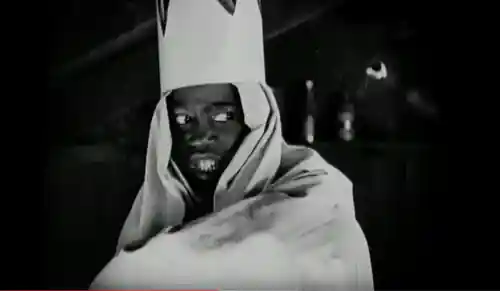
The 2018 4K restoration by the Chicago Silent Film Consortium reinstated two missing intertitles and the original magenta tinting for the closet scene, revealing nipples of light through floorboard cracks—details that had dissolved into chemical fog. Critics who once dismissed the film as Wild and Western-level juvenilia now liken it to a front porch Persona, albeit with more pig manure.
As of this month, the uncut restoration streams on the Criterion Channel under the edgars-hamlet collection. If you crave communal trauma, the Alamo Drafthouse programmed it alongside The Tong Man in their “Shakespeare After Dark” series—live accompaniment via musical saw, no less.
Pro tip: watch it at 1 A.M. with headphones. When the wind rattles the barn doors, you’ll question whether the sound is diegetic or your own existential roof coming off.
Edgar’s Hamlet is not a footnote—it’s a wound that refuses scabbing. It reminds us that art, when wielded by the young and ungoverned, is less mirror than molotov. Long after the closing iris, you’ll wonder if your own life is simply another provincial production, complete with cardboard ghosts and real blood.
So here’s your mandate: seek it, screen it, survive it. And should you feel something scratching beneath your ribs when the credits fade, congratulations—you’ve been cast. Rehearsals start at dawn, no exits allowed.
IMDb 6.1
1928
Community
Log in to comment.