Summary
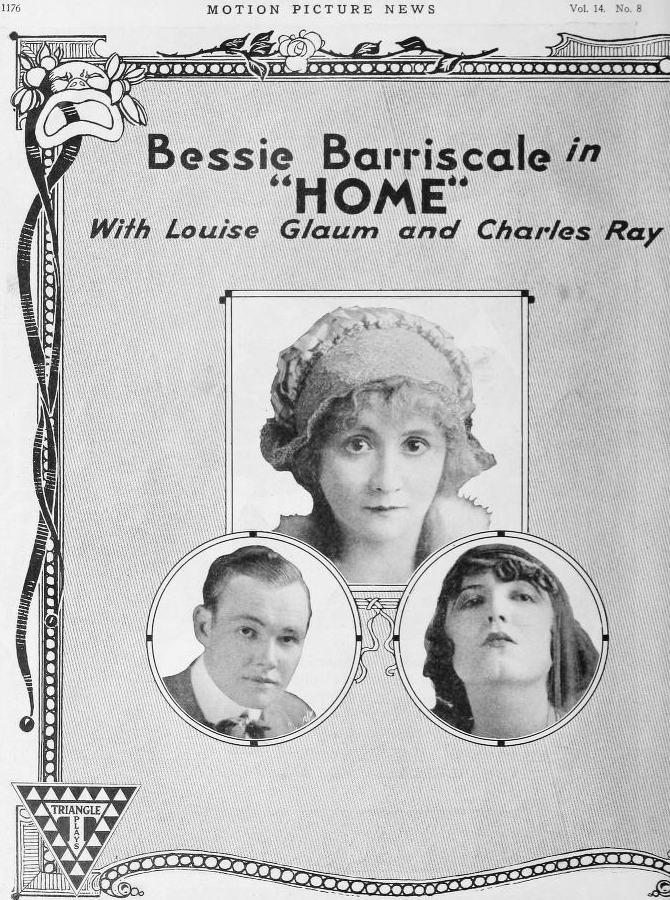
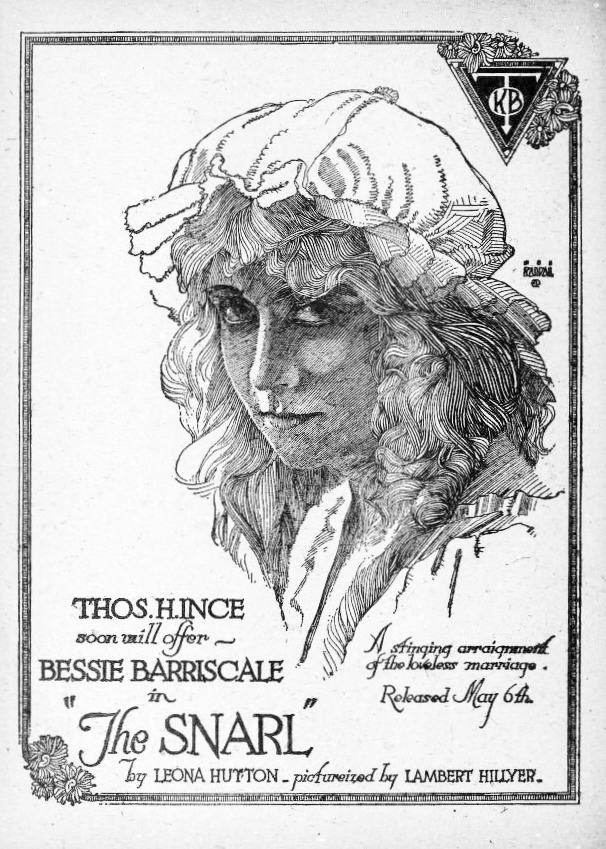
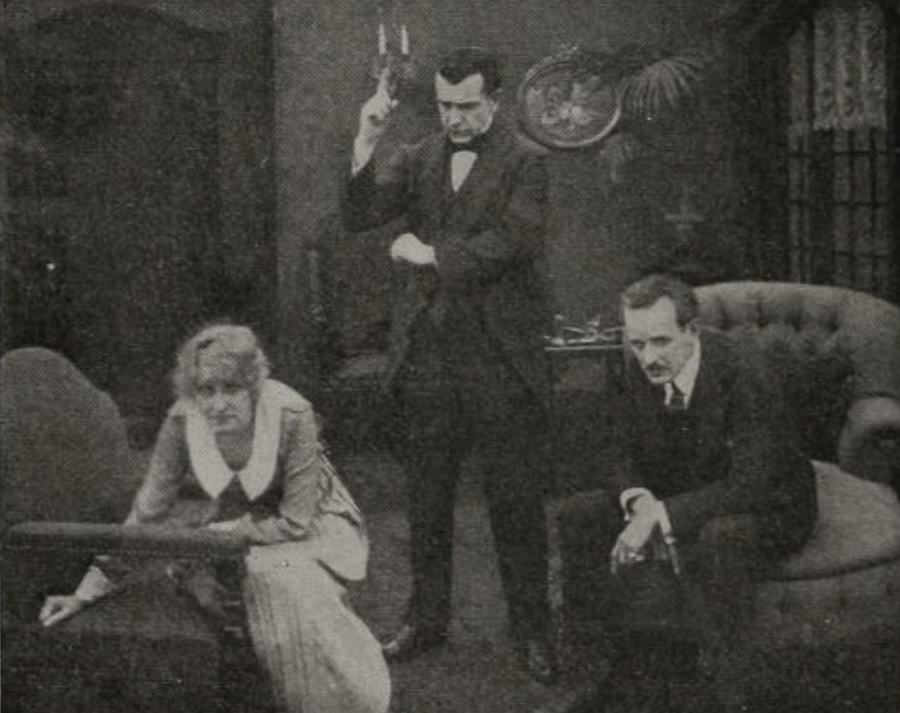
In this 1916 cinematic exploration of parvenu psychology, Bessie Wheaton returns to her ancestral hearth following an extensive European sojourn, only to find her domestic sanctuary colonized by the grotesque affectations of the nouveau-riche. The Wheaton patriarch has devolved into a sybaritic idler, tethered to the vapid comforts of his club, while her mother has adopted a curated snobbery that borders on the pathological. Her sister, consumed by the pursuit of titular prestige, maneuvers for a royal alliance with the desperation of a drowning socialite. Recognizing the futility of earnest persuasion, Bessie orchestrates a subversive performance of mimesis; she adopts their vices with exaggerated fervor, transforming herself into a mirror of their moral decay. By feigning indolence and a ruthless obsession with status, she even disrupts her sister’s matrimonial schemes by seducing the vacuous Count d'Orr, simultaneously alienating her sincere paramour, Allan Shelby. This calculated burlesque culminates in a confrontational epiphany where Bessie reveals her histrionics as a didactic reflection of their own absurdity. The narrative concludes with a flight from the domestic theater, followed by a reconciliation with Allan, as the Wheaton family is forced to confront the hollow artifice of their aristocratic pretensions.
Synopsis
Bessie Wheaton returns from Europe to find that her nouveau-riche family has adopted and magnified the worst characteristics of the upper class. Her father spends all of his time at the club, her mother cultivates snobbishness, and her sister thinks only of marrying into royalty. To shake them out of their aristocratic poses, Bessie decides to reflect all of their faults, becoming as lazy as her father and as status conscious as her mother. She even rejects her own sweetheart, Allan Shelby, to lure Count d'Orr away from her sister. Finally, her family members confront her and she angrily tells them that she was only mirroring their behavior. She then runs away, but Allan, with whom she quickly reconciles, brings her back, just as her family acknowledges their recent burlesque of the upper crust.